





Vintage Office Organizer
These vintage office organizers are practical pieces of history, bringing character and order to a desk with period charm and traditional materials.
Vintage Office Organizer
A vintage office organizer covers a range of desktop and tabletop accessories designed to keep correspondence and stationery in order. The selection spans the nineteenth century through to the Art Deco period of nineteen thirty.
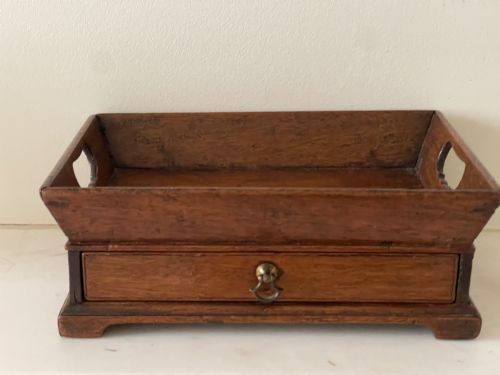
Common forms on this page include pigeon holes, stationery cabinets, desk tidies, and filing cabinets. Materials vary from dark oak and mahogany to kingwood, brass, and marble.
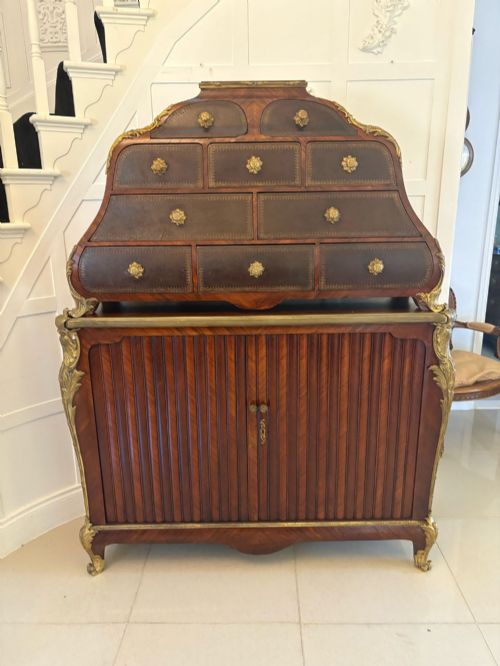
Victorian and Edwardian pieces sit alongside industrial units and French Chateau styles. Buyers will encounter items ranging from simple wooden pigeon holes to elaborate ormolu-mounted cartonnier cabinets.
How they were made
Construction relies heavily on traditional hardwoods such as mahogany, oak, and pine, often joined with care for daily desktop use. Finer examples utilise exotic timbers like kingwood and rosewood.
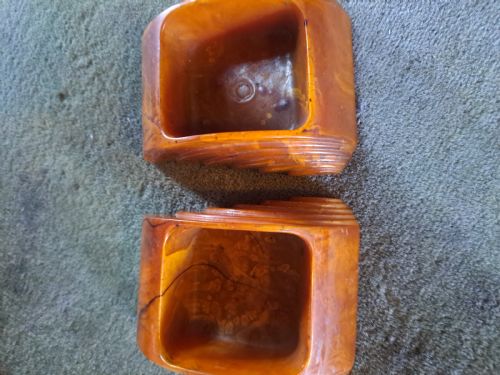
Metal components such as brass, bronze, and ormolu mounts provide structural reinforcement and decorative detail. Bakelite and catalin appear in later twentieth-century items, reflecting changing manufacturing methods.
Vintage Office Organizer Retail Price Guide 2026
Typical asking prices for vintage office organizer among the pieces listed under this phrase on Sellingantiques today, from the lower quarter to the upper quarter. They describe what is for sale here now, not the wider market.
Listings feature items spanning the nineteenth century, the Victorian and Edwardian eras, through to nineteen thirty Art Deco pieces.
What varies in quality
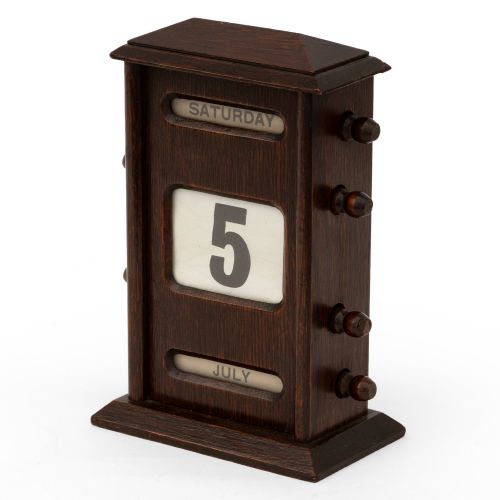
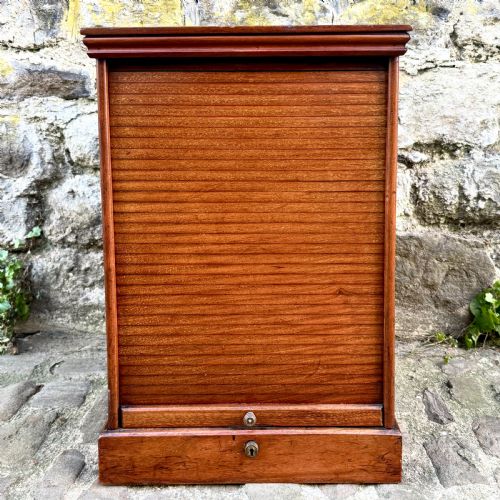
Quality separates simple utilitarian storage from fine cabinet-making through the choice of timber and the precision of the joinery. Superior pieces incorporate thoughtful mechanisms like tambour fronts or integrated perpetual calendars.
Decorative embellishments set different tiers apart, ranging from plain pine pigeon holes to cabinets featuring elaborate ormolu mounts and marble bases. The presence of specialist hardware alters the character and finish of each piece.
Amberg
The Vintage Office Organizer Glossary
- Cartonnier
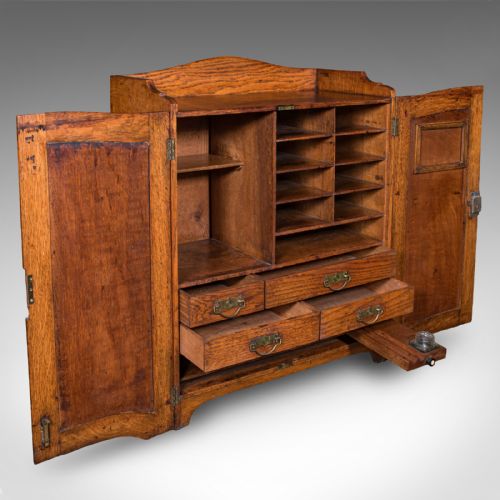
- A freestanding or desk-top cabinet designed for holding papers and documents, often featuring multiple vertical compartments or drawers. These French pieces frequently incorporate decorative mounts.
- Pigeon holes
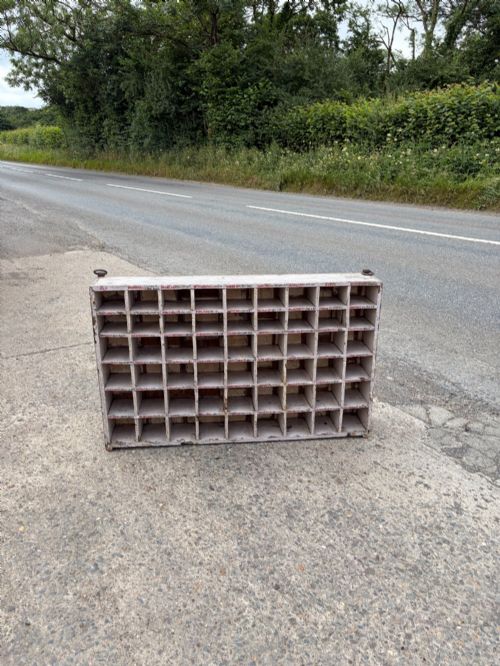
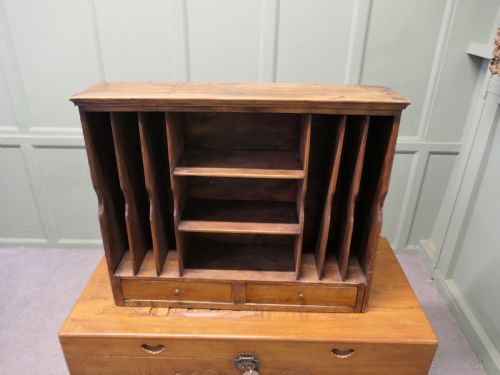
- Open compartments arranged in grids to sort letters, documents, and stationery on a desk or wall. They appear in simple pine or substantial oak.
- Ormolu
- Gilt bronze ornamentation applied to furniture and desktop accessories, popular in nineteenth-century French cabinet-making. It adds a bright metallic contrast to dark woods like kingwood.
- Tambour front
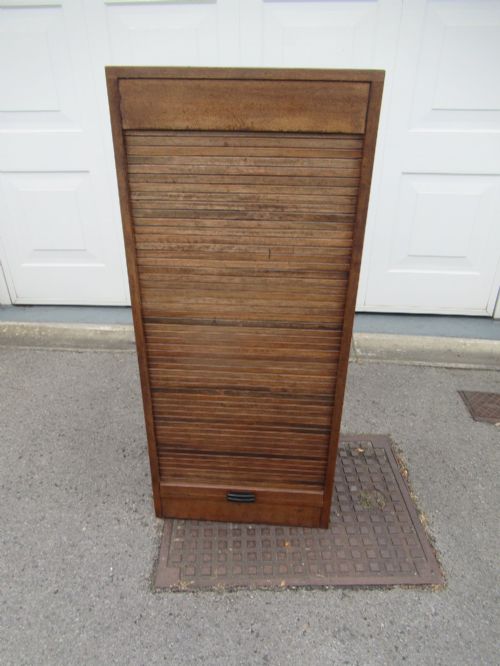
- A sliding door made of narrow vertical strips of wood glued to a flexible backing canvas, allowing it to curve around corners. This mechanism conceals interior filing compartments.
- Desk tidy
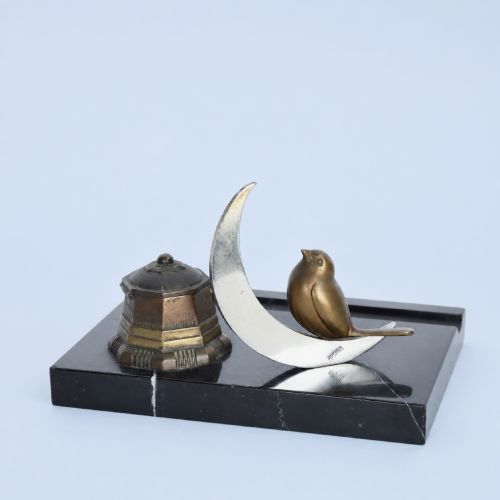
- A compact accessory designed to corral small items such as stamps, pens, and paperclips in one place. Examples include marble and bronze constructions from the Art Deco era.
Vintage Office Organizer: Frequently Asked Questions
What is a cartonnier cabinet?
A cartonnier is a structured cabinet built specifically for sorting and storing papers, letters, and documents. These pieces originated in France and often feature ornamental mounts and multiple internal tiers.
They serve as a statement desktop or standalone storage item, bringing traditional organisation into a modern study.
How do I use pigeon holes today?
Pigeon holes offer practical vertical storage for sorting mail, stationery, notebooks, and everyday paperwork. They sit neatly on a desktop or mount on a wall to keep loose items visible and accessible.
Their open structure helps declutter modern workspaces while displaying vintage wooden craftsmanship.
What is the difference between Victorian and Art Deco organizers?
Victorian organizers rely on rich woods like mahogany and oak, often featuring carved details, brass fixtures, and traditional pigeon hole layouts. They project a formal, heavy aesthetic suited to classic studies.
Art Deco organizers from the nineteen thirties introduce materials like black marble, bronze, and early plastics such as bakelite. Their lines are cleaner and more geometric, reflecting modern design shifts of the era.
Are these organizers practical for daily use?
Most of these pieces were built for active office environments, making them sturdy enough for contemporary correspondence and storage tasks. Drawers, tambour fronts, and calendar mechanisms add genuine utility to a modern desk.
Care should be taken with delicate antique finishes and historical materials when handling them daily.