
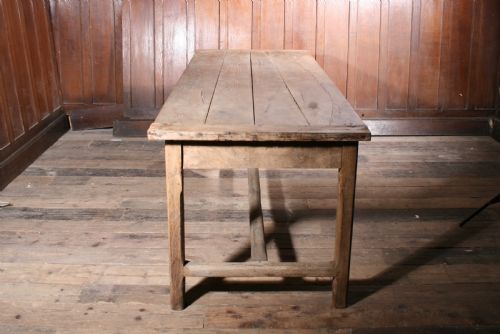
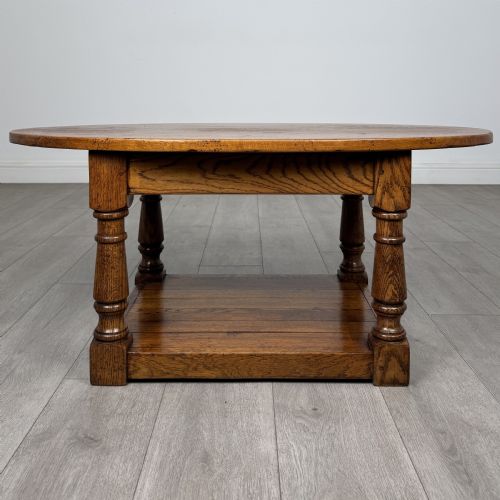
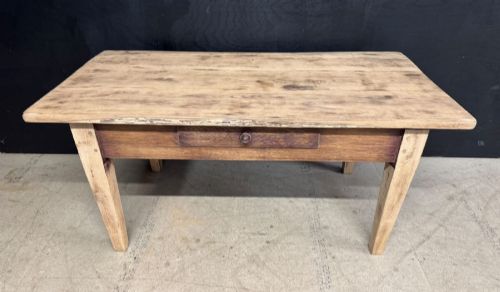
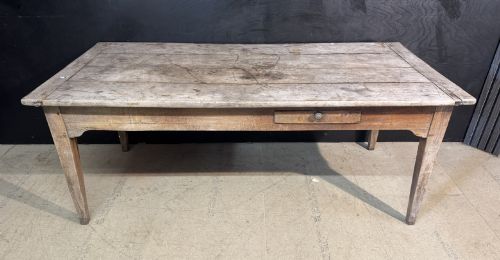
Vintage Oak Wooden Table
A vintage oak wooden table brings solid grain and sturdy joints into a room, serving as a dependable surface for daily dining or writing.
Vintage Oak Wooden Table
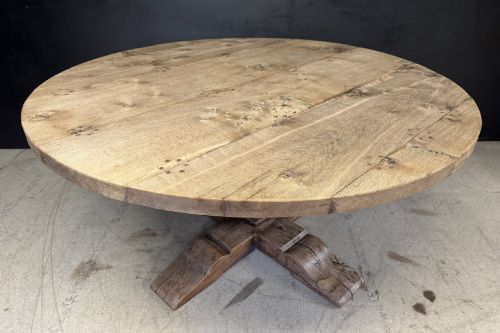
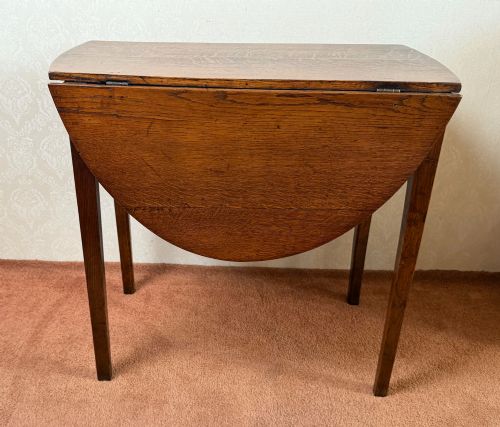
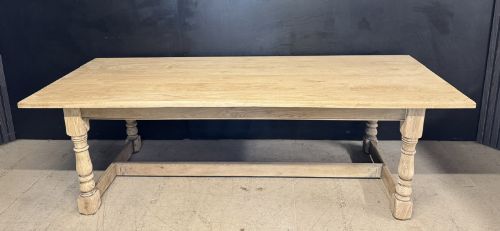
A vintage oak wooden table encompasses forms ranging from rustic farmhouse dining boards and refectory styles to small side tables, nests, and tilt-top pedestal pieces. Buyers exploring this category frequently encounter Edwardian and nineteenth-century examples built for practical domestic use.
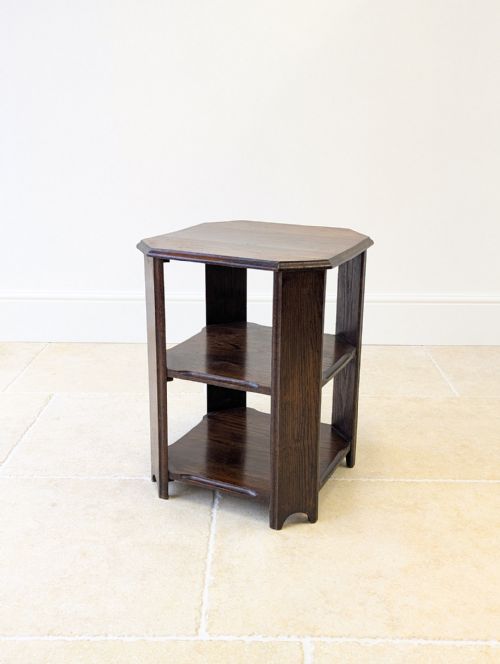
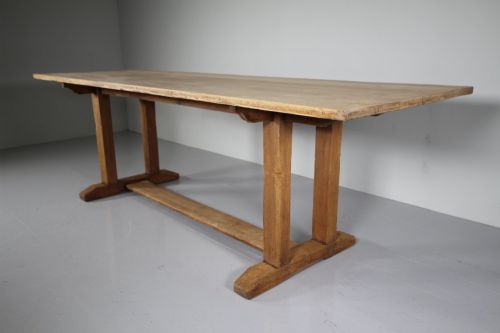
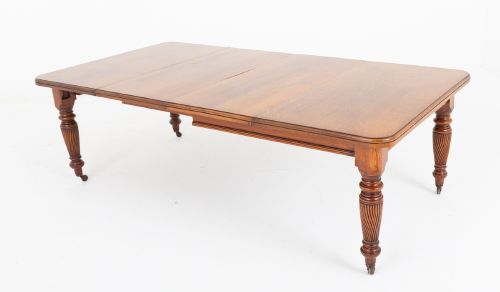
The selection includes extendable draw-leaf variants, heavy trestle tables with matching benches, and octagonal centre tables. Makers often utilised secondary timbers such as beech, elm, or ash alongside primary solid oak.
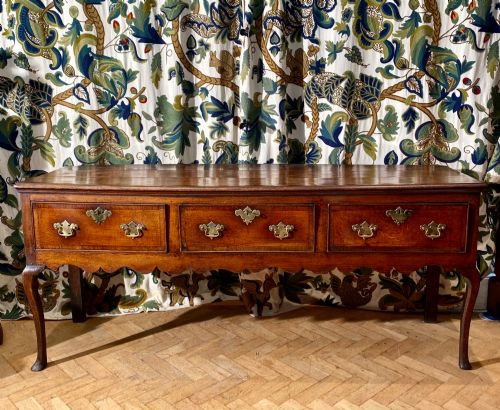
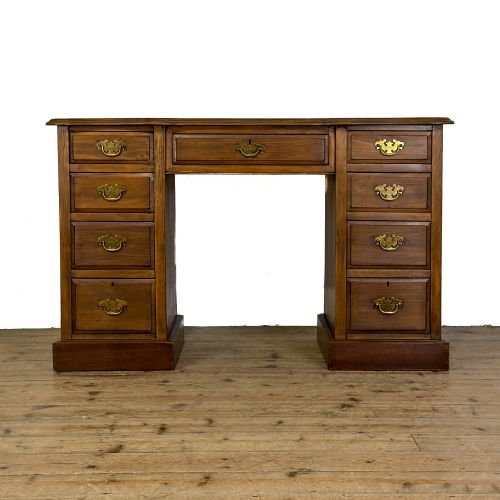
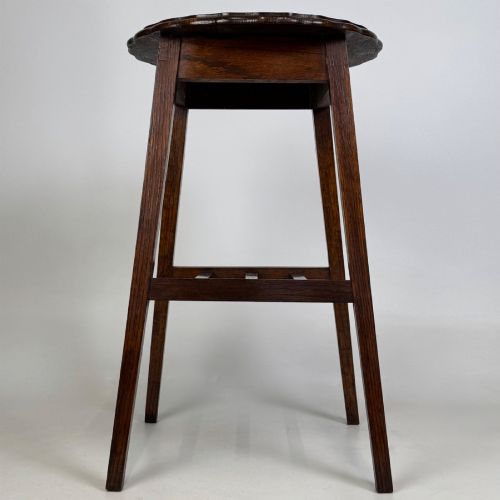
Beyond standard dining surfaces, the listings extend to occasional coffee tables, serving tables, and compact cricket tables. Each piece reflects the functional requirements of Victorian, Edwardian, and early twentieth-century interiors.
Materials and construction methods
Construction relies heavily on solid oak, frequently paired with supportive elements in beech, elm, or metal and brass hardware. Cabinet makers employed traditional jointing techniques to ensure stability across large refectory dining boards and smaller occasional tables.
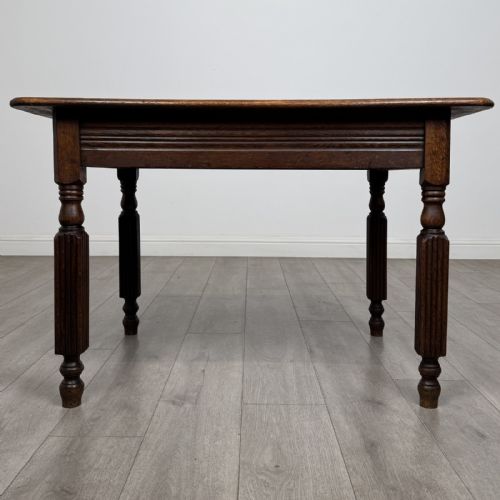
Surfaces often display carved decoration, wax finishes, or pale oak treatments that highlight the natural grain of the wood. Tapered legs, bobbin turnings, and shaped trestle ends provide structural support while adding distinct period character.
Markers of quality and craftsmanship
Quality rests in the selection of timber and the integrity of the joinery rather than surface decoration alone. Superior examples feature dense solid oak with consistent grain patterns, well-fitted extension mechanisms such as draw leaves, and rigid underframes that prevent wobbling.
Subtle details such as hand-carved friezes, well-proportioned turned legs, and robust trestle ends distinguish finer pieces from standard utility items. The integration of auxiliary woods like chestnut or beech must complement the primary oak structure without compromising overall durability.
The Vintage Oak Wooden Table Glossary
- Refectory table
- A long, narrow dining table traditionally used in monastic refectories and later adapted for domestic dining rooms with heavy trestle or four-leg bases.
- Draw leaf table
- An extendable dining table featuring two hidden leaves beneath the main top that pull out from each end to increase surface area.
- Cricket table
- A small, lightweight occasional table typically featuring three splayed legs and a round wooden top, designed for stability on uneven floors.
- Tilt-top table
- A pedestal table with a mechanism allowing the top to pivot vertically for compact storage against a wall when not in use.
- Bobbin leg
- A turned furniture leg shaped to resemble a series of wooden bobbins or spools stacked end to end.
Vintage Oak Wooden Table: Frequently Asked Questions
How do I clean an oak table?
Wipe surfaces gently with a soft, slightly damp cloth to remove dust and daily grime. Avoid harsh chemical cleaners that strip the traditional wax or polish.
Dry the timber thoroughly afterwards with a clean lint-free cloth. Applying a quality beeswax periodically helps nourish the grain and protects the wood from drying out.
Can I use an antique oak table daily?
These tables were originally built for heavy domestic use in kitchens and dining rooms. Solid oak construction provides the durability required for everyday family life.
Use coasters and placemats to protect the finish from heat marks and moisture. Regular gentle maintenance ensures the timber remains resilient against normal wear and tear.
What is a draw leaf dining table?
A draw leaf table is an extendable design featuring two extra panels stored directly beneath the main surface. Pulling these leaves outward causes the main top to rise slightly and lock them into place.
This mechanism allows the table to accommodate extra guests quickly without requiring separate freestanding boards. The leaves slide back under the main top when extra space is no longer needed.