


Vintage Oak Tray
A vintage oak tray brings honest timber and utility to a room, serving drinks, holding coats, or anchoring a hallway.
Vintage Oak Tray
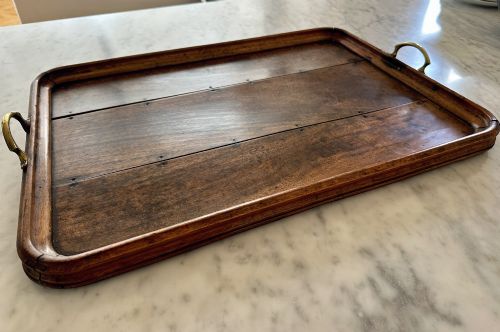
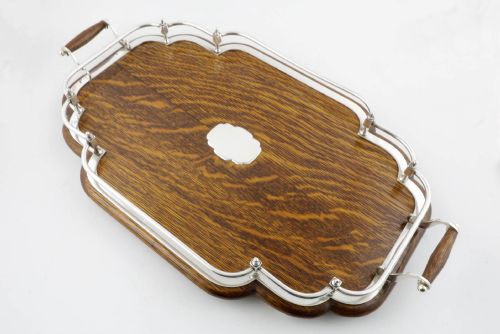
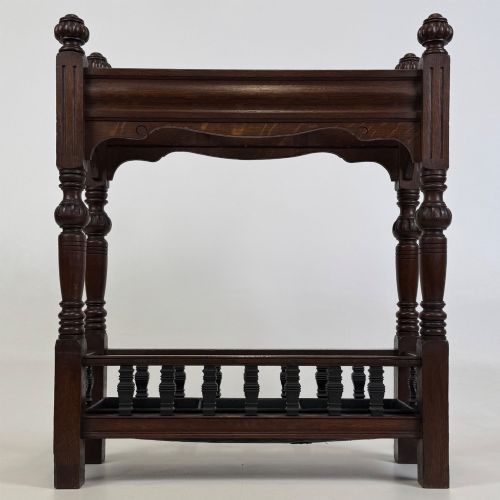
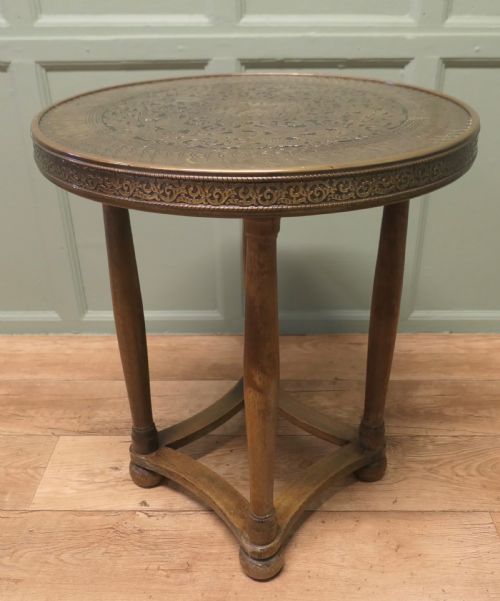
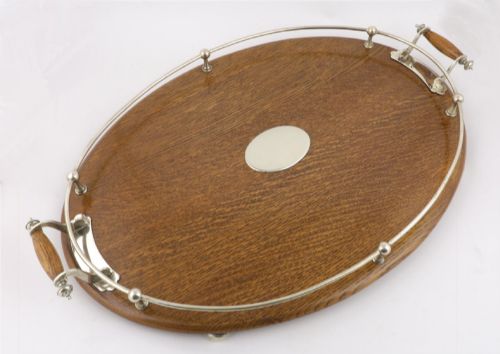
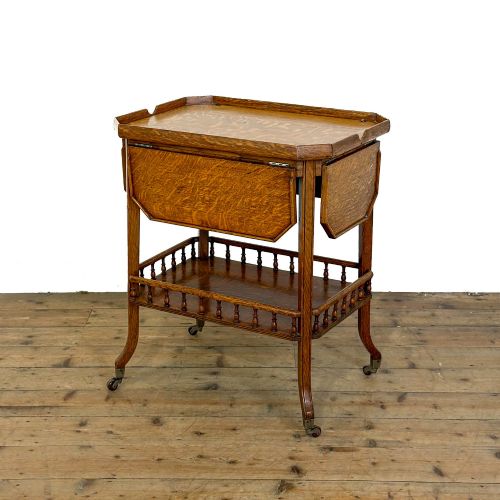
When searching for a vintage oak tray, buyers encounter several distinct forms spanning serving trays, butlers' trays on folding stands, and larger hall furniture that incorporates tray compartments or drip pans. The pieces documented here range across the nineteenth and twentieth centuries, taking in the Victorian, Edwardian, and Art Deco periods alongside the Arts and Crafts movement.
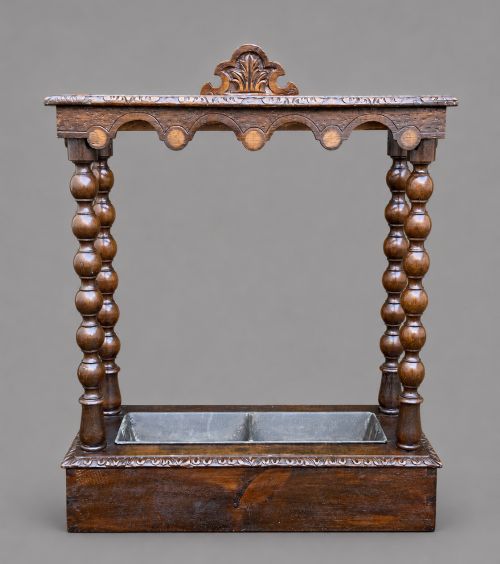
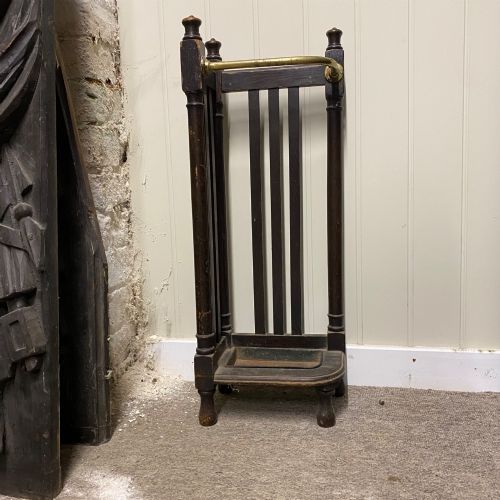
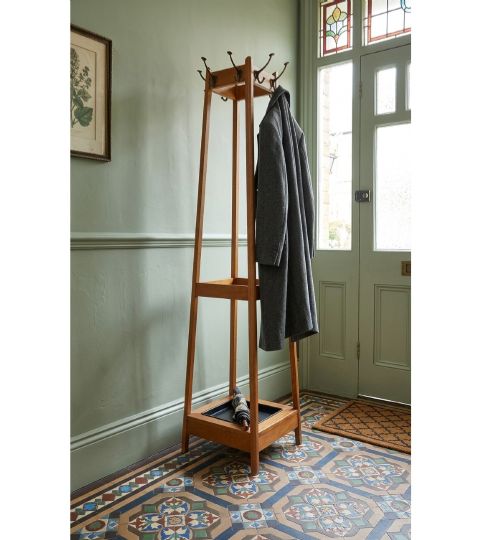
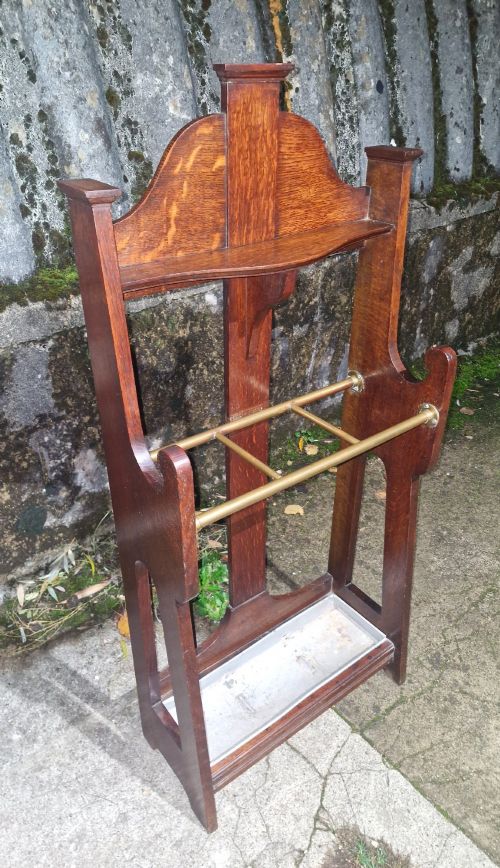
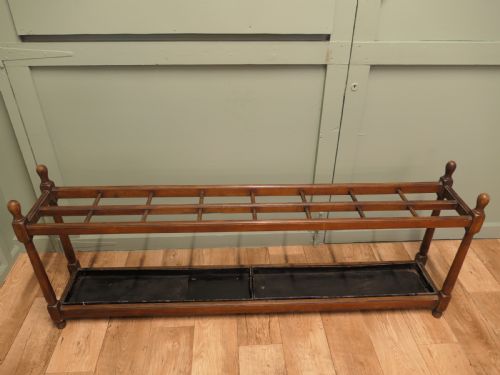
Serving trays and folding butler tray tables represent the most frequent domestic forms, often featuring removable tops and sturdy folding stands. Alongside these, hall stands and umbrella stands utilise oak framework combined with metal trays, while revolving lazy susans and tea trolleys provide surface utility for dining and hospitality.
The aesthetic vocabulary stretches from plain English country house utility to carved Jacobean revival motifs and stylised Liberty design. Buyers will find golden oak figures, dark Victorian tones, and industrial combinations involving iron, zinc, and brass fittings.
Materials and construction
Solid oak provides the structural foundation for these pieces, chosen for its durability and prominent grain pattern. Joinery relies on traditional methods including mortise and tenon joints, dovetailing on drawers, and sturdy framing designed to bear weight.
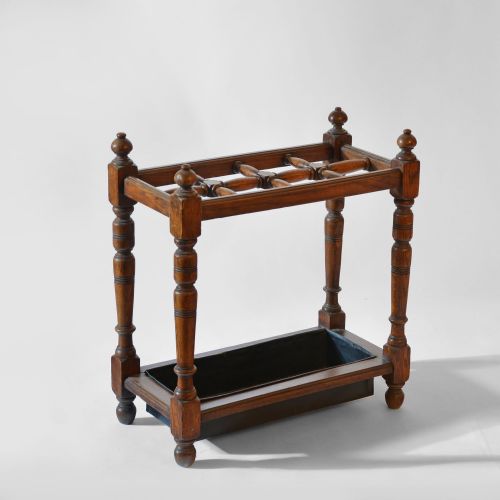
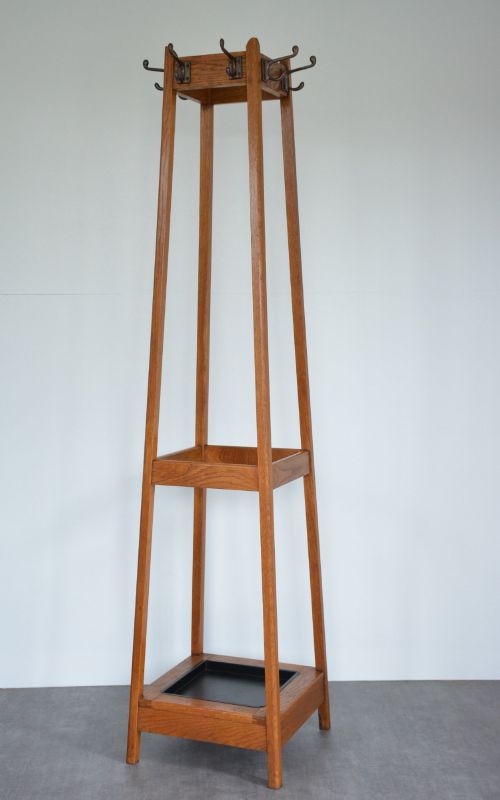
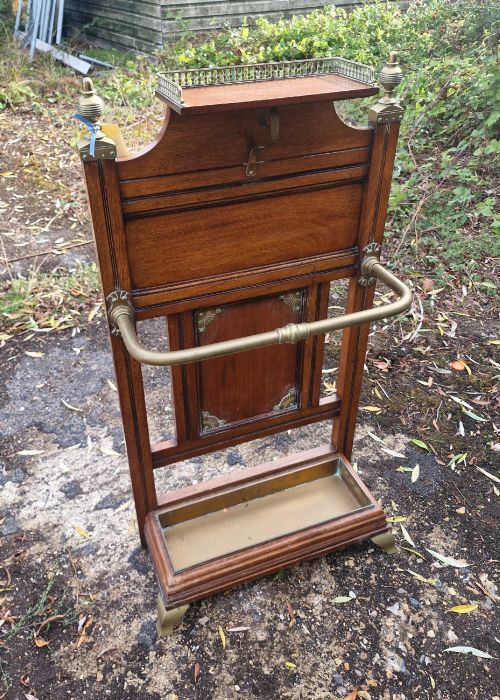
Metal components play a structural and functional role, particularly brass handles, iron hooks, and original zinc or cast iron drip trays incorporated into umbrella stands and hall furniture. Glass and mirrored elements occasionally appear in cake display stands and serving pieces, while copper and brass provide decorative contrast.
Surface finishing relies on period polishing techniques that enhance the natural colour of the timber without obscuring the grain. Carved details on Arts and Crafts and Victorian examples demonstrate hand-chiselled work rather than pressed ornamentation.
Vintage Oak Tray Retail Price Guide 2026
Typical asking prices for vintage oak tray among the pieces listed under this phrase on Sellingantiques today, from the lower quarter to the upper quarter. They describe what is for sale here now, not the wider market.
Listings feature oak combined with brass, zinc, iron, copper, and glass across Victorian, Edwardian, and Art Deco periods.
Judging quality and integrity
Quality rests upon the integrity of the timber selection and the precision of the joinery. Pieces constructed from quarter-sawn golden oak exhibit superior stability and figure compared to lesser cuts, whilst hand-carved detailing reflects the skill of the cabinetmaker.
Originality of hardware distinguishes finer examples from later replacements. The presence of original metal drip trays, brass carrying handles, and matching stands elevates the integrity of an item, whereas mismatched components diminish the piece.
Structural soundness in folding mechanisms and joints separates superior items from those compromised by heavy use. A well-made tray table operates smoothly on its stand and remains rigid under weight.
Heals of London
The Vintage Oak Tray Glossary
- Butler's tray
- A portable wooden tray with raised sides, traditionally designed to sit upon a folding X-frame stand for serving. These pieces often feature hinged flaps or shaped cut-out handles.
- Lazy Susan
- A revolving tray or tazza placed on a table to allow easy sharing of dishes. In oak, these range from plain Victorian boards to decorative Art Deco centrepieces.
- Arts and Crafts
- A design movement valuing handcraftsmanship, simple forms, and honest materials over mass production. Pieces from this style often display exposed construction and minimal, organic carving.
- Hall stand
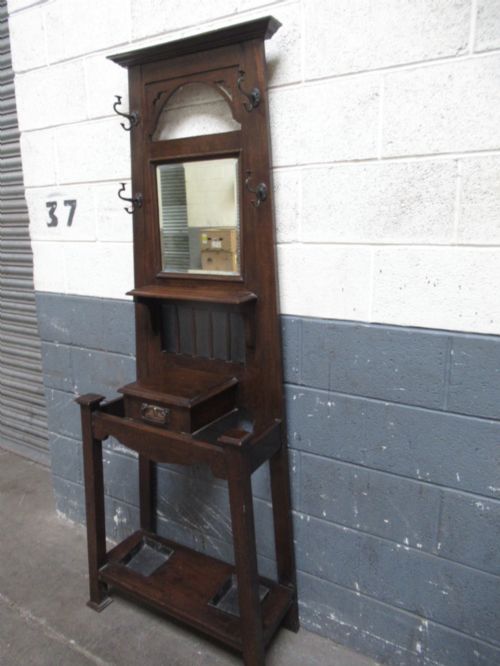
- A piece of entrance furniture combining coat hooks, a mirror, and a seat or umbrella stand with a metal drip tray. They organise entranceways using sturdy oak framing.
- Tazza
- A small pedestal dish or elevated tray used for display or serving. They appear in oak during the Art Deco period as revolving table centrepieces.
Vintage Oak Tray: Frequently Asked Questions
How were butlers trays used?
A butler's tray served as a portable surface for carrying food and drink from the kitchens to the dining rooms of large houses. The removable tray lifted off its folding stand so servants could clear tables efficiently.
In modern homes, these pieces function well as coffee tables or side surfaces. Their folding stands allow easy storage when space is required.
What is the difference between an Edwardian and Victorian oak tray?
Victorian pieces tend to use darker oak finishes with heavier proportions and more elaborate carved decoration. They reflect formal nineteenth-century interior aesthetics.
Edwardian examples often feature lighter golden oak timbers and simpler lines, influenced by the Arts and Crafts movement. They prioritise utility and natural grain over heavy ornamentation.
How do I care for vintage oak furniture?
Keep oak pieces away from direct heat sources and strong sunlight to prevent the timber from drying and splitting. Regular dusting with a dry cloth maintains the surface.
Feed the wood periodically with a traditional wax polish to nourish the grain. Avoid liquid cleaners that strip the historic finish.
Are original drip trays important?
Original metal drip trays in umbrella stands and hall furniture add authenticity and completeness to a piece. They were designed to catch water from wet walking sticks and prevent rot in the wooden base.
Replacements can serve the same practical purpose, but pieces retaining their zinc, copper, or cast iron liners hold greater integrity for collectors.