

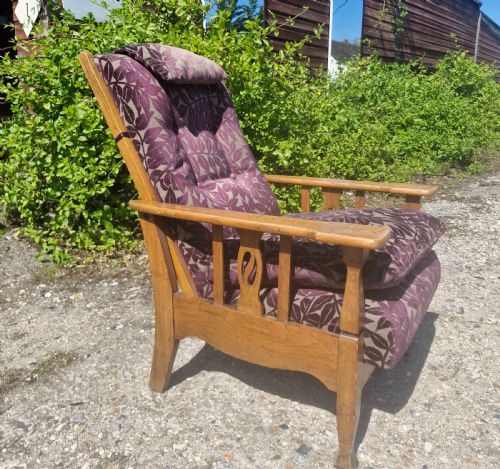


Vintage Oak Lounge Chair
These vintage oak lounge chairs bring solid construction and tactile materials into a room, offering practical seating with enduring presence.
How they were made
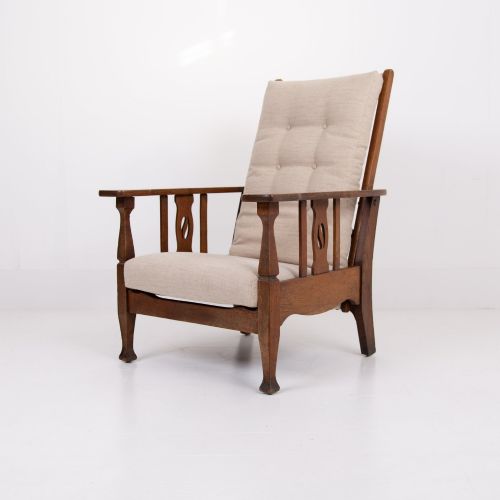
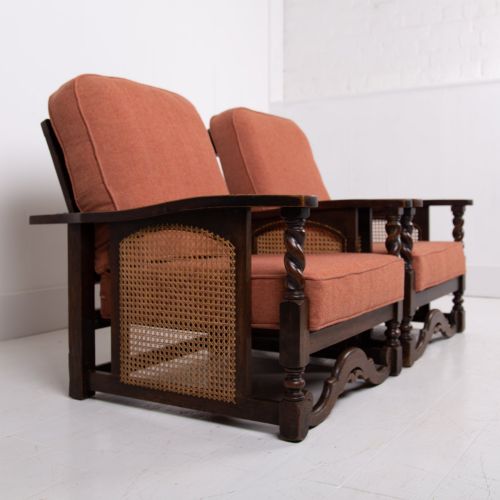
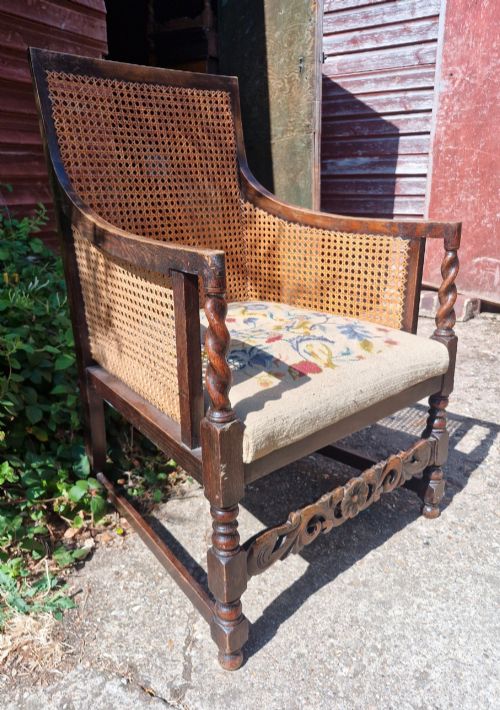
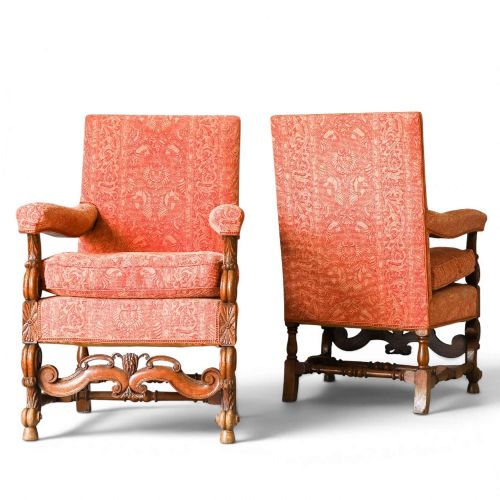
Makers built the structural framework using solid oak, often shaping the timber with turned supports, carved details, or clean linear profiles. This dense wood provides the heavy, lasting foundation common across the pieces.
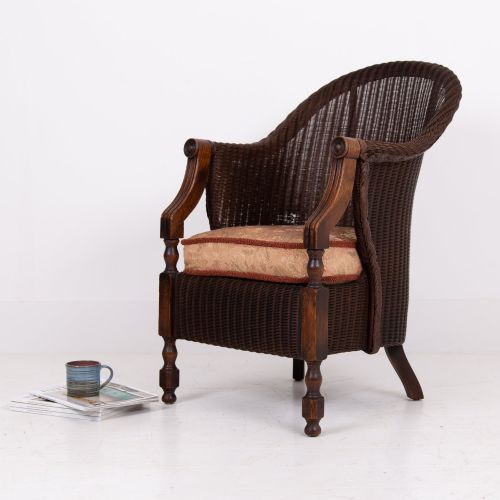
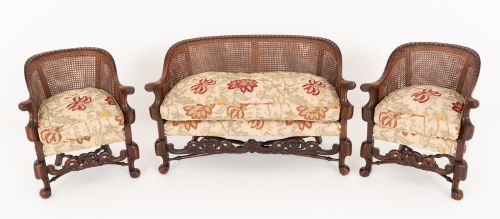
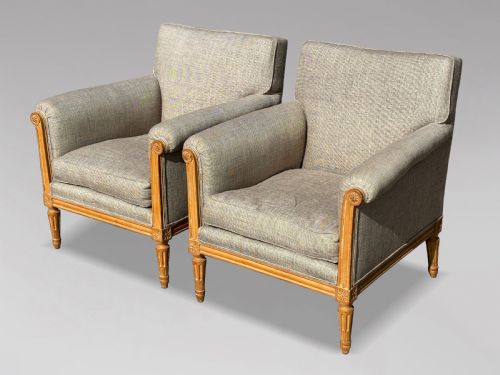
Upholstery and support methods rely on materials like leather, fabric, cane, rattan, and Lloyd Loom weave. Brass hardware and plush cushions frequently complement the wooden frames to complete the seating.
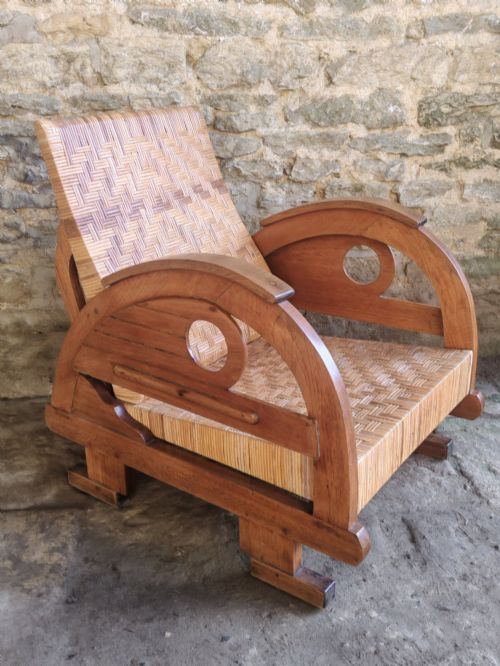
Reclining mechanisms and adjustable backrests appear in specific models, combining mechanical ingenuity with traditional woodworking techniques. Skilled artisans integrated these functional elements directly into the wooden framework.
What varies in quality
The standard of craftsmanship is visible in the precision of the timber joinery and the depth of any hand-carved ornamentation. Superior examples feature tightly fitted joints and clean, balanced proportions that maintain their structural integrity.
The choice and execution of upholstery materials also distinguish different grades of seating. Premium builds utilise high-grade leather, tightly woven cane, or durable textiles that complement the substantial weight of the oak frame.
Some chairs arrived with built-in reclining actions for the weary Victorian gentleman who took his relaxation very seriously indeed.
Heals of London·Foot and Sons
The Vintage Oak Lounge Chair Glossary
- Bergere
- An upholstered armchair with an enclosed wooden frame where the sides and back often feature cane work. This French seating style became popular in various English revivals.
- Cane
- Woven material made from the peeled bark of rattan palm, traditionally used for chair seats and back panels. It offers a flexible yet resilient surface.
- Reclining armchair
- A chair equipped with a mechanism or adjustable back to allow the user to lean backward. These versions often include footrests or adjustable ratchets.
- Wingback armchair
- A seat featuring high back and projecting side panels designed to shield the occupant from drafts. Early versions typically paired exposed timber frames with leather upholstery.
Vintage Oak Lounge Chair: Frequently Asked Questions
How do I care for the oak frame?
Keep the timber clean by dusting with a dry cloth and occasionally applying a suitable beeswax to nourish the wood.
Avoid placing the chair near direct heat sources or strong sunlight to prevent the oak from drying out or splitting.
Are these chairs comfortable for daily use?
Many examples feature padded cushions, ergonomic reclining adjustments, or supportive upholstered backs designed for extended periods of sitting.
Consider whether you prefer an upright lounge posture or a more relaxed reclining angle when selecting a specific design.
How do I identify the period of a chair?
Examine the stylistic details, such as the decorative motifs of the Arts and Crafts movement or the streamlined geometry typical of Art Deco.
Construction methods and the specific type of upholstery or woven cane also provide strong clues regarding the manufacturing era.
Can I mix these chairs with modern decor?
The natural grain of oak and neutral tones of leather or cane allow these pieces to anchor both traditional and contemporary room schemes.
Pairing a vintage lounge chair with minimalist furniture creates a balanced interior that highlights the character of the older timber.