

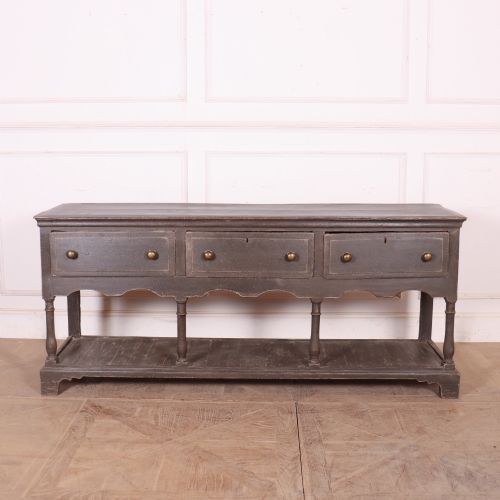


Vintage Oak Kitchen Server
These vintage oak kitchen server pieces bring honest utility and character to a room, offering sturdy work surfaces and deep storage built to last.
Vintage Oak Kitchen Server
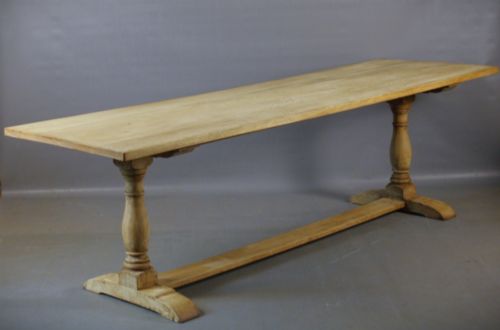
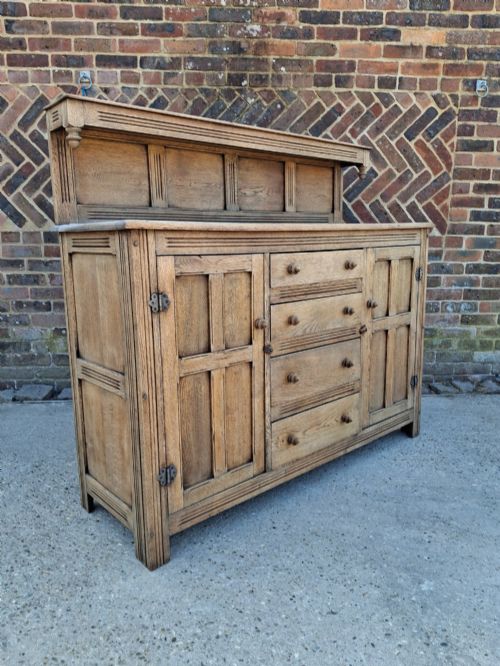
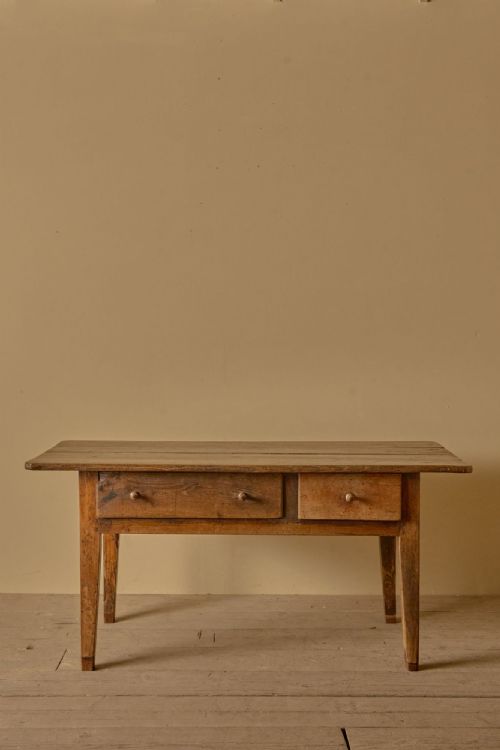
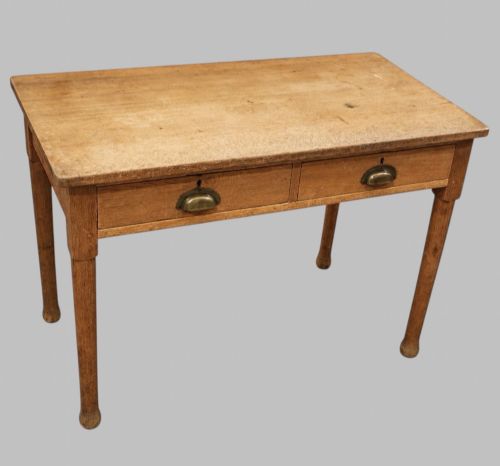
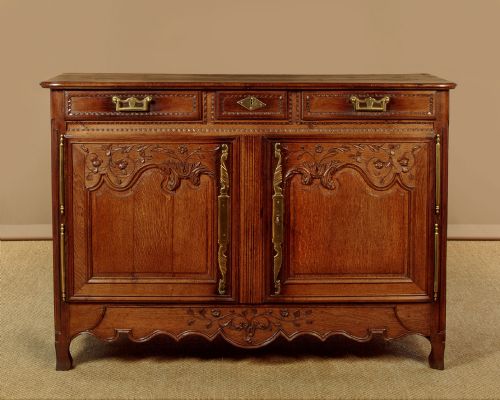
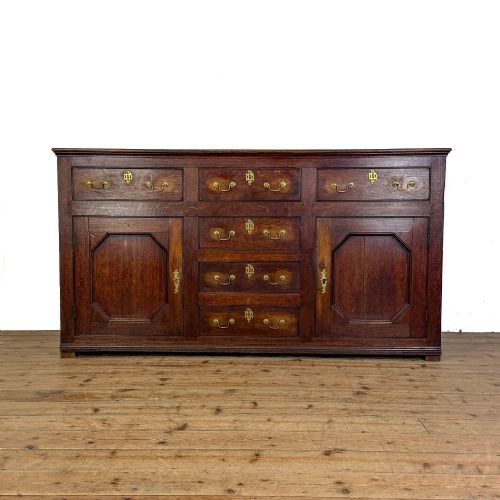
When you search for a vintage oak kitchen server, you find heavy utilitarian furniture designed for preparation and storage in domestic spaces. These pieces encompass sturdy dresser bases, drapers tables, and cabinets originating from the eighteenth, nineteenth, and early twentieth centuries. The selection draws heavily on English country, Georgian, and French rustic traditions where robust timber construction matters most.
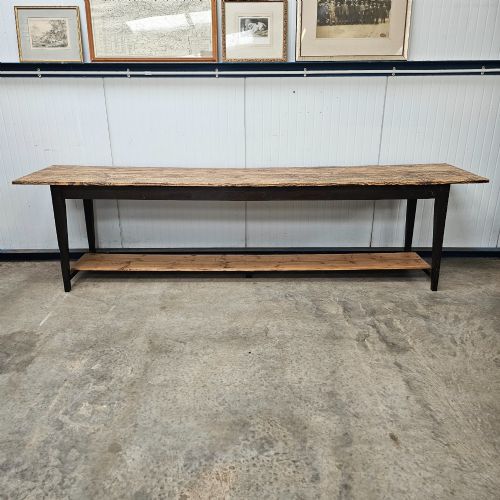
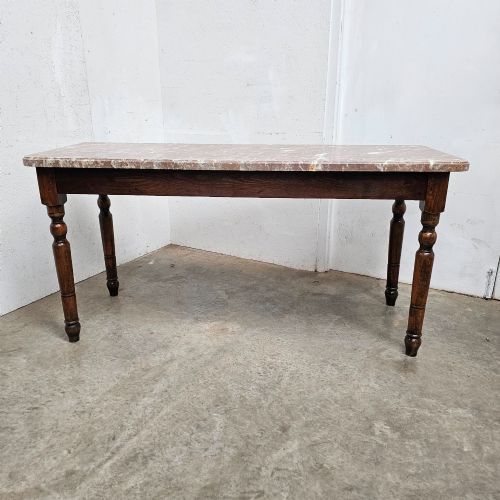
You are most likely to encounter long dresser bases and bleached oak drapers tables on this page. These forms often feature multiple drawers or open potboards underneath the main surface. The predominant material is solid oak, sometimes paired with pine or finished with painted timber and marble tops.
How they were made
Makers constructed these pieces using solid timbers like oak and pine, relying on traditional joinery to withstand daily labour. Drawer frames and heavy tabletops demonstrate practical hand-tool methods suited to domestic and commercial environments.
Surfaces show various finishes including natural wax, bleached timber treatments, and historic painted layers. Brass hardware and leaded glass accents appear on specific cabinet and dresser variants.
Vintage Oak Kitchen Server Retail Price Guide 2026
Typical asking prices for vintage oak kitchen server among the pieces listed under this phrase on Sellingantiques today, from the lower quarter to the upper quarter. They describe what is for sale here now, not the wider market.
Some drapers tables stretch to four metres, reminding us that historical cooks and merchants took plenty of workspace very seriously.
What varies in quality
The distinction between standard utility items and superior examples lies in the integrity of the timber and the restraint of subsequent restoration. Untouched original surfaces with honest patination command greater interest than heavily sanded or over-restored timber.
Proportion and scale also dictate quality, particularly in longer drapers tables and monumental dresser bases where timber selection across wide spans requires superior craftsmanship.
Heals of London
The Vintage Oak Kitchen Server Glossary
- Dresser base
- A low wooden storage unit featuring drawers and sometimes an open shelf tier below, historically used for food preparation and serving in kitchens.
- Drapers table
- A long, narrow work table traditionally utilised in textile shops or large country houses for folding fabric, characterised by deep proportions and sturdy legs.
- Potboard
- An open slatted lower shelf fitted beneath a dresser base, originally intended for storing heavy pots and pans off the floor.
- Patination
- The surface sheen and colour acquired by wood and metal through decades of handling, exposure, and polishing.
Vintage Oak Kitchen Server: Frequently Asked Questions
What is a vintage oak kitchen server?
A vintage oak kitchen server refers to practical working furniture like dresser bases, drapers tables, and heavy sideboards designed for food preparation and storage.
These pieces originate from domestic and rural settings across the eighteenth, nineteenth, and early twentieth centuries, constructed primarily from solid oak.
How were drapers tables used originally?
Drapers tables served as long, stable work surfaces in merchant shops for measuring and folding textiles before transitioning into domestic use.
Their generous length and sturdy construction also made them suitable for large-scale food preparation and general household tasks.
How do I maintain an oak kitchen surface?
Maintain oak surfaces by regularly applying natural beeswax to nourish the timber and protect against moisture and daily wear.
Avoid using harsh chemical cleaners or excessive water, wiping spills promptly with a dry or slightly damp cloth.
How can I tell a Georgian piece from a later one?
Georgian pieces generally exhibit specific joinery techniques, timber cuts, and hardware styles characteristic of the eighteenth and early nineteenth centuries.
Later Edwardian or early twentieth-century examples often incorporate revival styles, machine-assisted elements, or lighter timber bleaching treatments.