

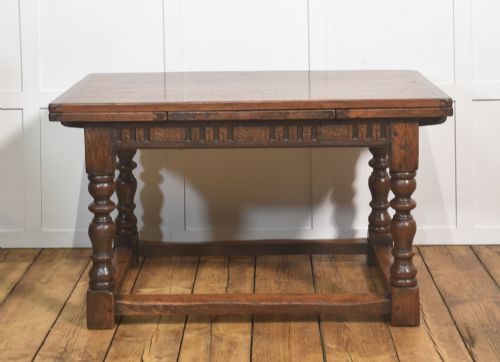
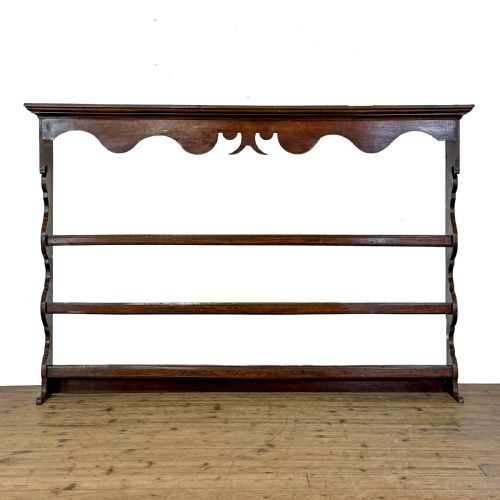


Vintage Oak Frieze
These vintage oak frieze pieces bring rich timber character and period craftsmanship straight into modern interiors.
Vintage Oak Frieze
A vintage oak frieze typically forms part of larger furniture pieces, such as small bedside cabinets or carved tables seen across nineteenth and early twentieth century examples. Buyers hunting for a vintage oak frieze often encounter decorative carved borders integrated into larger items of furniture rather than isolated architectural fragments.
The selections span diverse eras from the Georgian period through the Edwardian years up to the 1920s, reflecting traditional English country and Jacobean revival tastes. Many items display the sturdy presence characteristic of solid oak construction, alongside related styles like French Provincial and Arts and Crafts.
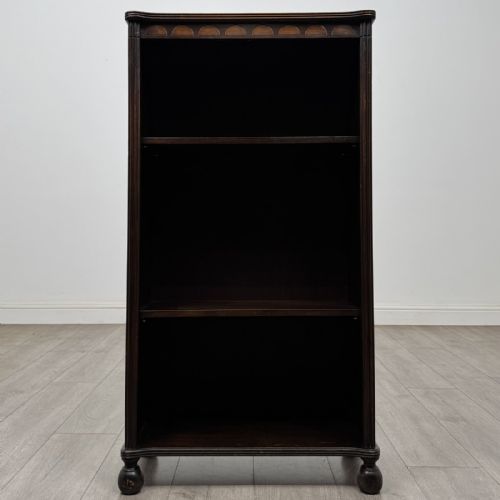
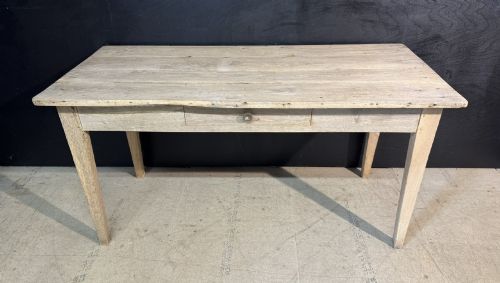
Forms vary widely from dining tables and extending refectory boards to open bookcases and writing desks. Each piece highlights the enduring appeal of heavy timber framing and traditional cabinetmaking methods.
Materials and construction methods
Solid oak serves as the primary material, occasionally accompanied by pine, padouk, and metal or iron fittings on specific tables and desks. Cabinetmakers relied on traditional joinery techniques to shape heavy boards into functional items like draw-leaf tables and pedestal desks.
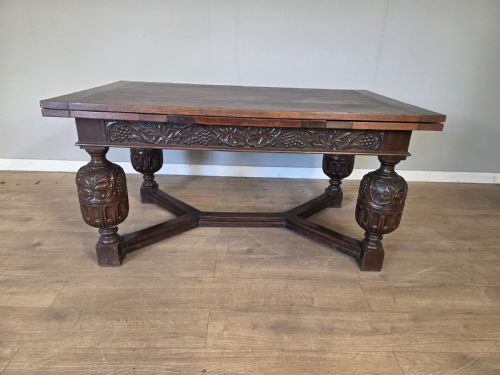
Carving defines many of the decorative friezes, utilising chisel work to create textured patterns that echo Jacobean and Elizabethan revival styles. Surface finishes protect the timber while allowing the natural grain and colour variations to remain prominent.
Vintage Oak Frieze Retail Price Guide 2026
Typical asking prices for vintage oak frieze among the pieces listed under this phrase on Sellingantiques today, from the lower quarter to the upper quarter. They describe what is for sale here now, not the wider market.
Some nineteenth-century tables come with secret extension leaves that glide out smoothly, proving ancestors loved a dinner party as much as we do.
Distinctions in quality
Depth and crispness of the carved ornamentation separate standard production from finer workmanship, particularly where decorative friezes meet the main frame. Sharp chisel marks and well-defined motifs indicate skilled hand-carving during production.
The selection of timber grain and the integrity of the joinery dictate the overall solidity of tables, bookcases, and cabinets. Uniform colour matching across large panels and sturdy structural joints distinguish superior examples from simpler utilitarian pieces.
Ercol
The Vintage Oak Frieze Glossary
- Draw-leaf table
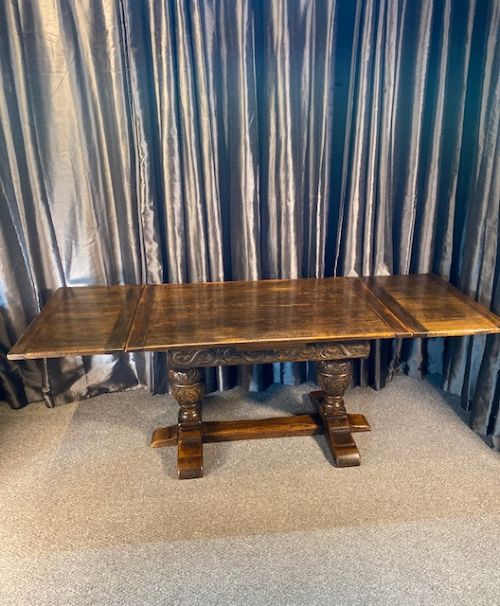
- A dining table equipped with sliding leaves stored beneath the main top that pull out to extend the surface length. This mechanism preserves the decorated frieze line when closed.
- Refectory table
- A long, narrow dining table traditionally used in communal dining halls and characterised by sturdy legs and supportive stretchers. Many examples feature substantial timber friezes beneath the top edge.
- Padouk
- A dense tropical hardwood known for its reddish-brown colour, occasionally utilised in nineteenth-century library tables alongside traditional European timbers like oak.
- Jacobean Revival
- A nineteenth and early twentieth-century style imitating seventeenth-century English furniture. It heavily incorporates dark oak, geometric mouldings, and carved friezes.
Vintage Oak Frieze: Frequently Asked Questions
What is a furniture frieze?
A frieze is the upper horizontal band of a cabinet or table, often embellished with carved details that showcase the maker's skill.
In vintage oak pieces, this area serves as a primary decorative focus rather than a purely structural component.
How do I identify a 1920s oak table?
Tables from the 1920s frequently exhibit Jacobean revival styling, solid oak construction, and practical mechanisms like draw-leaves.
Examining the underside and joinery helps confirm the period manufacturing techniques used during that decade.
Where should I place an oak bookcase?
Small oak bookcases suit studies, hallways, or living rooms where sturdy open shelving provides both storage and display space.
Keep them away from direct heat sources to protect the aged timber and prevent the grain from drying out.
Can I use a refectory table daily?
Large oak refectory tables are built for heavy domestic use and easily withstand daily dining and family gatherings.
Regular polishing with appropriate wax maintains the protective surface sheen against everyday wear and spills.