




Vintage Nut Bowl
These vintage nut bowl pieces combine functional hosting history with distinct period styles, offering a practical way to display small items.
Vintage Nut Bowl
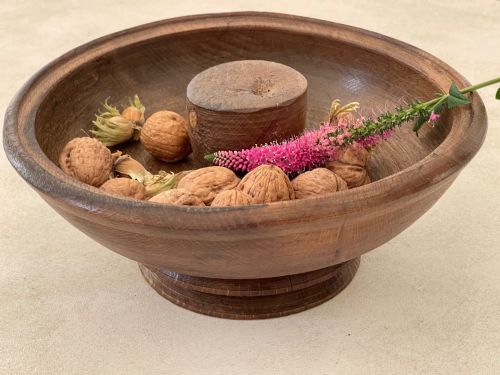
A vintage nut bowl or related serving dish spans multiple eras, with examples appearing from the Georgian period through to the 1940s. These items range from deep wooden containers for fruit and nuts to decorative silver bowls and novelty vessels.
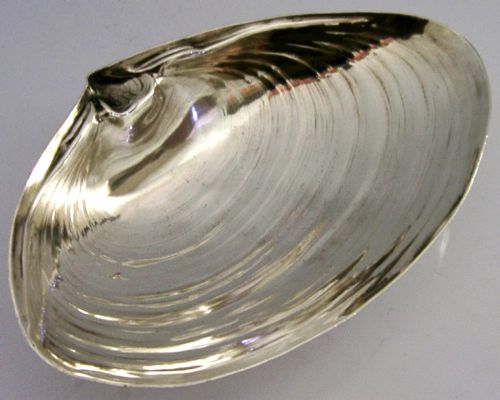
The selection on this page covers various forms, including bonbon dishes, sweet dishes, trinket dishes, and shaped receptacles such as leaf designs or animal motifs. Material origins stretch from British workshops to Chinese export pieces and French opaline glass.
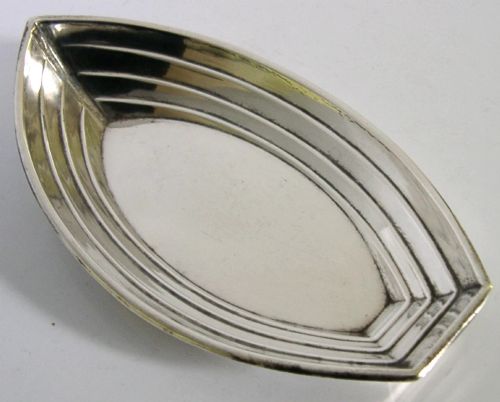
Buyers frequently encounter silver-plated and sterling silver items from the early twentieth century alongside older wooden and nut-based items. The styles shift from Victorian ornamentation to clean Art Deco lines and Scandinavian revival influences.
Materials and construction
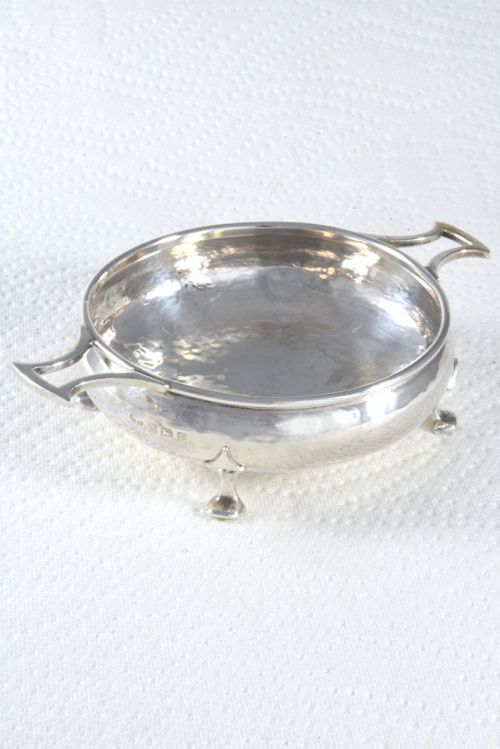
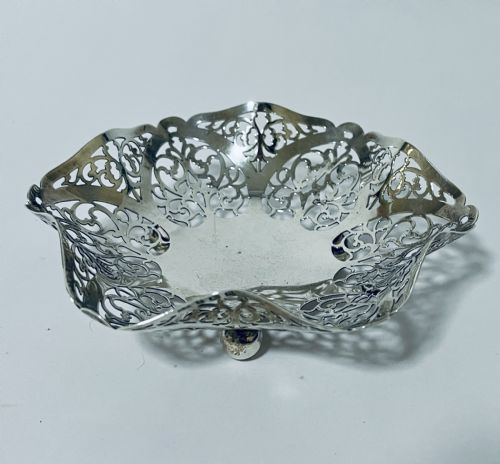
Metals form a large portion of the selection, utilising sterling silver, silver plate, and general metalwork shaped into baskets, boats, and leaf patterns. Silversmiths employed casting, hammering, and piercing techniques to create openwork galleries and decorative rims.
Organic materials also appear, utilising natural substances like coquilla nut combined with silver mounts and treen woodwork. Glass variations include opaline glass scallop shells finished with gold leaf or gilt edges.
Construction methods range from the turned mahogany woodwork of Georgian containers to the detailed figural casting seen in novelty animal dishes.
Vintage Nut Bowl Retail Price Guide 2026
Typical asking prices for vintage nut bowl among the pieces listed under this phrase on Sellingantiques today, from the lower quarter to the upper quarter. They describe what is for sale here now, not the wider market.
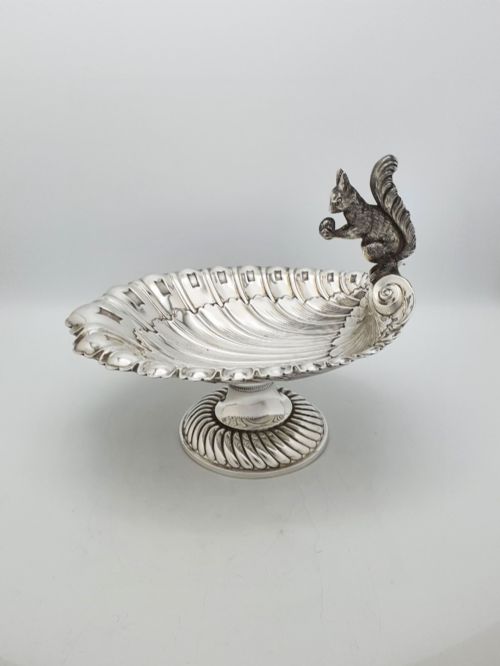
Squirrels hold a historic monopoly on nut-themed tableware, as demonstrated by early twentieth-century silver-plated dishes featuring woodland critters perched on the rim.
Judging quality in these items
Quality rests upon the crispness of the casting and the integrity of the materials, whether in the depth of a silver maker's mark or the joinery of a wooden container. Superior examples maintain their original form without distortion in the metal or excessive thinning of the plating.
Artisanal detail separates standard production items from finer pieces, evident in hand-chased ornamentation, well-applied gilt edges, and secure mounts on organic nut shells. Items that retain their matched pairs or complete sets hold greater visual weight.
Condition plays a central role, with the best specimens showing minimal wear to silver surfaces, intact glass without chips, and sound structural stability in wooden vessels.
Wallace
The Vintage Nut Bowl Glossary
- Bonbon dish
- A small open vessel traditionally used for holding sweets or small confectionery. These pieces frequently feature pierced silver decoration and footed bases.
- Coquilla nut
- The hard, mottled brown seed of the Brazilian palm piassava, often turned on a lathe into small containers, handles, or ladles. It provides a dense, grain-rich surface that takes a high polish.
- Opaline glass
- An opaque or translucent art glass popular in nineteenth-century France and England. It is often moulded into natural forms like scallop shells and highlighted with gilt edges.
- Treen
- Small handmade wooden objects for domestic use, created through carpentry or woodturning. This category includes bowls, boxes, and ladles predating modern plastics.
- George V
- The period of British history spanning from 1910 to 1936. Silverware from this era often bears distinct hallmark dates and reflects transitional design between Edwardian opulence and Art Deco.
Vintage Nut Bowl: Frequently Asked Questions
What were vintage nut bowls used for?
These vessels served dining tables and parlours to hold nuts, small fruits, or sweetmeats during social gatherings. They provided an accessible portion for guests while adding a decorative element to the table setting.
Over time, many of these small dishes transitioned into general trinket holders or display pieces for dressing tables and sideboards.
How do I clean a silver nut dish?
Maintenance requires a soft cloth and a reputable silver polish formulated to remove tarnish without abrading the metal surface. Avoid harsh chemical dips, especially on pieces with gilt edges or organic elements like tortoiseshell and coquilla nut.
For items combining wood or glass with metal, keep moisture away from the non-metal sections during the cleaning process to preserve the original adhesives and finishes.
Are these glass and silver dishes fragile?
Care is required due to the thin nature of opaline glass and the delicate openwork found on many silver bonbon dishes. Natural materials like coquilla nut and tortoiseshell also demand gentle handling to prevent surface splitting.
Displaying them away from high-traffic table edges reduces the risk of accidental knocks and structural damage.
How do I identify the age of a silver dish?
British silver typically carries hallmarks that indicate the assay office, the maker, and a specific date letter corresponding to the year of manufacture. Examining these tiny stamped marks provides the most accurate chronology.
Stylistic markers, such as the geometric lines of Art Deco pieces or the heavier ornamentation of Victorian design, offer secondary clues when hallmarks are absent or foreign.