




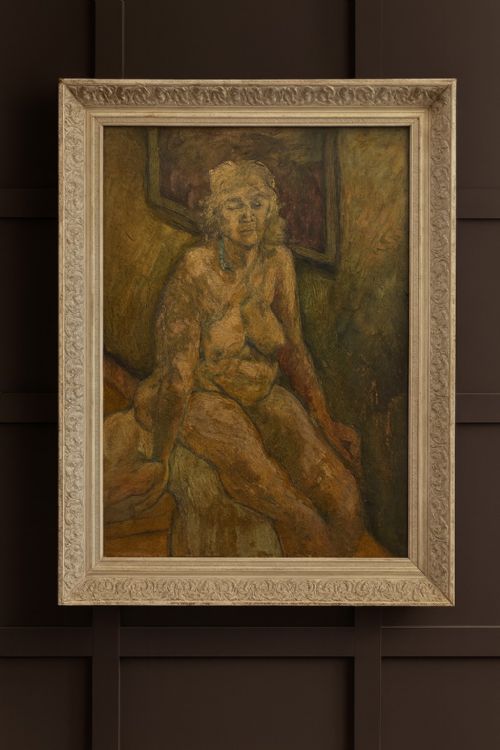
Vintage Nude Painting
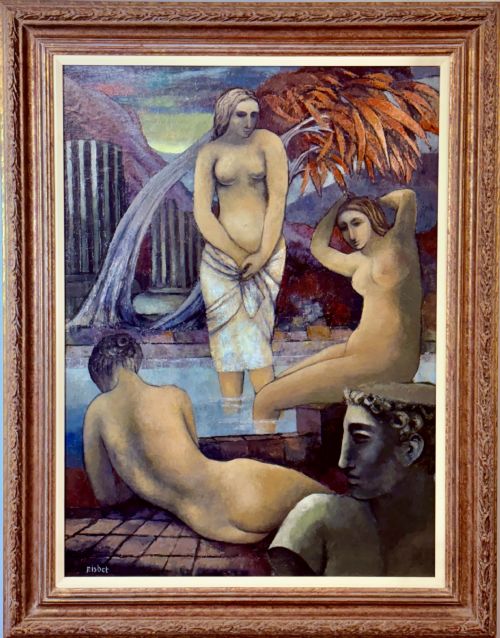
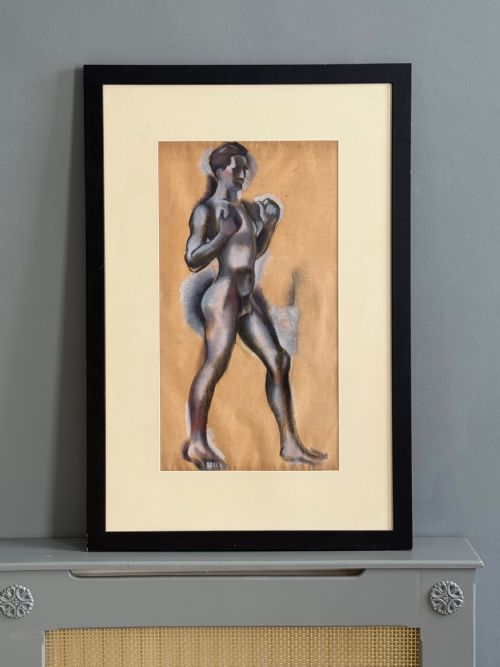
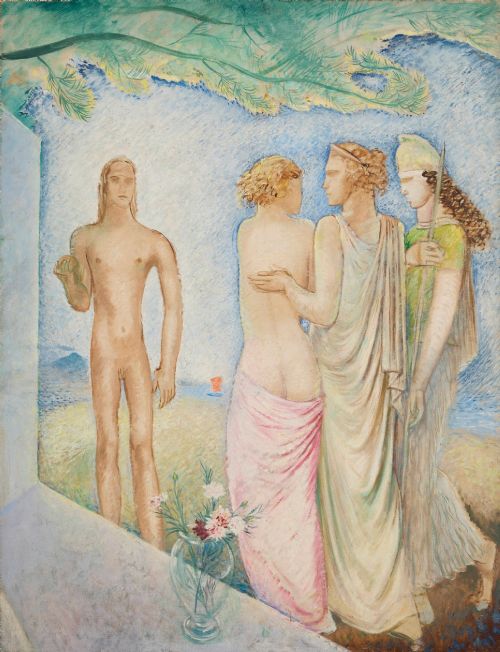
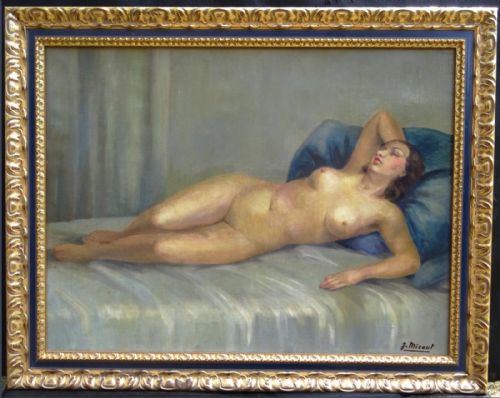
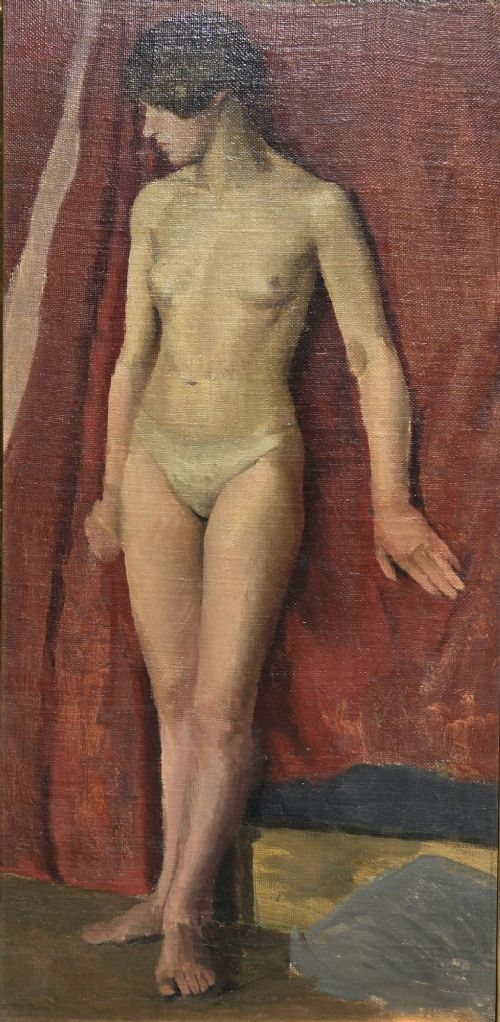
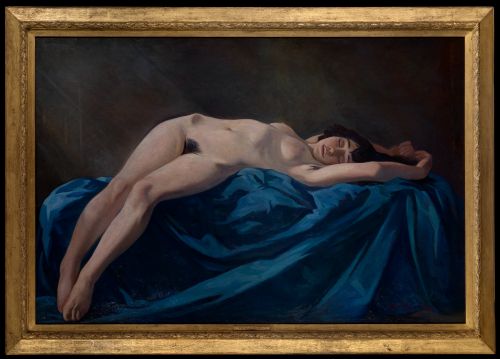
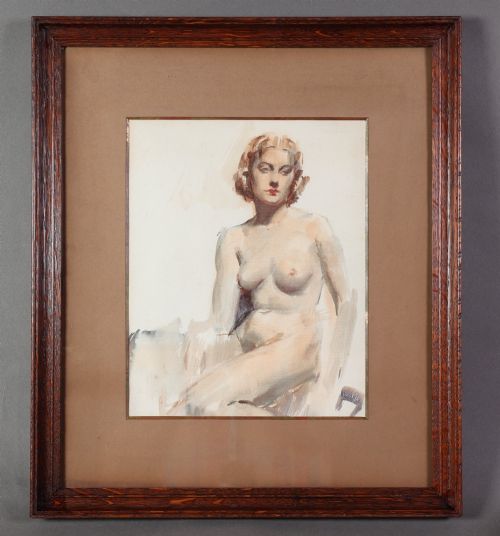
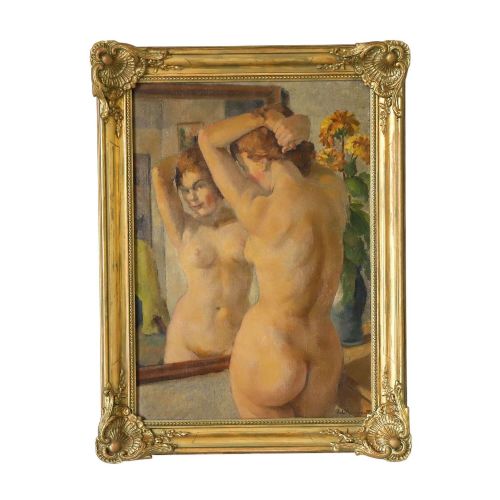
When you search for a vintage nude painting, you encounter works spanning academic realism to mid-century expressionism across canvas and wood panels.
Vintage Nude Painting
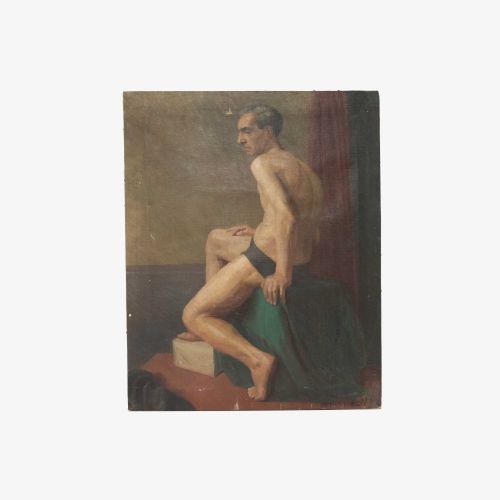
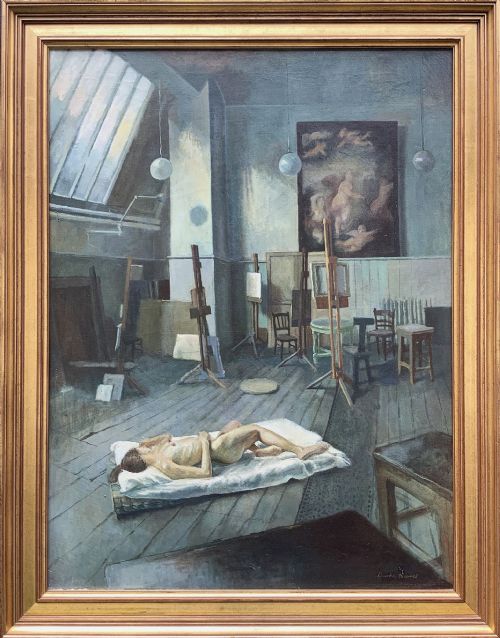
A vintage nude painting captures the human form through the lens of twentieth-century styles including Art Deco, Modern British, and Post-Impressionism. The pieces range from intimate life class interiors to large scale oil paintings on canvas and paper.
Most examples originate from the early decades of the twentieth century up to the nineteen-sixties, reflecting changing attitudes toward the body in British, French, and wider European art.
Buyers meet works by listed artists alongside pieces attributed to the British and French schools, offering varied interpretations of the human figure from quiet indoor settings to bold avant-garde compositions.
Materials and technique
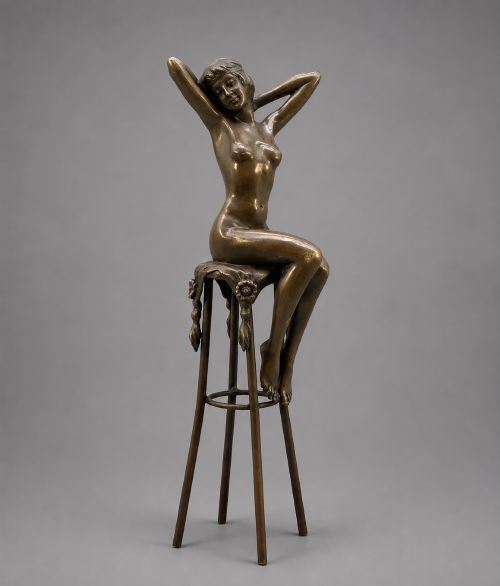
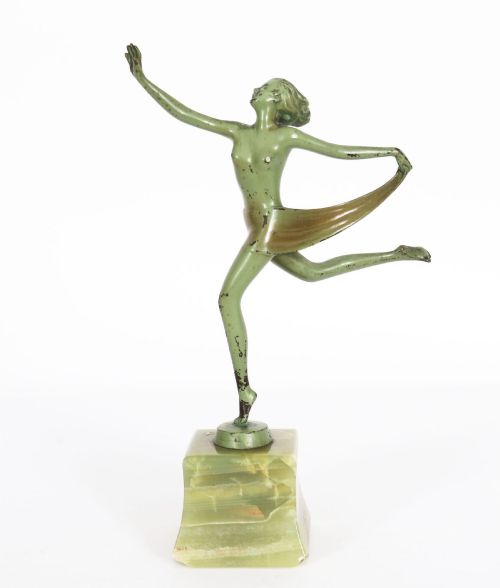
The works rely primarily on oil paint applied to canvas, stretched wood supports, or paper, capturing texture and depth through layered brushwork. Some pieces employ pastel or watercolour, while three-dimensional interpretations utilise cold-painted bronze, spelter, and wood.
Techniques range from smooth academic realism and chiaroscuro shadowing to the looser, expressive strokes characteristic of mid-century figurative and post-impressionist movements.
Vintage Nude Painting Retail Price Guide 2026
Typical asking prices for vintage nude painting among the pieces listed under this phrase on Sellingantiques today, from the lower quarter to the upper quarter. They describe what is for sale here now, not the wider market.
Listings feature oil on canvas as the primary medium, alongside works on paper and cold-painted bronze sculptures from the nineteen-twenties and nineteen-thirties.
Markers of distinction
Quality rests in the handling of light, anatomical proportion, and the confidence of the artist's line, where deliberate brushstrokes convey volume and presence rather than mere surface detail. Masterful tonal control distinguishes compelling character studies from routine life class exercises.
The integration of the figure within its surrounding interior or landscape setting demonstrates compositional strength, separating works of lasting artistic merit from decorative productions.
Glyn Warren Philpot·Josef Lorenzl·Pinchus Kremegne·Frank Dobson·Sir William Russell Flint
The Vintage Nude Painting Glossary
- Academic Realism
- A style of painting and sculpture produced under the influence of European academies of art, prioritising accurate anatomy, smooth finishes, and classical subject matter.
- Chiaroscuro
- An artistic technique using strong contrasts between light and dark, usually bold contrasts affecting a whole composition, to give a three-dimensional volume to figures.
- Intimist
- A term describing painters who specialised in domestic interior scenes, capturing quiet, private moments of daily life with warmth and psychological depth.
- Spelter
- A zinc alloy frequently used in the twentieth century as a less expensive alternative to bronze for casting sculptural figurines and decorative objects, often given a patinated finish.
Vintage Nude Painting: Frequently Asked Questions
Where should I hang a nude painting?
These works suit studies, drawing rooms, and private living spaces where lighting can be controlled to highlight the texture of oil paint on canvas. Pairing them with understated frames allows the tonal qualities of the figure to command attention.
Direct sunlight should be avoided to protect oil pigments and paper supports from fading over time.
What is a life class study?
A life class study is an artwork created directly from a live model, often within an academy or artist's studio setting. These pieces capture immediate anatomical observations and gesture.
They range from rapid sketches on paper to fully realised oil paintings developed over multiple sessions.
How do bronze and spelter differ?
Bronze is a durable copper and tin alloy prized for its strength and capacity to hold fine sculptural detail. Spelter is a softer, zinc-based metal that mimics bronze appearance but requires gentler handling.
Both materials were widely employed for figurative sculptures during the early twentieth century.