



Vintage Nude Canvas
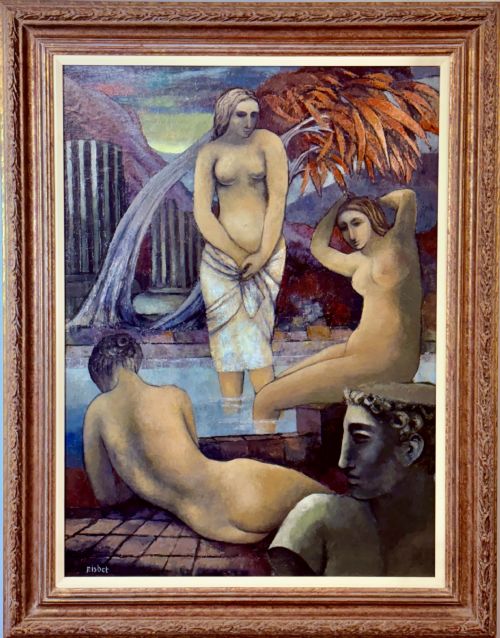
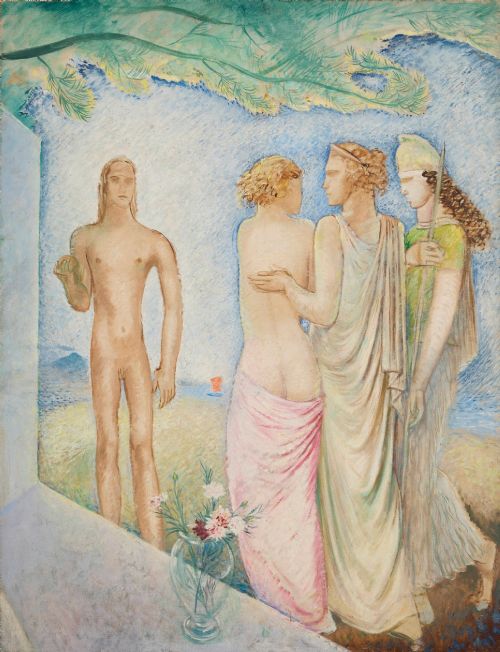
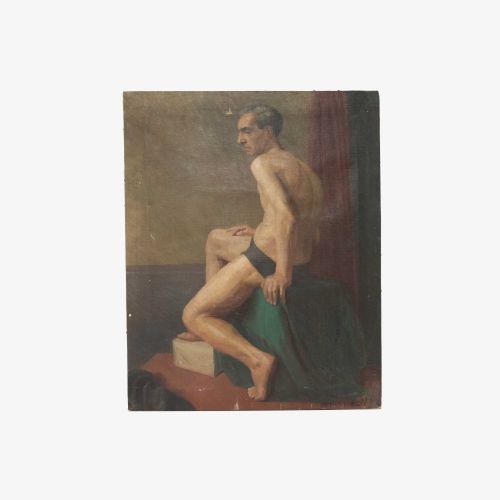
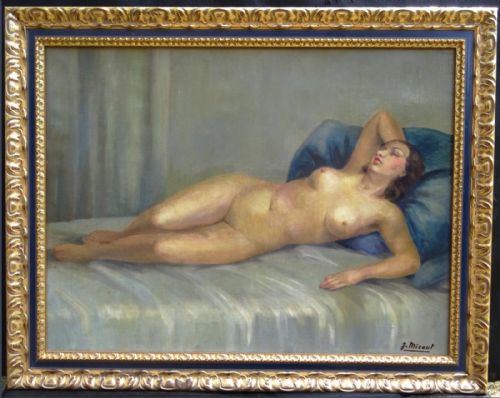
Vintage nude canvas works capture the human form through oil paint, spanning academic studies to avant-garde compositions from the early to mid-twentieth century.
Vintage Nude Canvas
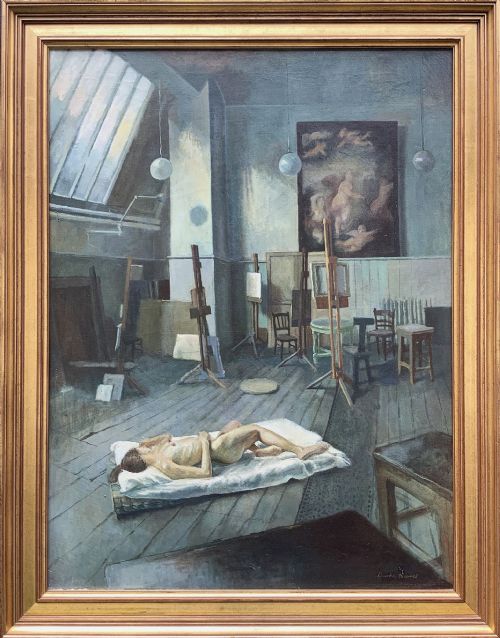
A vintage nude canvas brings together figurative art traditions and modernist expression across various decades of the twentieth century. These fine art paintings range from intimate life studies to large interior scenes executed by British, French, and European artists.
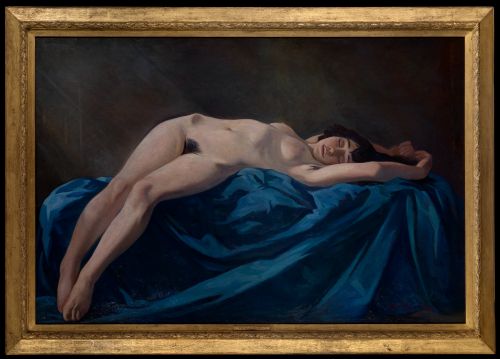
The works appearing here are most commonly oil paintings on canvas or board, originating from periods such as the Art Deco era, the nineteen-fifties, and nineteen-sixties. Painters utilise these studies to explore light, form, and character through direct observation of the human body.
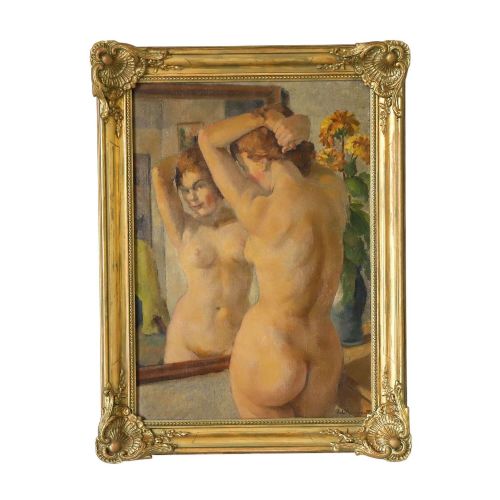
Buyers encounter everything from rapid academic sketches to finished gallery paintings framed in wood and gilt. Each piece reflects the specific aesthetic concerns of its decade, connecting contemporary interiors with historical figurative traditions.
Materials and methods
Artists painted primarily with oil paint on stretched canvas or board, building rich textures through layered brushwork and glazing. The oil medium allows for subtle tonal gradations, which painters utilise to model flesh and define shadow.
Supports often consist of woven canvas secured to wooden stretchers, sometimes later laid onto board for structural stability. Many pieces retain period frames finished in plain wood or gilt moulding that complement the composition.
Vintage Nude Canvas Retail Price Guide 2026
Typical asking prices for vintage nude canvas among the pieces listed under this phrase on Sellingantiques today, from the lower quarter to the upper quarter. They describe what is for sale here now, not the wider market.
Several canvases capture artists working in Montparnasse, where models occasionally brought their own pets to pose.
Assessing quality in figurative works
Quality rests upon the confidence of the draftsmanship and the artist's command of proportion, anatomy, and gesture. Stronger paintings demonstrate a purposeful handling of paint that brings immediacy to the figure, whereas weaker examples rely on stiff outlines.
The depth of the tonal arrangement and the integration of the figure with its surrounding space separate accomplished works from routine studies. A successful composition balances focal detail with expressive brushwork across the entire canvas.
Glyn Warren Philpot·Patricia F. Arnett·Deidre Daines·Eric Robertson·Winifred Rymer·Philippe de Rougemont·Margaret Maitland Howard·Raymond Moritz·Tony Giles·Henri Vincent-Anglade·Alexandre-Louis Martin·Gaetan Dumas·James Clark·Peter Jackson·Jean Hippolyte Marchand·Pinchus Krémègne·Yetta Kane·Raymond Arthur Roadnight
The Vintage Nude Canvas Glossary
- Oil on canvas
- Pigments suspended in a drying oil medium applied to a woven fabric support stretched over a wooden frame. This combination provides a flexible and durable surface that holds rich brush marks.
- Life study
- A drawing or painting executed directly from a live model to practice human anatomy and proportion. These works often show a directness born from working closely with the subject.
- Chiaroscuro
- The strong contrast between light and dark areas within a painting to give a three-dimensional volume to figures. Painters utilise this technique to sculpt the human form out of shadow.
- Gilt frame
- A wooden picture surround covered with a thin layer of gold leaf or metallic paint. Such framing provides a traditional border that enhances the tones of the oil painting within.
Vintage Nude Canvas: Frequently Asked Questions
How do I date a vintage nude canvas?
Examine the stylistic markers, materials, and framing techniques, alongside any signatures or documentation. Mid-century modernist pieces often display bolder brushwork and abstract tendencies compared to earlier academic studies.
Signatures or exhibition labels on the reverse of the canvas or board frequently provide direct clues to the artist and creation year. Comparing the handling of paint with known works from the same decade confirms the period.
Where should I hang an oil painting?
Select a wall away from direct sunlight and sudden temperature shifts to protect the oil paint and canvas. Stable indoor climates prevent the fabric support from slackening and the paint film from cracking.
Ensure the piece is hung at eye level to appreciate the brushwork and tonal balance. Adequate lighting from a picture light or ambient source highlights the texture of the oil medium.
What is the difference between a study and a finished painting?
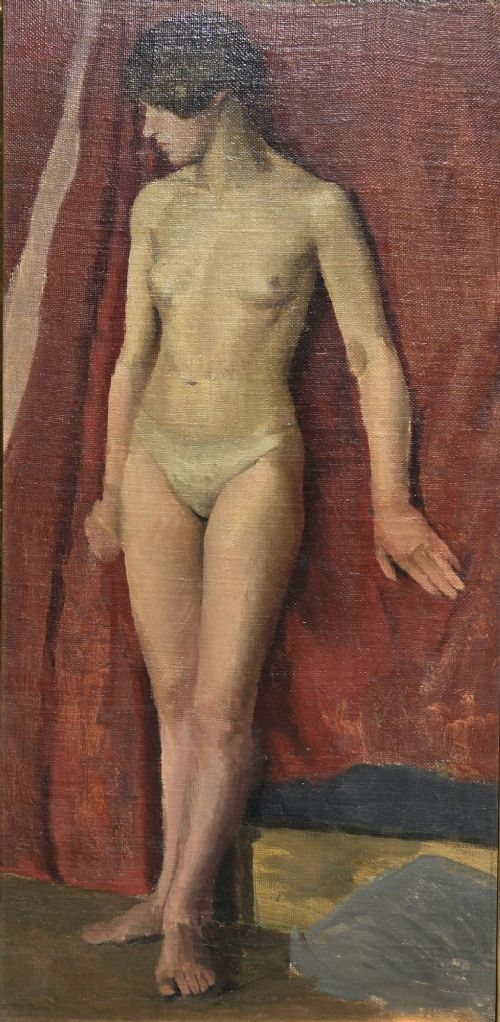
A study is typically a quicker, more direct exploration of a single figure or pose, created to understand form and lighting. These works often show visible brush marks and unblended transitions.
A finished painting represents a fully resolved composition intended for exhibition, featuring greater detail and tonal refinement. Both forms hold equal merit among collectors depending on their interest in the artistic process.