

Vintage Nude Art
Vintage nude art spans centuries of figurative expression, bringing classical form and modernist styling into contemporary interiors through paintings, sculptures and drawings.
Vintage Nude Art
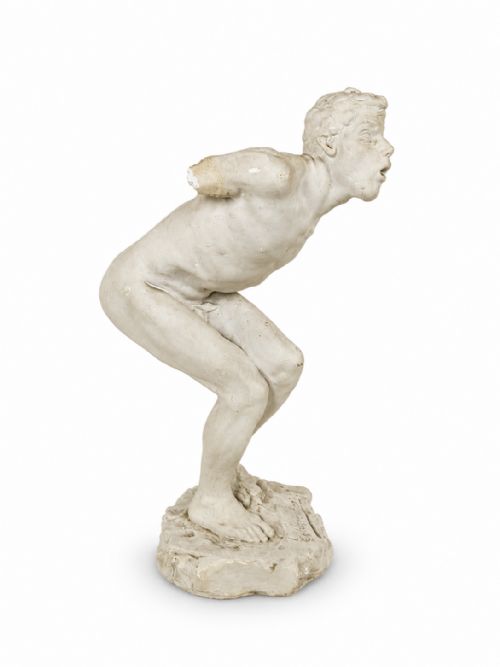
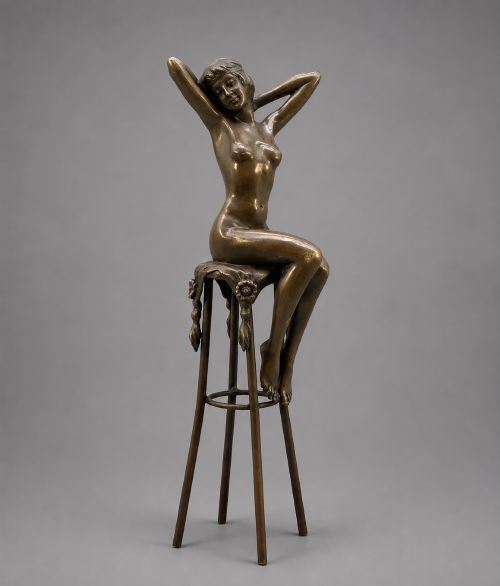
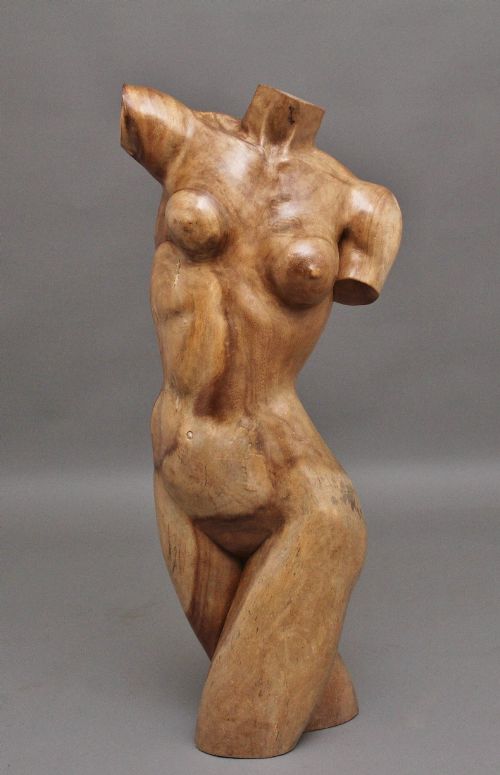
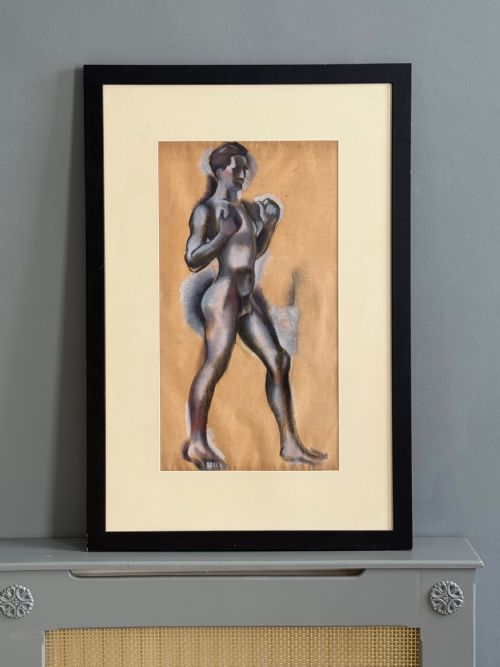
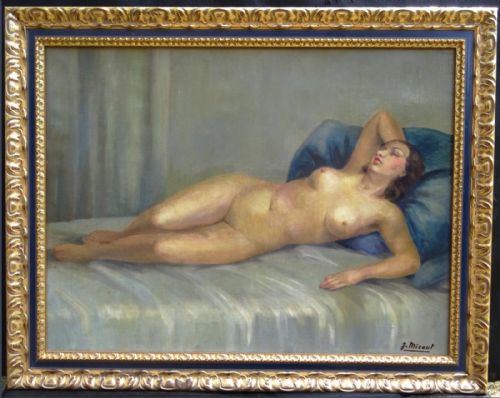
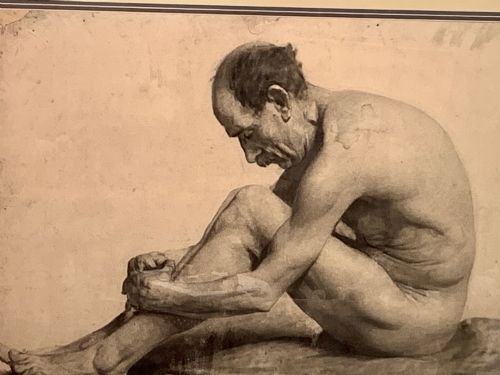
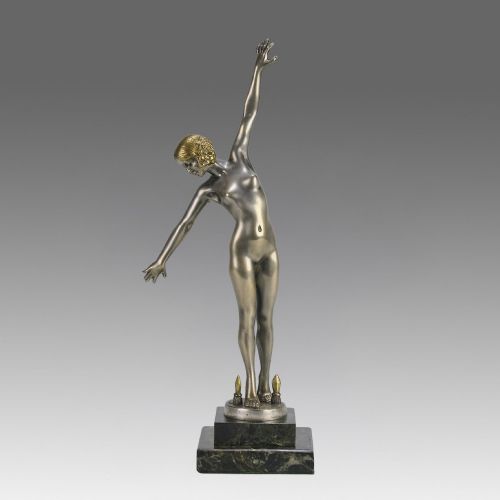
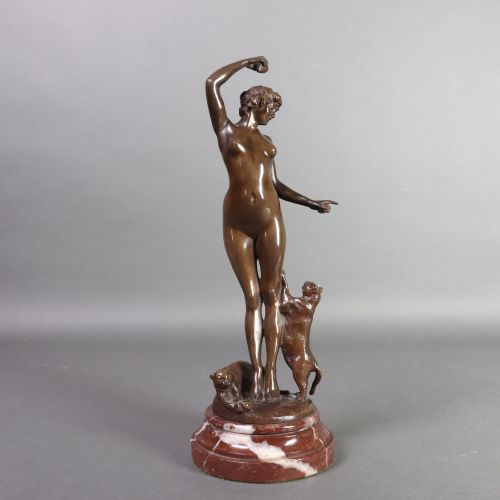
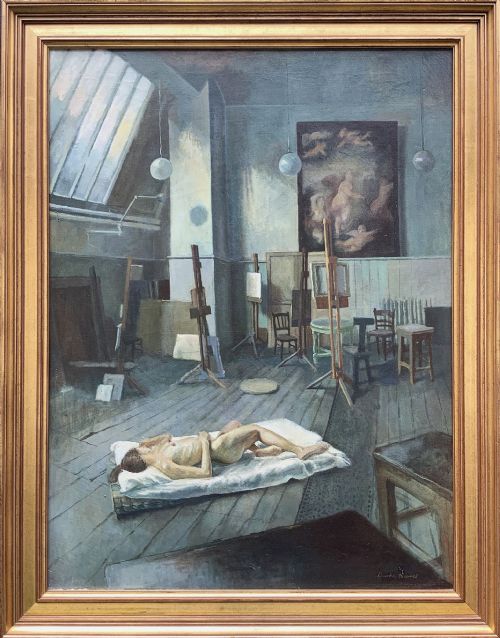
Vintage nude art encompasses a wide range of figurative representations spanning from the nineteenth century through to the mid-twentieth century. Collectors encounter oil paintings, watercolours, sketches, and three-dimensional works in bronze, marble, and spelter.
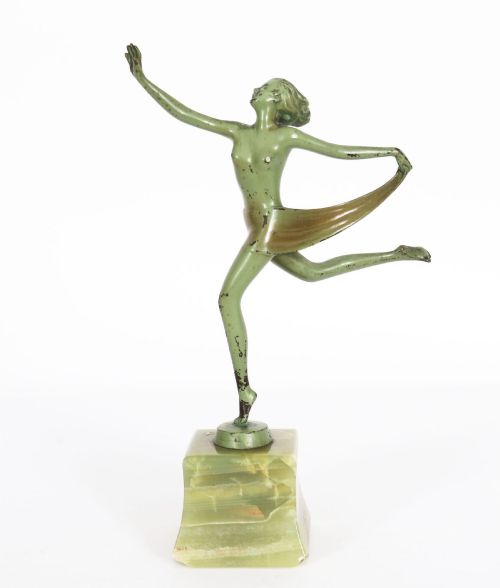
The selection on this page leans heavily towards twentieth-century pieces, notably those reflecting Art Deco, Art Nouveau, and mid-century movements. Forms vary from traditional academic life studies to stylised decorative lamps and figures.
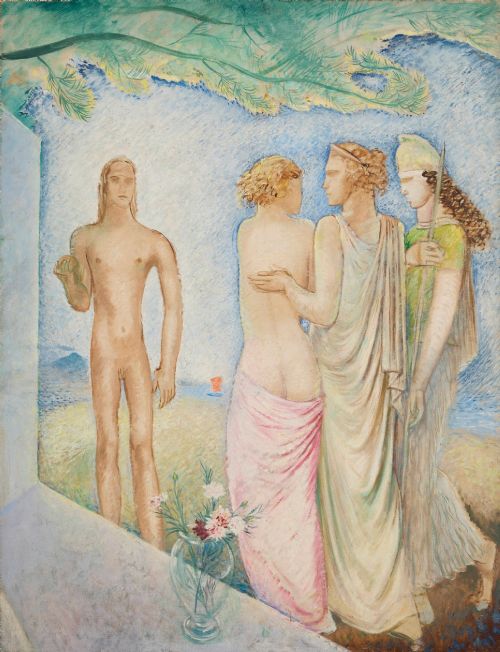
Origins stretch across Britain, France, Belgium, and Italy, capturing diverse regional approaches to the human form. Works range from intimate domestic interiors to grand mythological and allegorical scenes.
How they were made
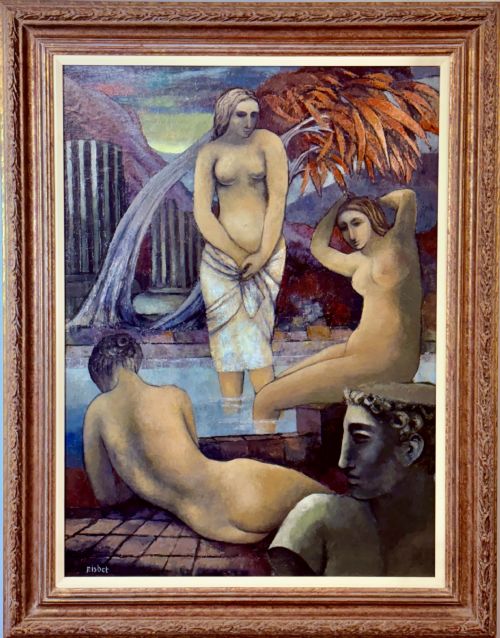
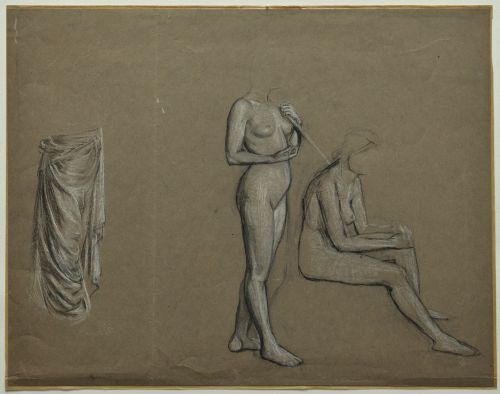
Painters utilised canvas, wood, paper, and board, applying oils, watercolours, charcoal, and mixed media to capture tone and light. Sculptors worked with traditional foundry bronze, carved marble, alabaster, onyx, and cast spelter.
Techniques combine meticulous academic drafting with expressive brushwork, alongside specialised processes like cold-painting on metal and hand-tinting on photographic contact sheets.
Vintage Nude Art Retail Price Guide 2026
Typical asking prices for vintage nude art among the pieces listed under this phrase on Sellingantiques today, from the lower quarter to the upper quarter. They describe what is for sale here now, not the wider market.
Several pieces capture subjects mid-action, including a god playing panpipes and a dancer caught on an Egyptian stage.
What varies in quality
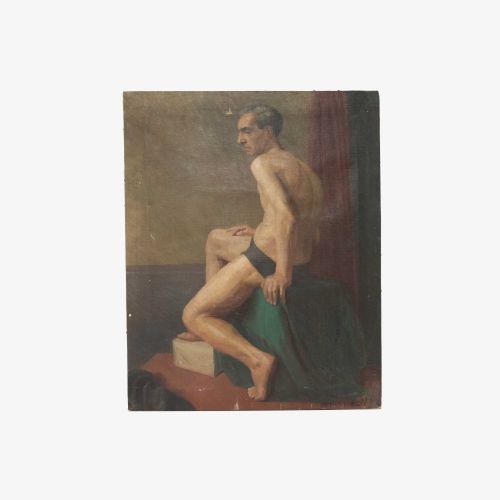
Quality rests upon the artist's command of anatomy, proportion, and line, distinguishing rigorous academic life studies from mass-produced decorative items. Mastery of medium, whether the fluidity of oil paint or the crisp detail of a bronze cast, dictates the distinction of a piece.
The sophistication of the composition and the strength of provenance elevate certain works above standard commercial production. Materials also play a role, with solid carved marble and patinated bronze commanding greater attention than composite or spelter alternatives.
Gustave Dussart·William Etty·Josef Lorenzl·Philippe de Rougemont·Julian Mandel·Augustus John·Henry Arthur Roberts·Margaret Maitland Howard·Raymond Moritz·Tony Giles·Henri Vincent-Anglade·Alexandre-Louis Martin·Gaetan Dumas·Sibylle May·Allan Douglas Davidson·Demetre Chiparus·Demetrios Galanis
The Vintage Nude Art Glossary
- Academic Realism
- A style of painting and sculpture produced under the influence of European academies of art, adhering to strict standards of proportion and finish.
- Spelter
- A zinc alloy frequently utilised as a substitute for bronze in decorative figures and lamps, often given a patinated finish to resemble more costly metal.
- En grisaille
- A painting executed entirely in shades of grey or neutral monochrome, often used to create the illusion of a sculptural relief.
- Cold-painted bronze
- A method where bronze sculptures are painted with natural oil paints after casting, rather than undergoing high-temperature firing.
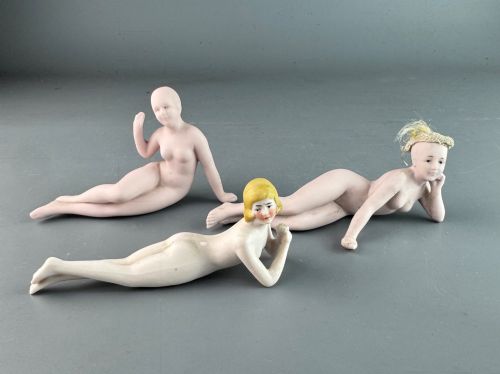
- Recumbent
- Lying down or reclining in a relaxed posture, a frequent pose in classical and modern figurative studies.
Vintage Nude Art: Frequently Asked Questions
What periods do these pieces date from?
The works span from the nineteenth century through the 1960s, capturing shifting artistic movements over multiple decades.
Key eras represented include the Georgian period, Art Nouveau, Art Deco, and mid-century modernism.
How were these artworks created?
Artists employed a variety of traditional mediums, including oil on canvas, pencil drawings, mixed media, and photographic prints.
Sculptural works were fashioned from materials such as bronze, marble, alabaster, onyx, and spelter.
Where do these pieces originate?
The collection includes works by British, French, Belgian, Italian, and Swedish artists and makers.
Continental European studios and academies feature prominently alongside British institutions.
How do I care for mixed media art?
Keep delicate works on paper and canvas away from direct sunlight to prevent fading of pigments and degradation of materials.
Maintain stable indoor humidity levels to protect wooden frames, parchment, and organic sculptural components.