




Vintage Novelty Container
These vintage novelty container pieces take amusing, disguised forms from biscuit tins to snuff boxes, offering collectors a clever blend of utility and wit.
Vintage Novelty Container
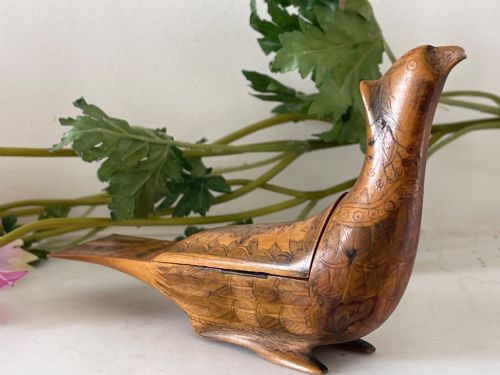
When you search for a vintage novelty container, you encounter an eclectic mix of functional vessels shaped like animals, books, fruit, and everyday objects. These pieces span from the nineteenth century through the mid-twentieth century, encompassing Victorian and Edwardian works alongside Art Deco designs.
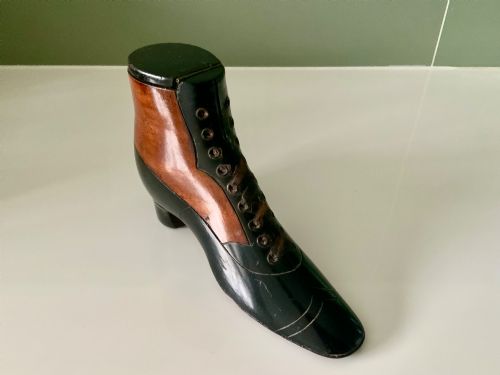
The selections on this page lean heavily towards whimsical biscuit tins, snuff boxes, and tobacco jars fashioned from various materials. Makers transformed mundane storage items into playful conversation pieces that disguised their true purpose within sculptural forms.
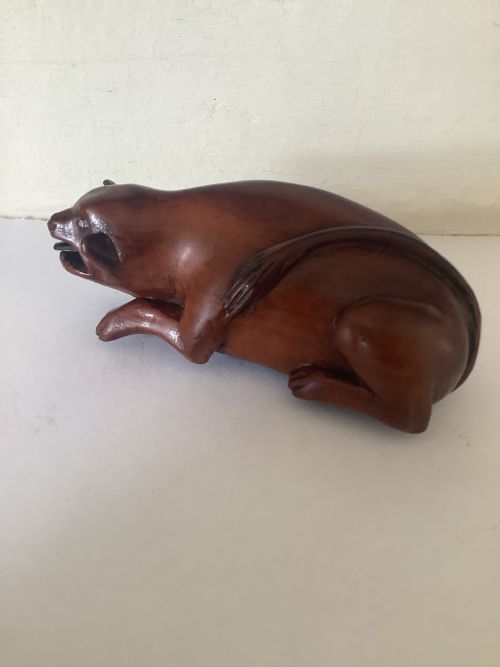
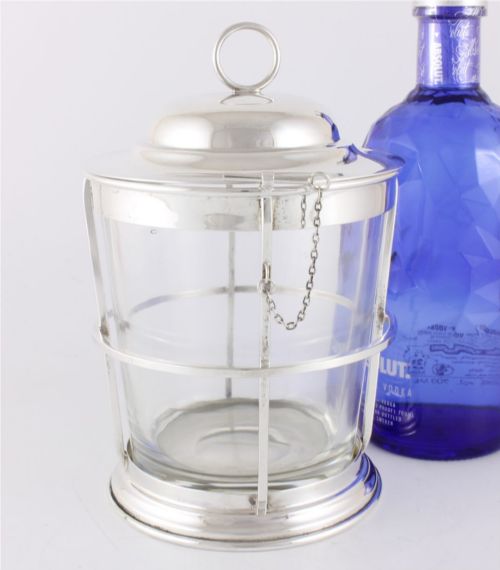
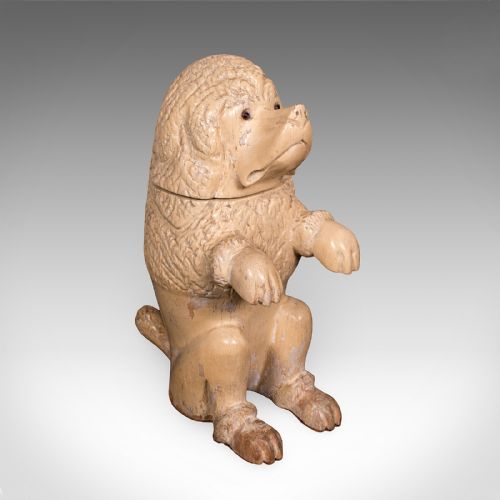
Examples range from carved wooden boots and fruitwood poodles to silver-plated weights and satchels. Buyers find both small tabletop boxes and larger umbrella stands designed to catch the eye in domestic spaces.
How they were made
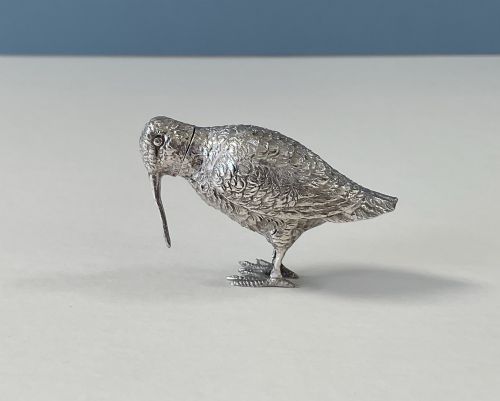
Artisans and factories shaped these items using silver, brass, copper, and silver plate to create metallic vessels with hinged elements and detailed chasing. Other pieces utilise carved hardwood and fruitwood, demonstrating traditional woodworking and naive carving techniques across treen forms.
Makers of tinplate containers employed lithography and specialised stamping to produce decorative biscuit tins modelled as books, tractors, and hat boxes. Silversmiths and manufacturers incorporated functional hallmarks, articulated bodies, and weighted lids into their designs.
Vintage Novelty Container Retail Price Guide 2026
Typical asking prices for vintage novelty container among the pieces listed under this phrase on Sellingantiques today, from the lower quarter to the upper quarter. They describe what is for sale here now, not the wider market.
A nineteenth-century fish box arrives with an articulated body and hinged head, ready to wriggle on the desk.
What varies in quality
The integrity of mechanical elements like hinged heads, lids, and threaded components dictates the usability of the vessel. Original finishes, clear hallmarks, and intact lithography on tins elevate an example above standard production work.
Hukin and Heath·Huntley and Palmers·William Crawfords and Son Ltd·Peek Frean and Co
The Vintage Novelty Container Glossary
- Treen
- Small handmade wooden household objects. These items showcase domestic woodwork and decorative carving.
- Vesta case
- A small pocket box used to hold matches. They frequently appeared in figural or novelty shapes.
- Bisque
- Unglazed white porcelain. This ceramic body gives powder bowls a smooth, matte finish.
- Hallmark
- An official stamp applied to precious metals. It indicates the standard of purity, the maker, and the assay office.
- Articulated
- Jointed or hinged sections that allow movement. Novelty fish and animals often utilise this technique for flexibility.
Vintage Novelty Container: Frequently Asked Questions
What were novelty biscuit tins used for?
These decorative metal containers held commercially produced biscuits for the Edwardian and mid-century parlour. Manufacturers designed them in clever shapes like satchels and hat boxes to tempt buyers on shop counters.
Once emptied of their original contents, households repurposed them to store dry goods or letters. Today they survive as sought-after decorative objects.
How do I identify a Victorian snuff box?
Nineteenth-century examples often use organic materials like carved wood or copper and brass combinations. They frequently take whimsical forms such as boots, bellows, or fish with articulated bodies.
Examine the construction of the hinges and the wear on the material to gauge age. Hand-carving marks and natural patina point towards nineteenth-century production.
Are silver-plated novelty containers marked?
Many silver and silver-plated pieces carry maker stamps, silver hallmarks, or registry numbers. These marks help identify the manufacturer and the exact year of production.
Items without full silver hallmarks may still feature maker credits stamped directly into the metal or printed on the base of tins.
How should I display a novelty container?
These sculptural vessels suit tabletops, shelves, and mantelpieces where guests can inspect their humorous details. Placing them among traditional wares highlights their unusual forms.
Keep wooden and tin items away from direct sunlight and moisture to preserve their original painted surfaces and natural patinas.