


Vintage Nomadic Weaving
Vintage nomadic weaving comprises handmade wool textiles, rugs, and functional tribal bags created by pastoral groups across Persia, Anatolia, Central Asia, and the Caucasus.
Vintage Nomadic Weaving
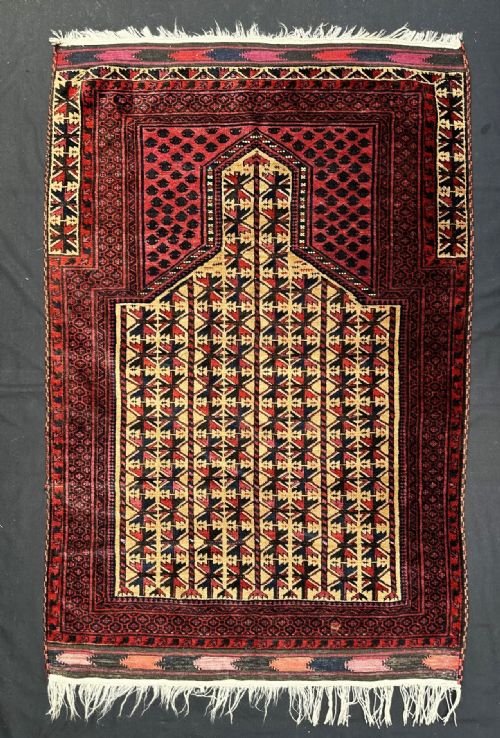
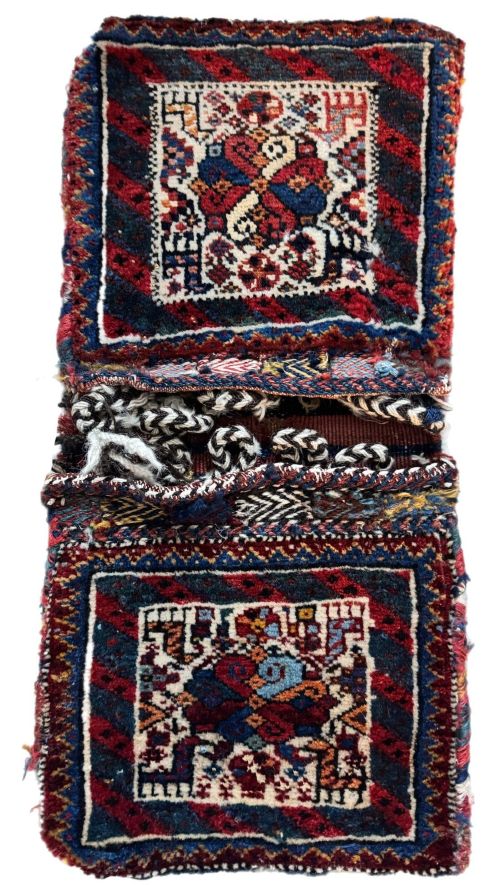
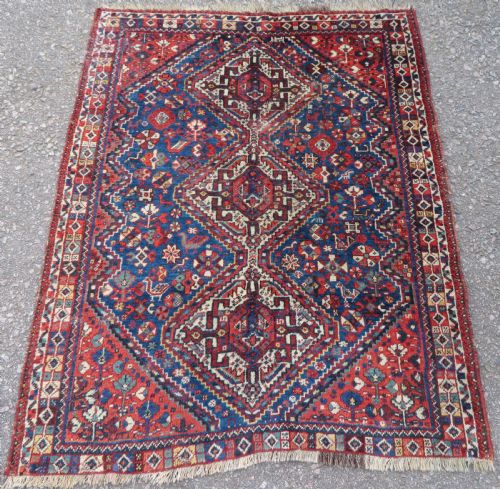
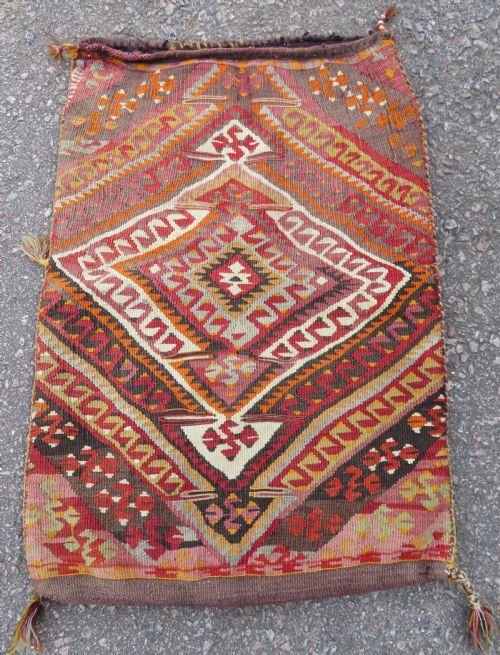
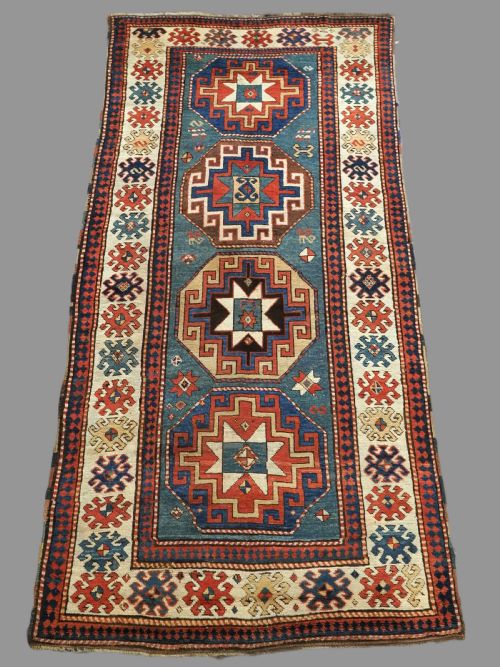
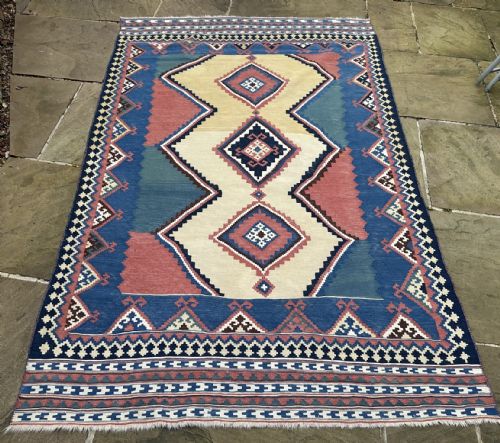
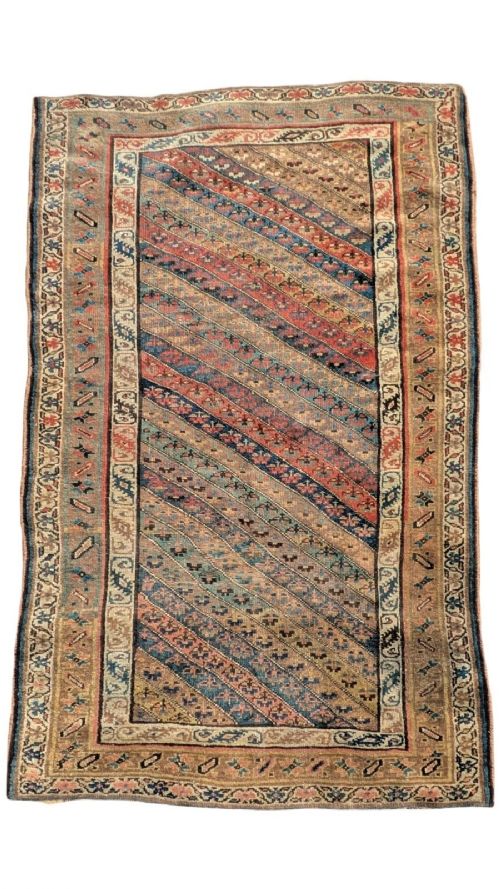
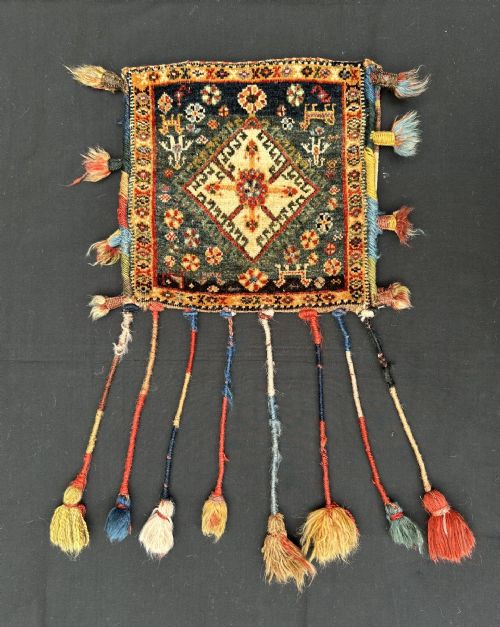
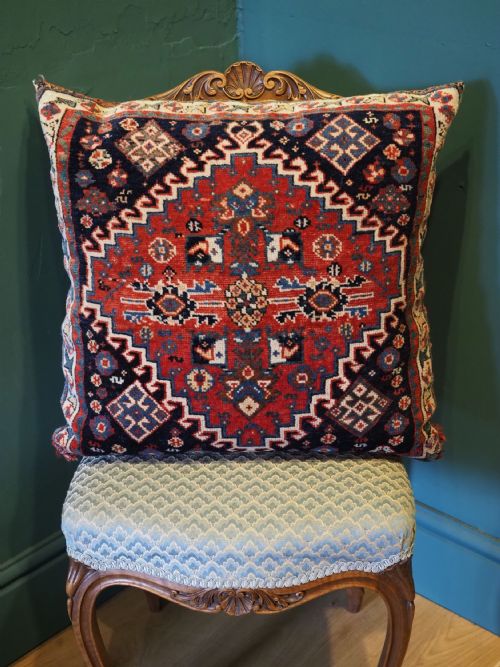
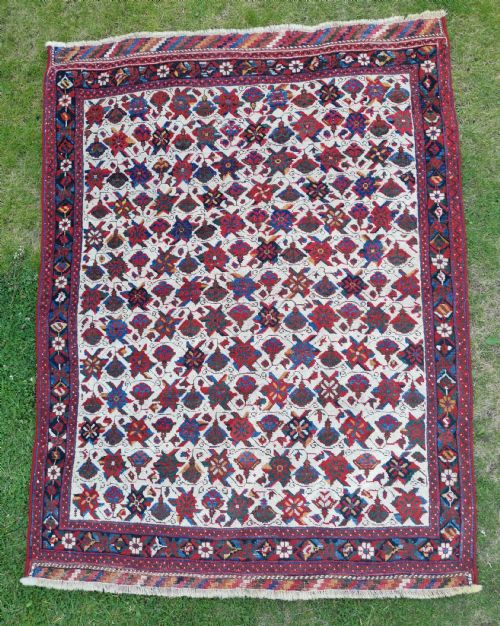
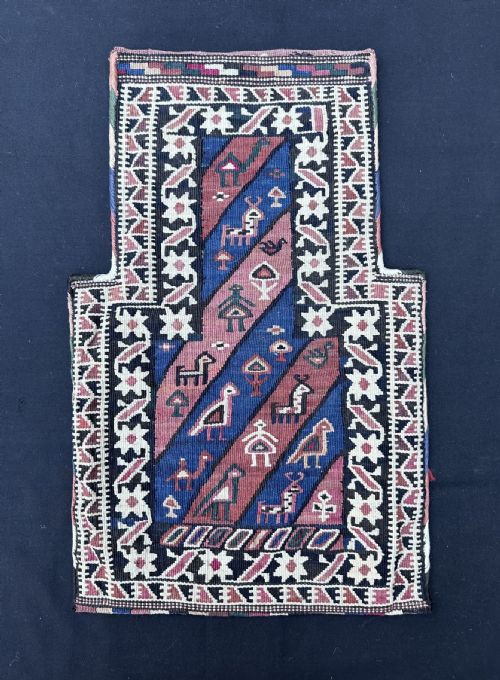
Vintage nomadic weaving consists of textiles created by pastoral and tribal groups for daily use, transport, and shelter. When exploring vintage nomadic weaving, buyers encounter utilitarian items such as saddle bags, storage sacks, tent door rugs, and animal trappings alongside floor carpets and prayer rugs. These pieces originate from distinct tribal confederacies and regions, including Qashqai, Turkmen, Baluch, Afshar, and Khamseh groups.
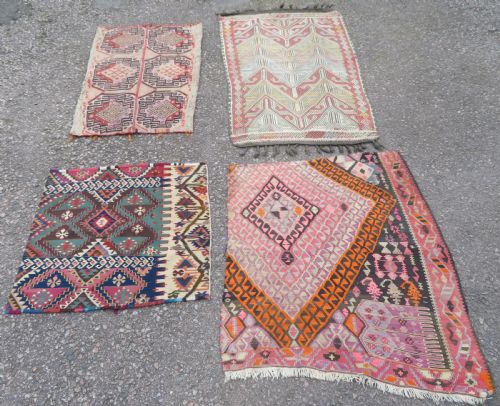
The objects on this page span the late nineteenth and early twentieth centuries, reflecting traditional domestic production before commercial standardised manufacturing took over. Floor rugs and flatwoven kilims appear alongside smaller bagfaces and trapping fragments that retain their original structural integrity. Each piece bears the distinct geometric and medallion motifs of the specific tribe that wove it.
Materials and construction methods
These textiles rely predominantly on hand-spun wool for both the pile and the foundation structure, sometimes incorporating cotton foundations or supplementary elements like leather, wood, and glass beads. The wool is dyed using natural colour sources, producing rich tones that age with subtle shifts in shade. Artisans employ knotting and flatweaving techniques suited to portable vertical or horizontal looms set up in camps.
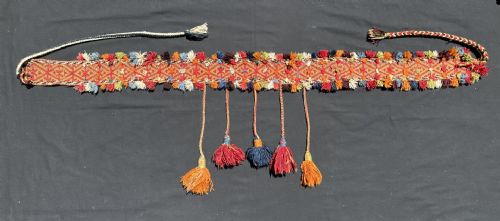
The structural weave varies according to the specific tribal tradition, from the sturdy soumak and tapestry-woven kilims to dense pile carpets. Edges and ends often retain original finishes, braids, and tassels that indicate regional weaving practices. Hand-spun yarns give the surfaces a tactile variation and irregular texture unique to non-industrial textile production.
Vintage Nomadic Weaving Retail Price Guide 2026
Typical asking prices for vintage nomadic weaving among the pieces listed under this phrase on Sellingantiques today, from the lower quarter to the upper quarter. They describe what is for sale here now, not the wider market.
Listings feature wool, cotton, and natural dyes across styles originating from Persian, Turkmen, Caucasian, and Anatolian tribal groups.
Factors determining quality
Quality in these textiles rests upon the fineness of the spin, the density of the knotting, and the clarity of the design drawing. Superior examples exhibit vibrant, saturated natural dyes and precise execution of complex geometric or pictorial motifs. The handling of secondary details, such as the quality of the wool used for the foundation and the preservation of original borders and tassels, marks the distinction between standard and exceptional pieces.
Structural integrity also dictates value, where pieces retaining their complete original dimensions or functional completeness - such as intact bag backs or animal trappings - command greater interest. The stability of the weave and the absence of clumsy modern repairs preserve the artistic intent of the original weaver. Well-preserved condition combined with strong chromatic balance elevates an individual textile.
The Vintage Nomadic Weaving Glossary
- Kilim
- A flatwoven textile produced without a pile, commonly utilised for floor coverings, covers, and utilitarian sacks. These pieces rely on interlocking weft threads to create sharp geometric patterns.
- Khorjin
- A traditional double-saddle bag woven for transport on horses, camels, or donkeys during seasonal migrations. Complete pairs feature two symmetrical pouches joined by a central slit.
- Kapunuk
- A decorative tent door hanging produced by Turkmen tribes to frame the entrance of a nomadic yurt. These architectural textiles display specific tribal guls and protective motifs.
- Asmalyk
- A pentagonal trapping hung on the flanks of a camel during Turkmen wedding processions. They showcase elaborate borders and symbolic geometric ornamentation.
- Gul
- A medallion or repeated octagonal motif characteristic of Turkmen and Central Asian tribal weaving. Each major tribe utilises distinct variations of these primary crests.
Vintage Nomadic Weaving: Frequently Asked Questions
How were these tribal bags used?
Nomadic groups utilised bags, sacks, and trappings for storing grain, bedding, salt, and personal belongings inside portable tents or during seasonal migrations across the steppes and mountains.
Items such as saddle bags and animal decorations also served a decorative and ceremonial function during weddings, market days, and tribal gatherings.
What distinguishes Baluch weaving?
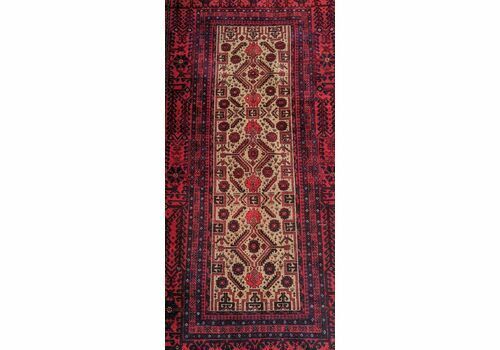
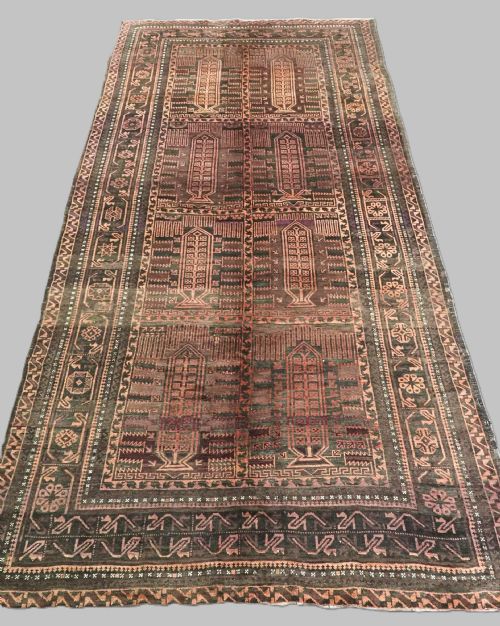
Baluch textiles from the borderlands of Persia and Afghanistan typically feature deep indigo grounds, dark brown wools, and rich camel-hair accents combined with geometric 'pencil box' or tree-of-life motifs.
These pieces often incorporate supple wool and compact formats well-suited for portable floor coverings or utility bags.
Are these textiles suitable for modern floors?
Many smaller rugs, long runners, and flatweaves function effectively as floor coverings in low-traffic areas when paired with an appropriate non-slip underlay. Thinner bagfaces and delicate hangings are better suited for display on walls to protect the historic structure from wear.
Regular rotation and gentle maintenance help preserve the natural wool pile and antique dyes in contemporary interiors.