





Vintage Nomadic Pouch
These vintage nomadic pouch pieces are authentic tribal bags and textiles offering a tangible piece of nomadic heritage.
Vintage Nomadic Pouch
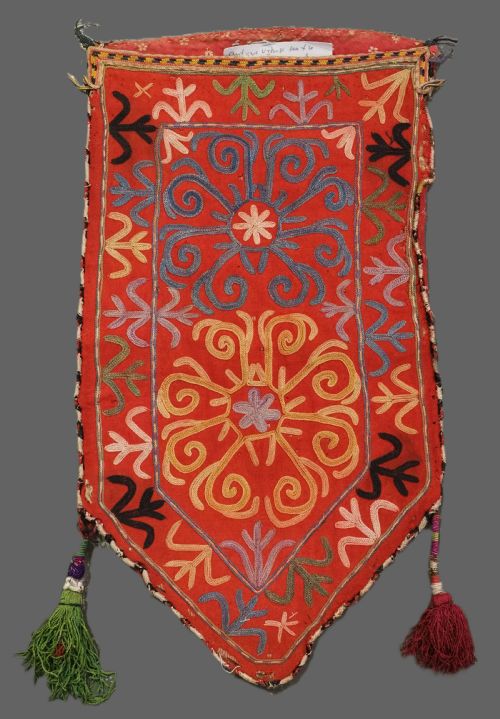
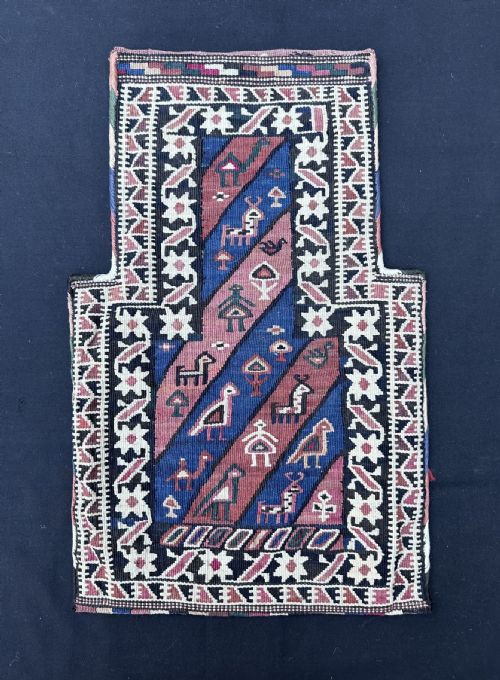
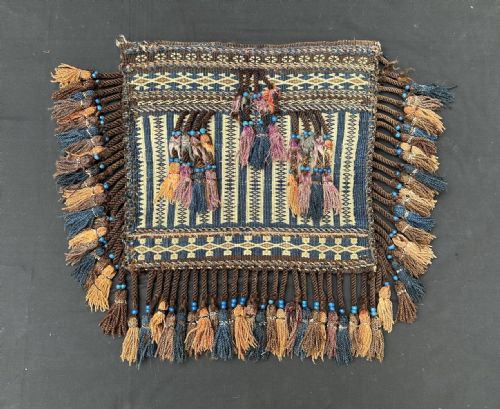
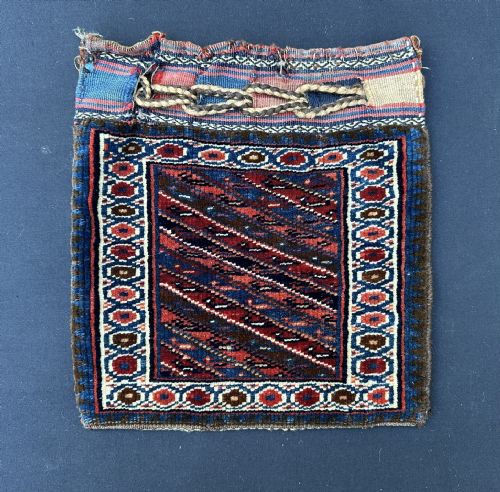
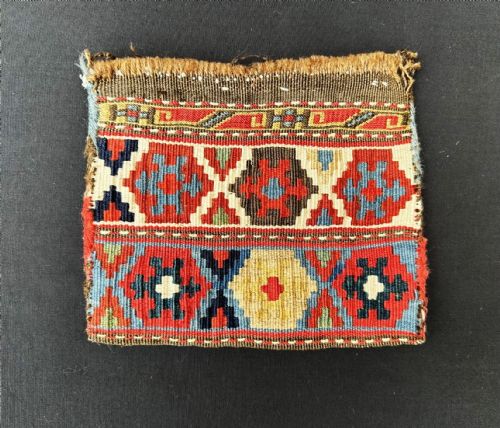
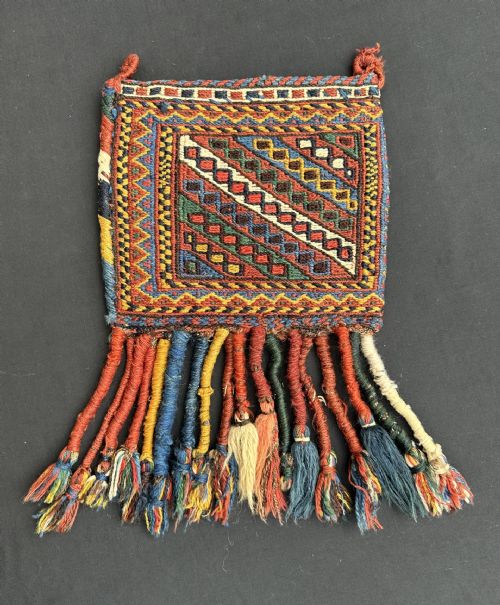
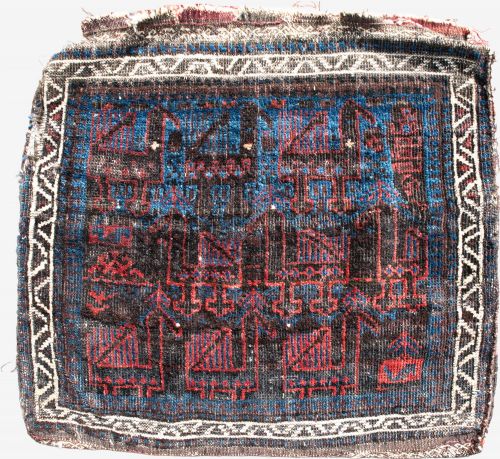
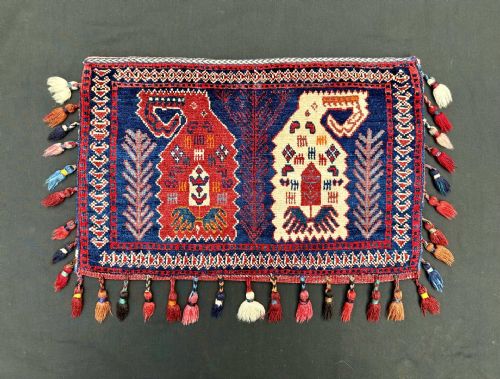
When you search for a vintage nomadic pouch, you encounter genuine tribal textiles created by weaving groups across Persia, Central Asia, and neighbouring regions. These pieces include vanity-bags, storage-bags, salt-bags, and torbas that served practical functions within nomadic daily life.
On this page, you are most likely to meet pieces originating from Persian confederacies and tribes such as the Baluch, Afshar, Qashqa'i, and Shahsevan, alongside Central Asian groups like the Lakai Uzbeks and Tekke Turkmen. Dating spans from the mid nineteenth century through to the early twentieth century.
Forms vary from half saddle-bags and double-faced torbas to wall hangings and decorative storage pouches. Each object reflects the specific utilitarian needs and distinct visual culture of the tribe that produced it.
Materials and construction
These textiles rely principally on wool and cotton foundations, often worked with natural dyes that yield deep, enduring colour. Artisans also integrated silk and glass beads to embellish specific designs on vanity-bags and storage pouches.
Techniques range from intricate pile weaving to banded weft work and double-faced construction, frequently finished with original plain weave backs. The combination of durable wool and precise weaving ensured these bags could withstand the rigours of nomadic migration.
Vintage Nomadic Pouch Retail Price Guide 2026
Typical asking prices for vintage nomadic pouch among the pieces listed under this phrase on Sellingantiques today, from the lower quarter to the upper quarter. They describe what is for sale here now, not the wider market.
Listings span from eighteen-fifty to nineteen-twenty, featuring wool, cotton, natural dyes, silk, and glass beads across Persian and Central Asian tribal origins.
Quality and craftsmanship
The standard of a vintage nomadic pouch rests on the fineness of the weave, the complexity of the tribal design, and the vibrancy of the natural dyes utilised. Superior examples display tight knotting and harmonious colour palettes that have aged gracefully.
Completeness also dictates distinction, with pieces retaining their original backs, double-faced structures, or complete torba formats commanding greater appreciation. The crispness of regional motifs, whether Persian tribal or Central Asian, marks the work of skilled weavers.
The Vintage Nomadic Pouch Glossary
- Torba
- A small Turkmen wall hanging or storage bag traditionally used in nomadic tents. These pieces often feature distinctive gul motifs and are frequently found complete with plain weave backs.
- Gul
- A medallion-like primary design element repeated across Turkmen and Central Asian tribal carpets and bags. Each pattern typically identifies a specific tribe or clan.
- Ilgich
- A Central Asian hanging or bag associated with Lakai Uzbek tribes. These textiles often exhibit bold embroidery or intricate weaving styles.
- Banded Weft Work
- A decorative weaving technique involving distinct horizontal stripes of contrasting colour or texture. This method adds structural rigidity and visual rhythm to storage bags.
Vintage Nomadic Pouch: Frequently Asked Questions
What is a nomadic pouch?
A nomadic pouch is a functional textile created by tribal groups for storage, transport, or personal use during migration.
These pieces include vanity-bags, salt-bags, and torbas made from materials like wool and cotton.
How were these bags used?
Nomads utilised these pouches inside tents and during travel to store domestic items, personal belongings, or salt.
Many functioned as utilitarian containers before transitioning into decorative wall hangings and treasured textile art.
How do I identify different tribes?
Tribal attribution relies on specific design motifs, colour palettes, and structural formats unique to regions like Persia or Central Asia.
Names such as Baluch, Afshar, and Tekke Turkmen denote distinct weaving traditions and geographic origins.
How should I care for a textile?
Protect these antique wool and cotton pieces from direct sunlight to preserve the natural dyes.
Gentle vacuuming with a mesh screen or professional textile cleaning helps maintain the integrity of the weave.