





Vintage Nomadic Bag
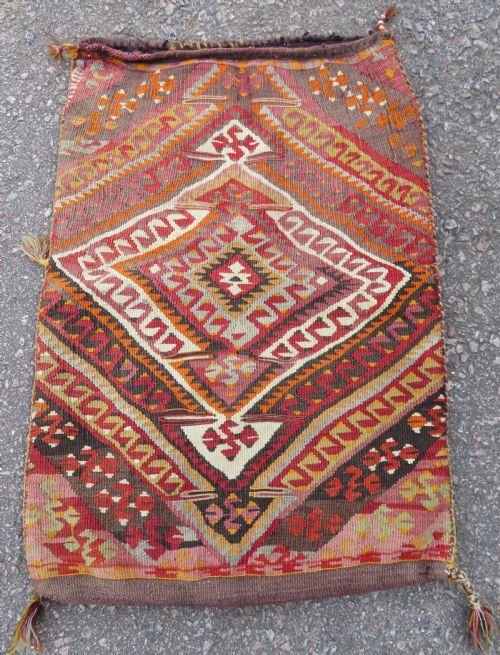
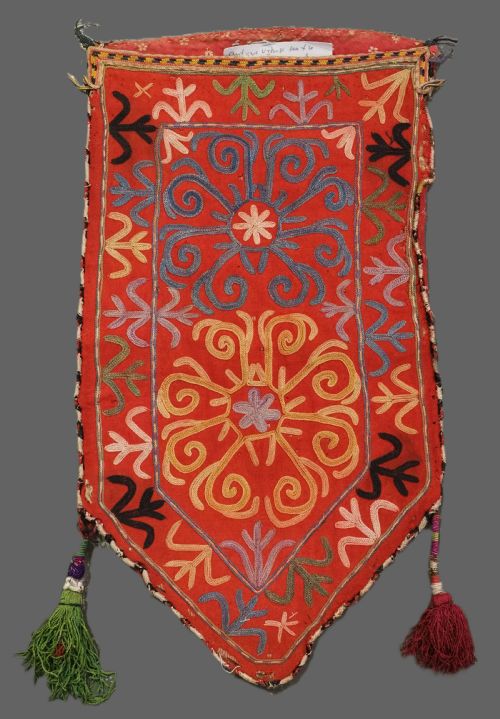
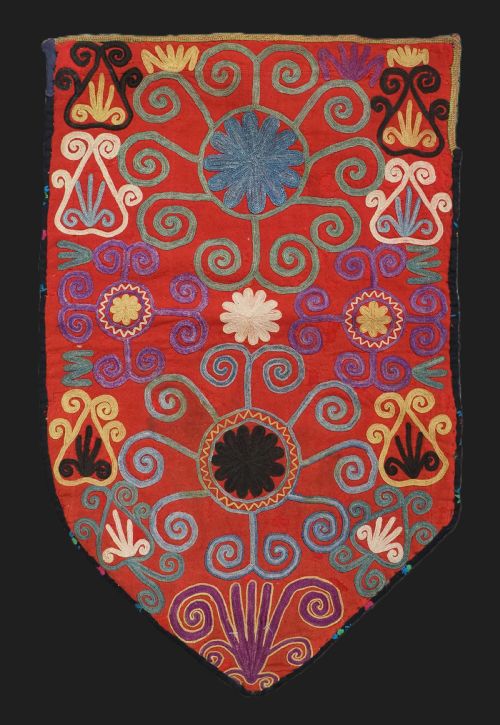
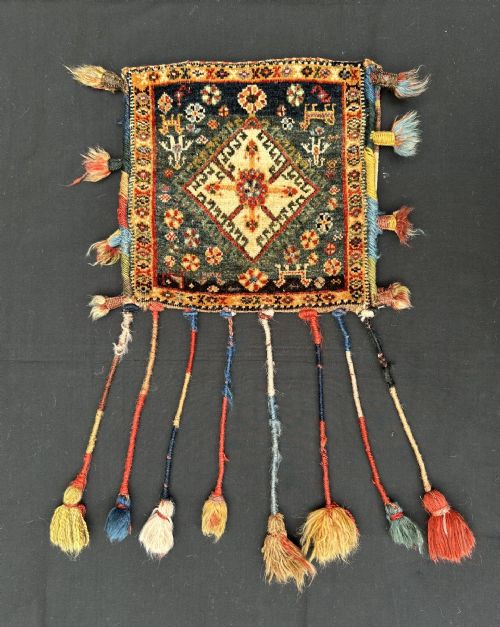
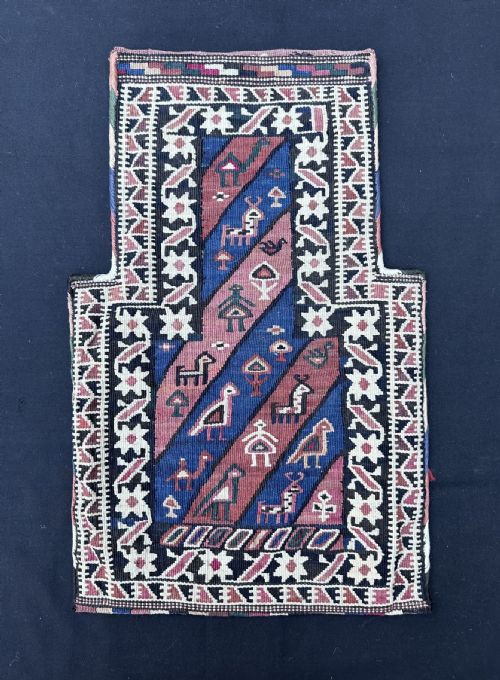
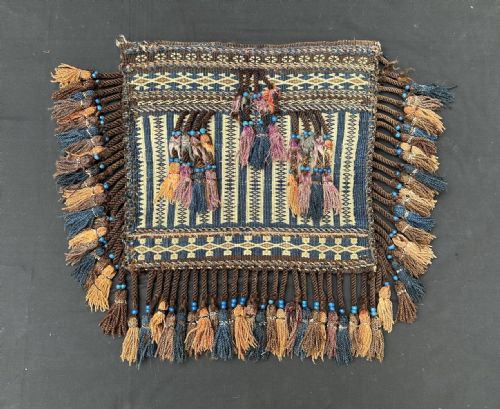
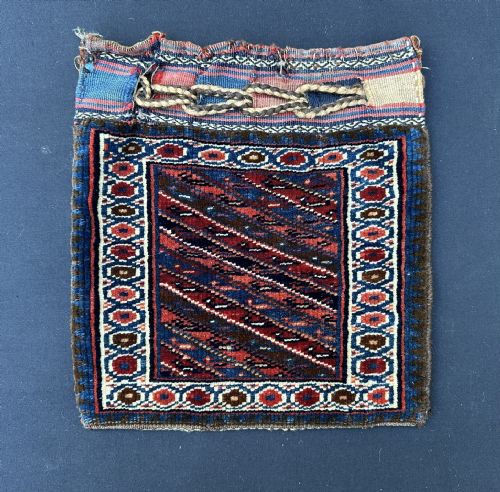
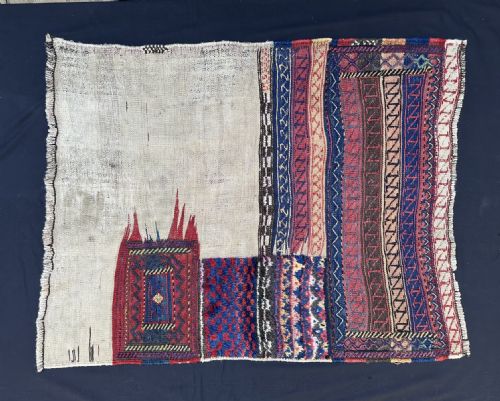
When you search for a vintage nomadic bag, you encounter woven tribal receptacles originating from Central Asia and Persia.
Vintage Nomadic Bag
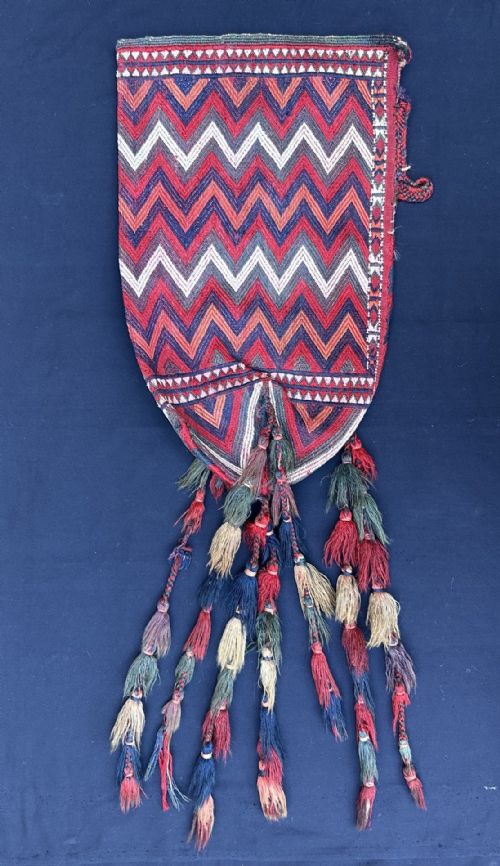
A vintage nomadic bag encompasses functional containers such as salt bags, storage sacks, vanity bags, and horse gear ornaments made by tribal groups.
The selections recorded here span from the mid-nineteenth century through the early twentieth century, reflecting the weaving traditions of Persian and Central Asian nomads.
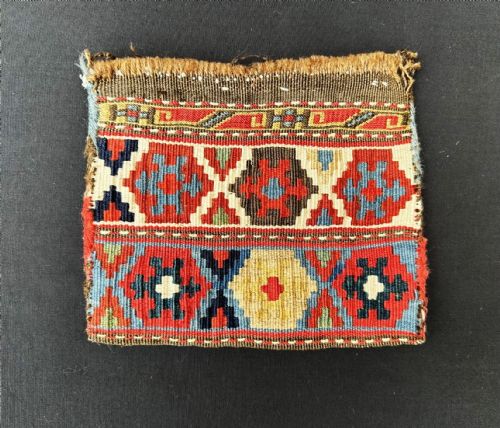
Pieces frequently appear as bag faces separated from their original utility backs, or complete storage sacks utilised within tribal encampments.
Materials and construction methods
Weavers utilised hand-spun wool and cotton foundations, occasionally incorporating silk details and glass beads for ornamentation.
Natural dyes provide the palette for these textiles, combined with goat hair for durable selvedges and structural reinforcement.
Techniques range from pile knotting to flatweave structures such as sumac and tapestry weave, depending on the tribal group and intended function.
Vintage Nomadic Bag Retail Price Guide 2026
Typical asking prices for vintage nomadic bag among the pieces listed under this phrase on Sellingantiques today, from the lower quarter to the upper quarter. They describe what is for sale here now, not the wider market.
Nomads wove utilitarian grain sacks with such intricate detail that ordinary pack animals travelled decorated like tribal chiefs.
Standards of craftsmanship
The fineness of the knotting or the tightness of the flatweave directly influences the clarity of geometric motifs and tribal symbols.
Depth and variation within natural dye lots indicate the skill applied during the preparation and dyeing of the wool.
Completeness alters the character of a piece, distinguishing intact storage sacks with original backs and hanging loops from isolated bag faces.
The Vintage Nomadic Bag Glossary
- Torba
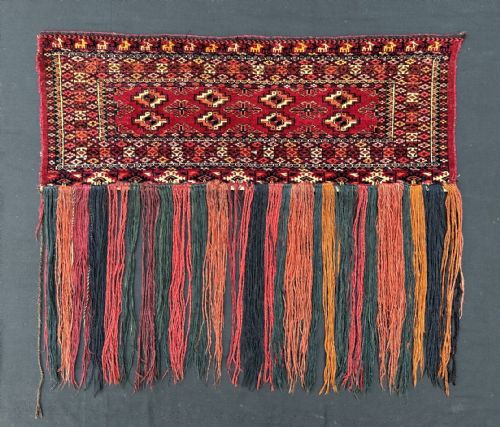
- A small Turkmen storage bag traditionally hung inside a tent. These pieces often feature rows of guls and decorative hanging loops.
- Chuval
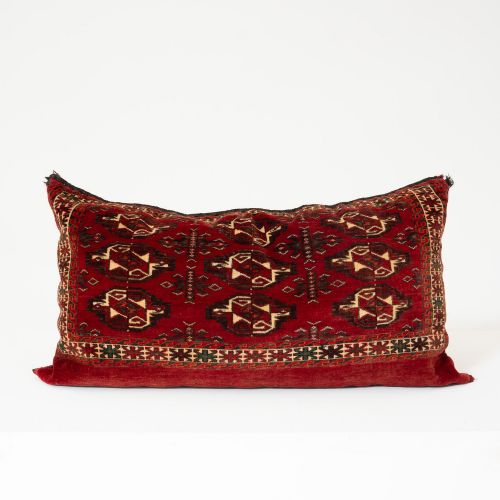
- A large Turkmen tent bag utilised for bedding and household storage. They display prominent repeating primary guls across the face.
- Khorjin
- A traditional double saddlebag used for transport on animals. Surviving examples frequently appear separated into individual bag faces.
- Gul
- A medallion motif repeated across Turkmen and Central Asian tribal textiles. Each tribal grouping developed distinct variations of this geometric design.
- Ilgich
- A decorative hanging or storage piece associated with Uzbek and Lakai groups. They often incorporate silk embroidery on wool grounds.
Vintage Nomadic Bag: Frequently Asked Questions
What were nomadic bags used for?
Nomadic tribes utilised these woven containers for practical storage inside tents and for transport during seasonal migrations. Families stored salt, grain, clothes, and bedding within these specialised receptacles.
Larger sacks functioned as permanent container units within the dwelling, whilst smaller pouches served personal needs or ornamented riding animals.
How do I identify tribal origins?
Tribal attribution relies on specific structural traits, colour palettes, and repeating geometric motifs unique to each group. Turkmen weavers favoured deep red grounds and octagonal guls, whilst Persian nomadic groups incorporated varied indigo blues and tribal field patterns.
Examining the weave structure and edge finishes provides further clues to the specific region and confederacy.
How should I display a bag face?
Bag faces mount successfully onto linen-backed stretcher frames or hang from custom non-damaging textile rails. Proper mounting distributes the weight evenly across the wool structure without stressing the original foundation threads.
Placement away from direct sunlight preserves the natural dye colours over time.
What is the difference between a torba and a chuval?
A torba is smaller in format, designed as a compact storage bag for smaller items within the tent. A chuval is significantly larger, created specifically for storing heavy bedding and household effects.
Both forms display characteristic tribal gul patterns associated with Turkmen weaving traditions.