



Vintage Needlework Stand
A vintage needlework stand brings utility and hand-worked charm to a room, holding threads, fabrics, and framed stitches in traditional forms.
Vintage Needlework Stand
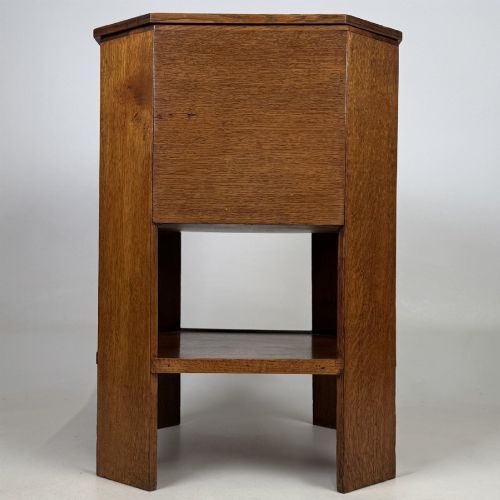
A vintage needlework stand encompasses a varied group of furnishings designed for sewing and display, ranging from freestanding pole screens and tapestry frames to sewing work tables and sewing boxes on stands. When searching for a vintage needlework stand, buyers encounter pieces from the Regency, Victorian, and Edwardian eras, alongside items from the nineteenth century and around nineteen-twenty.
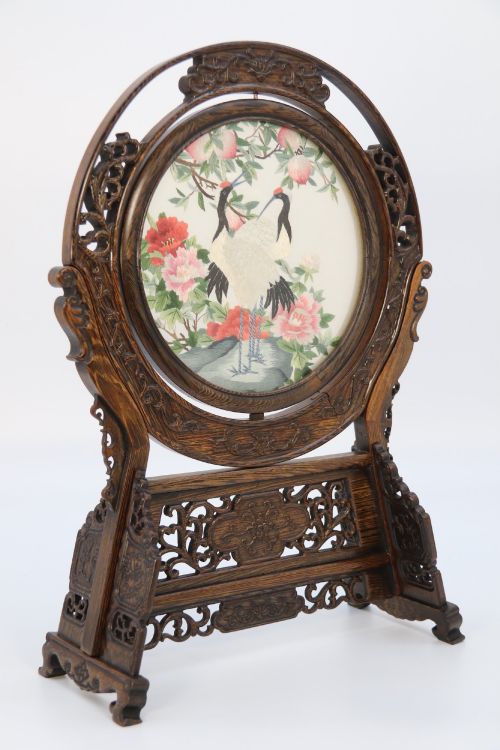
Many examples double as firescreens or table screens, integrating glass, brass, silk, and tapestry panels into their construction. These objects served both practical and decorative purposes in period interiors, keeping materials close to hand while exhibiting needlepoint pictures or intricate embroidery.
How they were made
Cabinetmakers utilised hardwoods such as mahogany, satinwood, satin walnut, rosewood, and oak for the frames, stands, and boxes. These timbers were frequently polished, carved, or inlaid to create durable and decorative items for the home.
Surface decoration and textile elements relied on specialist craftsmanship, incorporating silk embroidery, tapestry, needlepoint, and fabric panels. Details such as glass and brass fittings were added to secure screens and enhance the adjustable mechanisms.
Vintage Needlework Stand Retail Price Guide 2026
Typical asking prices for vintage needlework stand among the pieces listed under this phrase on Sellingantiques today, from the lower quarter to the upper quarter. They describe what is for sale here now, not the wider market.
Several pieces feature rotating display stands and adjustable poles, built so someone could spin their embroidery away from prying eyes.
What varies in quality
The standard of carving and joinery determines the structural merit of each stand, with grand proportions and finely turned or carved bases distinguishing superior examples. Inlaid woodwork and portrait decoration reflect a higher level of artisan skill.
The condition and execution of the textile component dictate visual appeal, where hand-worked needlepoint, detailed tapestry work, and double-sided silk embroidery show greater artistry than simpler fabric inserts.
The Vintage Needlework Stand Glossary
- Pole screen
- A vertical screen mounted on a pole with a tripod or heavy base, designed to shield a person's face from the heat of an open fireplace. The screen panel usually adjusts in height along the pole.
- Tapestry frame
- A wooden frame used to stretch fabric taut while needlework or embroidery is applied. Adjustable versions allow the worker to alter the tension and angle of the work.
- Sewing work table
- A small occasional table fitted with drawers, compartments, or a fabric bag underneath to hold sewing accessories, wools, and threads. These tables combine workspace with storage.
- Etui
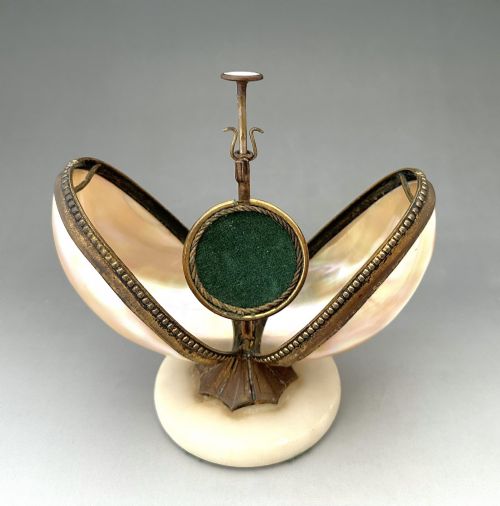
- A small decorative case or box used for holding needles, scissors, and other small sewing implements. Palais Royal examples are particularly noted for fine materials such as mother-of-pearl.
- Needlepoint
- A type of counted thread embroidery stitched on a stiff open-weave canvas. It forms durable panels frequently seen mounted in firescreens and table screens.
Vintage Needlework Stand: Frequently Asked Questions
What is a pole screen used for?
A pole screen protected the face from the intense heat of an open coal fire. Ladies used them to prevent their makeup from melting.
Over time, many pole screens were adapted or valued purely for the decorative needlework panel mounted on the adjustable stand.
How do I date a sewing table?
Dating relies on timber choice, construction methods, and stylistic cues from periods like Regency, Victorian, or Edwardian. Mahogany and rosewood are common in earlier pieces, while satin walnut often points to later eras.
Hardware, joinery details, and the style of inlay help narrow down the decade of manufacture.
Can I use these for actual sewing?
Many sewing work tables and stands retain their internal compartments and boxes, making them practical for storing modern threads and tools. Adjustable tapestry frames can still be used for stitching projects.
Care should be taken with fragile antique textiles and aged hardwood joints during regular use.
What is the difference between a table screen and a firescreen?
Firescreens are typically larger freestanding items designed to stand on the floor near a hearth. Table screens are scaled down to sit upon a surface like a desk or cabinet.
Both types share similar decorative needlework or embroidered panels framed in wood.