



Vintage Needlework Case
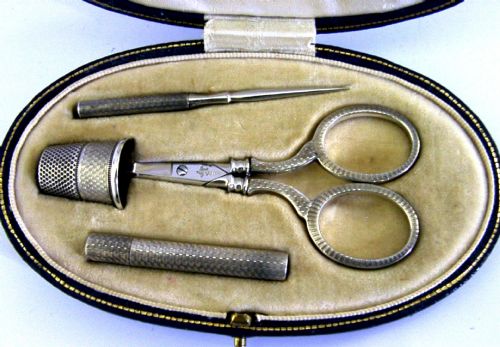
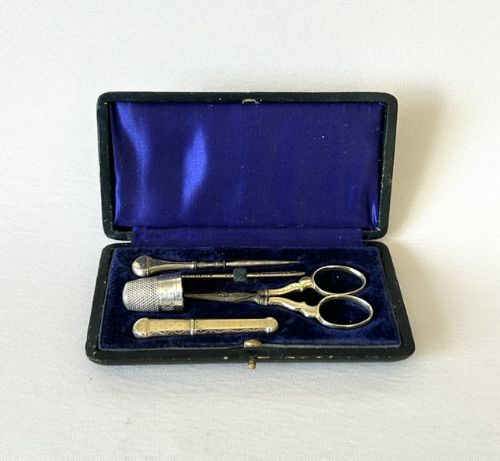
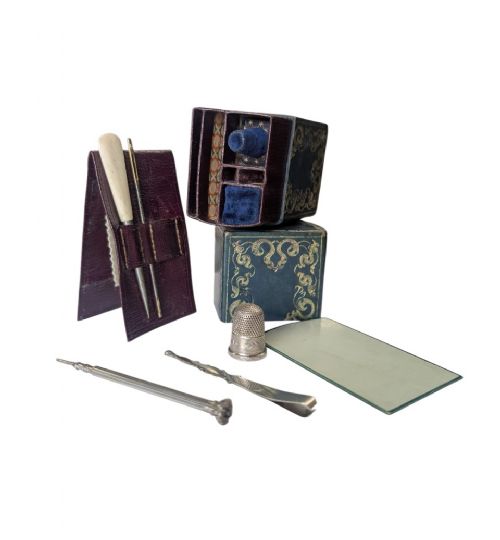
These vintage needlework case items are small portable receptacles for sewing tools that combine practical storage with decorative refinement.
Vintage Needlework Case
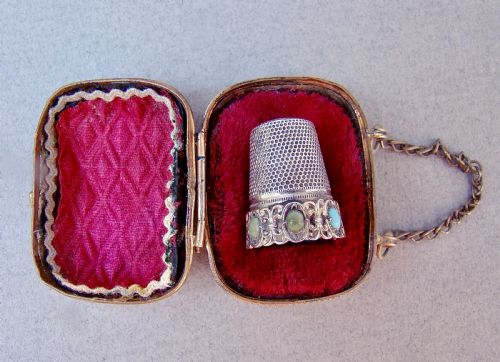
A vintage needlework case serves to keep sewing tools, threads, and thimbles organised and protected when not in use. When you search for a vintage needlework case, you encounter various forms including sewing boxes, etui cases, chatelaine cases, and specialised holders.
The selections span from the Georgian period through the Victorian era and into the nineteenth century. Common configurations range from simple turned wood boxes to elaborate French gilt metal and silver gilt compendiums.
How they were made
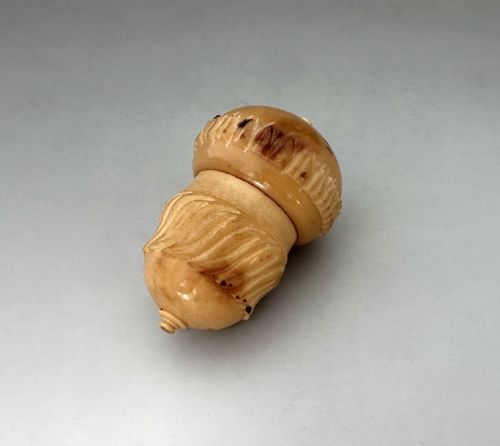
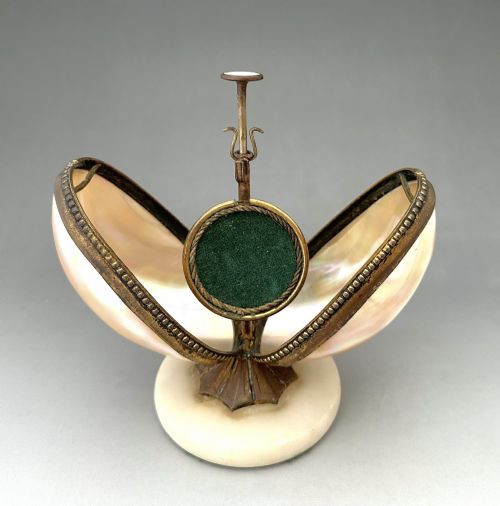
Maker materials include turned wood, boxwood, corozo nut, mother-of-pearl, velvet, silk, and leatherette, often paired with metal mounts. Artisans shaped these organic materials into bespoke shapes designed to house delicate embroidery instruments.
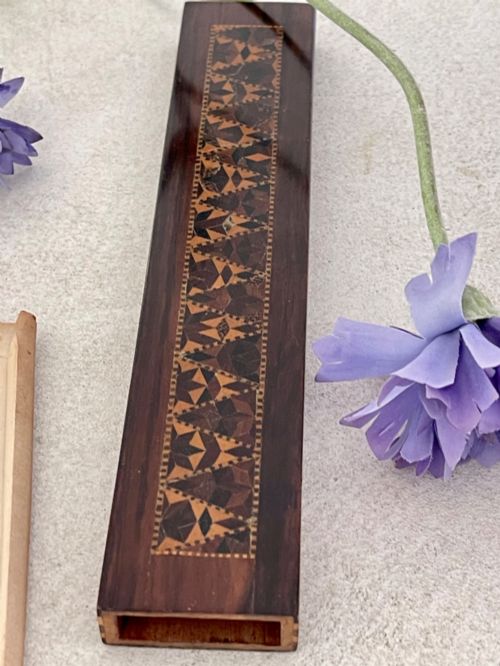
Metal components utilise silver, silver gilt, gilt metal, and ormolu, sometimes combined with stone settings. Specialised decorative techniques such as Tunbridge Ware mosaic work and Chinoiserie embellishment decorate the exterior surfaces.
Vintage Needlework Case Retail Price Guide 2026
Typical asking prices for vintage needlework case among the pieces listed under this phrase on Sellingantiques today, from the lower quarter to the upper quarter. They describe what is for sale here now, not the wider market.
Corozo nut cases offer a surprisingly tactile alternative to precious metals, carved from the sturdy seed of the ivory palm.
What varies in quality
Quality depends on the precision of the materials used, from simple turned boxwood to intricate mother-of-pearl and silver gilt constructions. Finer examples feature precious metals, gemstone settings, and sophisticated decorative styles like Rococo or French Empire.
The degree of artistic execution in decorative elements, such as Tunbridge Ware patterns or Chinoiserie detailing, distinguishes standard sewing containers from exceptional objects of vertu.
The Vintage Needlework Case Glossary
- Etui
- A small ornamental case used for holding needles, scissors, and other small implements. These containers often feature fitted interiors lined with silk or velvet.
- Chatelaine
- A decorative belt hook worn with a series of suspended chains carrying household amenities such as scissors and thimble cases. This accessory allowed women to keep essential sewing tools close at hand.
- Tunbridge Ware
- A form of woodwork characterised by mosaic patterns made from tiny pieces of naturally coloured woods. Each geometric design is painstakingly constructed to form pictorial or abstract motifs.
- Treen
- Small handmade wooden household objects and utilitarian items. The term encompasses turned wooden pieces produced via lathe work.
- Bodkin
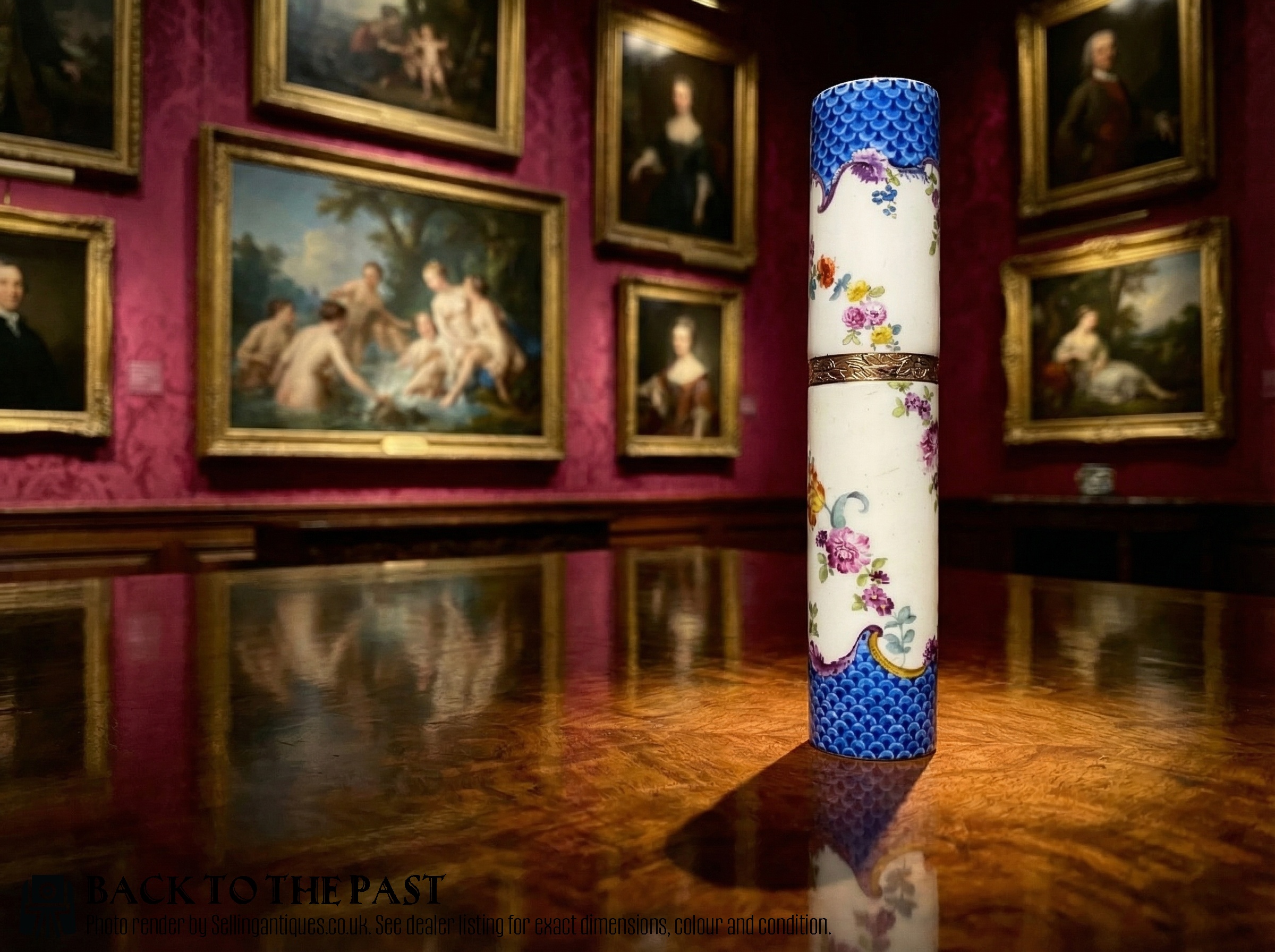
- A thick blunt needle with a large eye used for drawing tape or ribbon through a hem. Bodkins were frequently housed in dedicated cylindrical cases.
Vintage Needlework Case: Frequently Asked Questions
What fits inside an etui?
An etui typically holds small sewing implements such as needles, bodkins, scissors, and tweezers. These fitted compartments keep delicate tools secure during transport or storage.
Interior linings of silk or velvet often cushion each instrument to prevent damage.
How do I date a sewing case?
Dating relies on stylistic clues, material choices, and manufacturing techniques characteristic of periods like the Georgian or Victorian eras. For instance, Chinoiserie decoration and Rococo motifs point towards mid-eighteenth-century origins, while Tunbridge Ware suggests nineteenth-century craftsmanship.
Examining the metal mounts and fasteners provides further chronological context.
What is Tunbridge Ware?
Tunbridge Ware is a distinctive type of woodwork featuring mosaic designs assembled from thousands of tiny wood blocks. These microscopic wooden tiles create intricate geometric or floral patterns on the surface of boxes and cases.
The technique originated in the English spa town of Tunbridge Wells.
Were these cases used daily?
Many sewing cases served as practical accessories for gentlewomen undertaking needlework and embroidery. Wealthy owners utilised them both at home and while travelling to keep their tools orderly.
Finer examples also functioned as decorative objects of vertu displayed in drawing rooms.