




Vintage Nautical Sign
A vintage nautical sign brings maritime history directly onto the wall through painted wood, paper, and metal from past centuries.
Vintage Nautical Sign
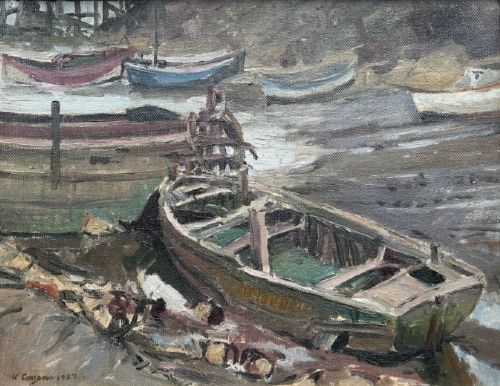
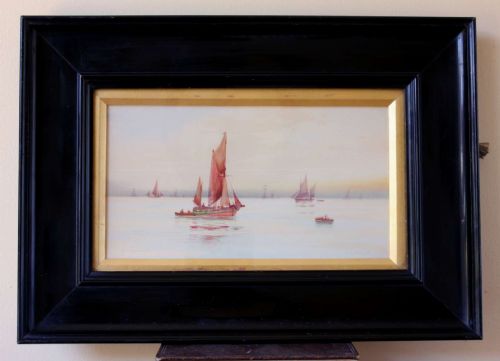
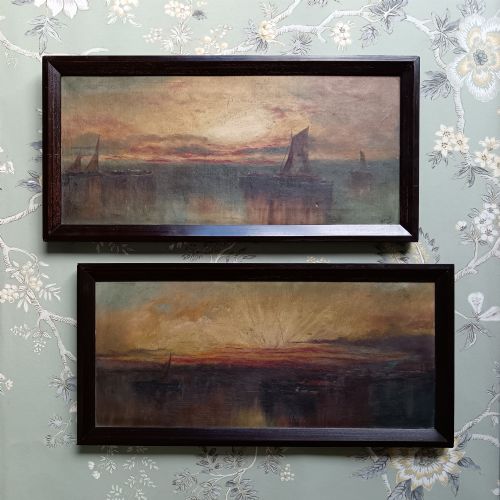
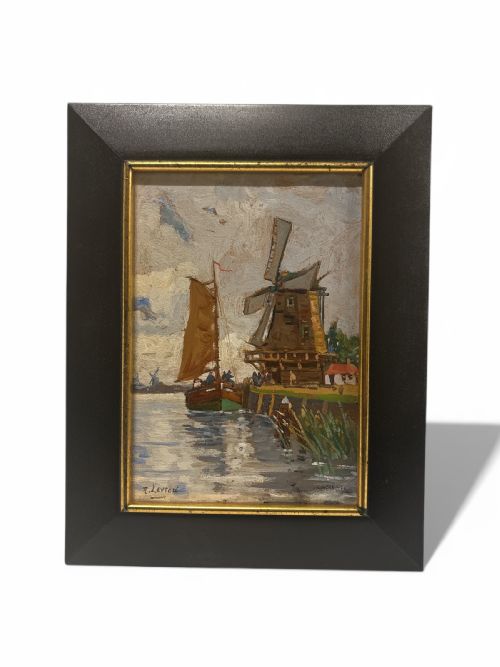
A vintage nautical sign encompasses trade notices, painted boards, and advertising pieces that celebrate maritime life, shipping, and coastal trade. Buyers searching for a vintage nautical sign often encounter painted wood shop markers, framed paper advertisements, and coastal artwork created during the late nineteenth and early twentieth centuries.
The selections range from carved pine fish shop boards to mid-century advertising material and framed maritime artwork. Pieces span Edwardian and mid-century periods, capturing the working life of rivers, harbours, and seas through varied domestic and commercial objects.
How they were made
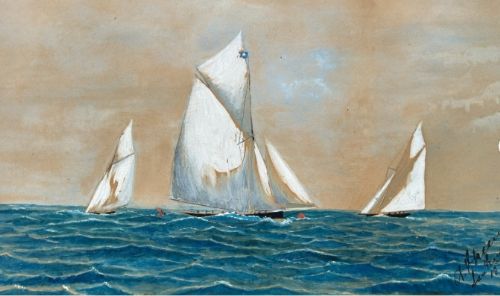
Makers utilised traditional timber such as pine for carved trade boards, applying paint or gilding directly to the wood surface. Paper advertisements and watercolours relied on ink, watercolour pigments, and protective glass framing to survive decades of coastal environments.
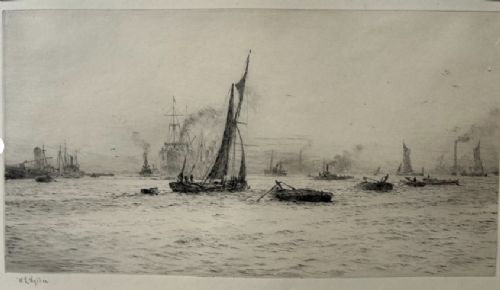
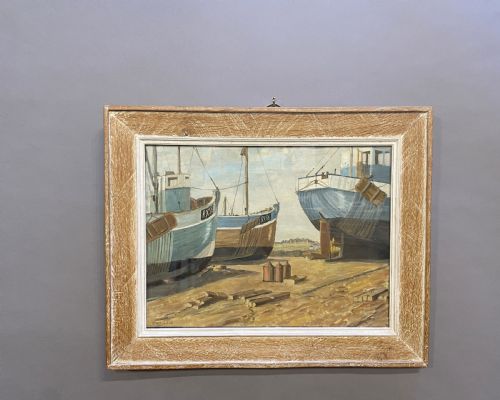
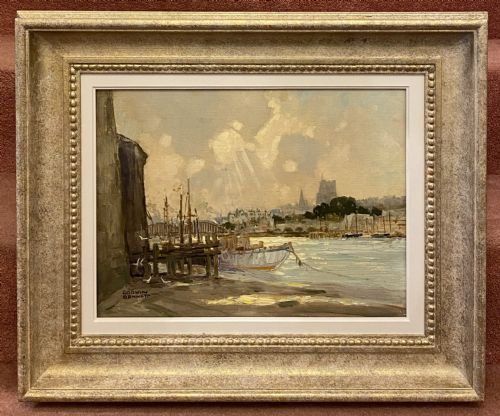
Oil paintings on canvas and board employ layered brushwork to depict coastal scenes, while etchings use inked metal plates pressed onto paper. These materials reflect both commercial signwriting methods and fine art techniques from the nineteenth and twentieth centuries.
Vintage Nautical Sign Retail Price Guide 2026
Typical asking prices for vintage nautical sign among the pieces listed under this phrase on Sellingantiques today, from the lower quarter to the upper quarter. They describe what is for sale here now, not the wider market.
A carved pine fish looks out from the wall, having spent a century watching the tide change without ever getting wet.
What varies in quality
Quality rests upon the crispness of the carving or painting and the preservation of the original surface. Trade boards with clear, deep relief work stand apart from simpler painted panels.
The integrity of the framing, the stability of the wood or canvas, and the clarity of any signatures or lettering separate standard decorative items from superior historical examples.
Kenneth Cozens·R Leyton·B Nash·William Lionel Wyllie·F Corpuz·William Frederick Settle·Thomas Bush Hardy·William Tuck·Pauwels·John Bell·Frank Wood·Saint Exupery·Fred Lawson·Norman Janes·E Elliot·Godwin Bennett·Maurice Sijs
The Vintage Nautical Sign Glossary
- Trade sign
- A board or carved object hung outside a shop to advertise wares, such as fish or tobacco, to passing trade. These functional markers were carved from pine or painted on wood.
- Oil on board
- A painting technique where oil pigments are applied directly to a rigid wooden or cardboard support rather than stretched canvas. This method was common for smaller coastal landscapes and quick studies.
- Etching
- A printmaking process where lines are bitten into a metal plate with acid before being inked and pressed onto paper. Artists used this method to capture sharp details of ship rigging and waterfronts.
- Watercolour
- A paint method using water-soluble pigments applied to paper, favoured by maritime artists for capturing light on water and atmospheric sky conditions.
Vintage Nautical Sign: Frequently Asked Questions
What materials make up a vintage nautical sign?
These items typically feature carved pine, painted wood, or framed paper advertisements preserved behind glass.
Artists and signwriters also employed oil paints, watercolours, and ink on canvas, board, or paper supports.
How do I date a nautical trade sign?
Dating relies on the style of the lettering, the type of wood used, and any visible maker signatures or dates.
Comparative analysis with advertising history and framing techniques also helps narrow the period of origin.
Where were maritime signs originally displayed?
Shopkeepers hung wooden signs outside fish markets, ship chandleries, and tobacco shops to attract customers from the street.
Smaller painted panels and framed advertisements decorated offices, railway stations, and domestic interiors.
How should I care for a painted wooden sign?
Keep wooden pieces away from direct sunlight and fluctuating humidity to prevent the paint from cracking or flaking off the surface.
Dust gently with a dry, soft cloth and avoid chemical cleaning agents that might damage historic finishes.