




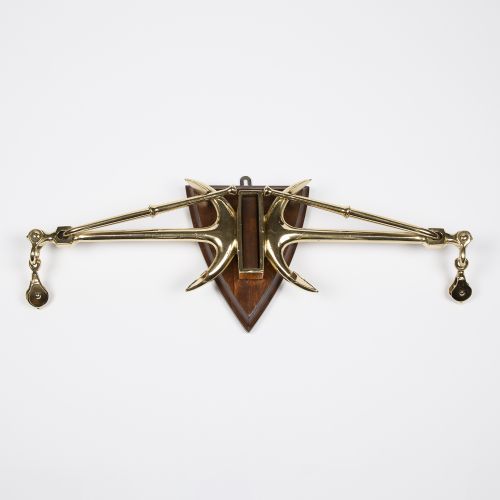


Vintage Nautical Sculpture
Vintage nautical sculpture brings the spirit of the sea indoors through tactile pieces crafted from wood, brass, and shell.
Vintage Nautical Sculpture
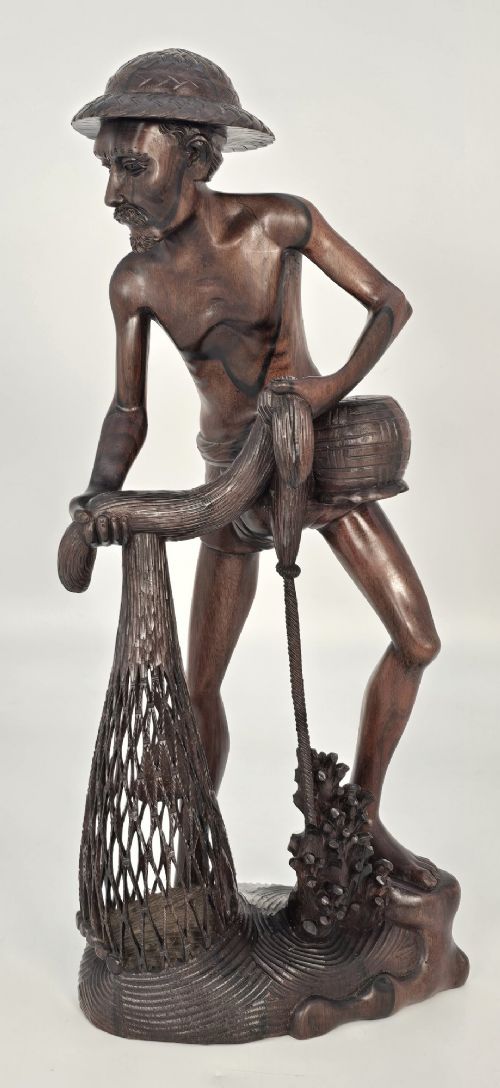
Vintage nautical sculpture encompasses carved wooden fishermen, model ships, and maritime folk art originating from centuries past. These objects reflect a deep connection to the ocean, utilising materials salvaged from the shore or shaped in workshops.
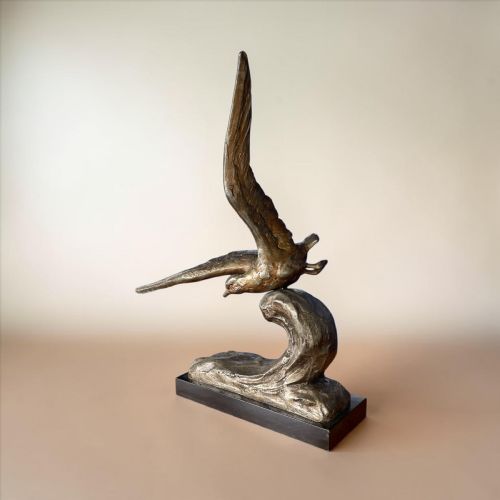
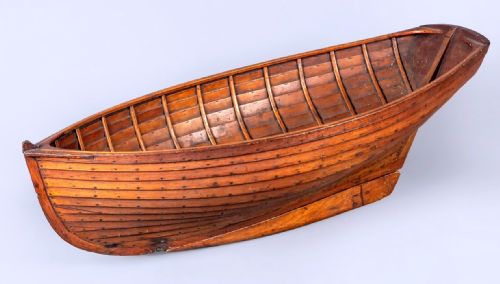
Buyers encountering this category will find a prevalence of carved wooden models, wrought iron anchors, and maritime folk art pieces. These items range from nineteenth-century cradle boat hulls to Art Deco albatross figures.
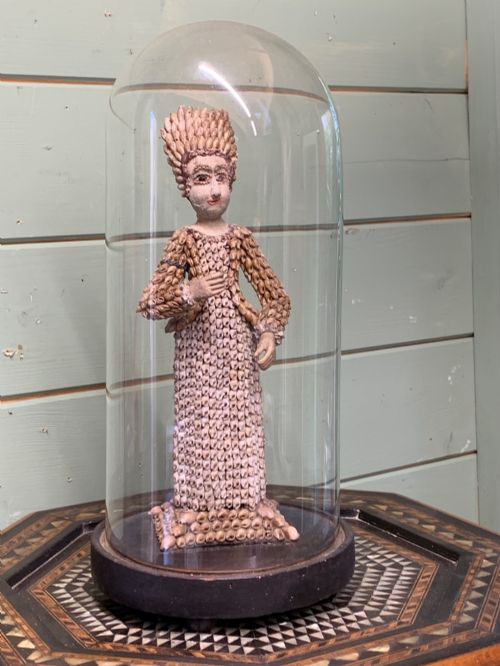
Originating across different eras, these sculptures bridge practical maritime trades and decorative arts. They offer a tangible link to seafaring history through representations of sailing boats, sea shells, and coastal wildlife.
How they were made
Makers shaped these sculptures from hardwood, sycamore, pine, and bronze, often mounting them on marble bases or enclosing them in glass. The combination of metal and organic materials creates a distinct contrast found in maritime artefacts.
Techniques range from folk art carving to detailed scale modeling and wrought iron work. Artisans utilised hand tools to carve detailed fish, sailors, and yachts, demonstrating skilled craftsmanship without modern machinery.
Vintage Nautical Sculpture Retail Price Guide 2026
Typical asking prices for vintage nautical sculpture among the pieces listed under this phrase on Sellingantiques today, from the lower quarter to the upper quarter. They describe what is for sale here now, not the wider market.
A nineteenth-century sailor signalman whirligig stands ready to spin its arms at the first sign of a coastal breeze.
What varies in quality
The distinction between ordinary and exceptional pieces lies in the precision of the carving and the integrity of the materials. Fine anatomical detail in animal figures and clean lines in yacht models indicate superior workmanship.
Authenticity of period materials and the cohesiveness of the composition elevate certain works above simple decorative items. Patina built up over decades on brass and wood adds depth to higher-grade sculptures.
The Vintage Nautical Sculpture Glossary
- Maritime Folk Art
- Decorative objects created by sailors or coastal artisans using traditional materials like wood, bone, and shell. These items often display utilitarian roots combined with expressive craftsmanship.
- Whirligig
- A wind-driven folk art sculpture with moving parts, such as a sailor signalman whose arms rotate in the breeze. They were frequently placed outdoors or near coastal dwellings.
- Cradle Boat Hull
- A miniature representation of a ship hull, often constructed with detailed ribbing and planking to demonstrate naval architecture or serve as a decorative object.
- Sycamore
- A dense hardwood frequently utilised by nineteenth-century carvers for detailed models due to its smooth grain and durability.
- Art Deco
- A design style from the early twentieth century characterised by streamlined forms, evident in pieces like the albatross and seagull sculptures.
Vintage Nautical Sculpture: Frequently Asked Questions
What materials are used in nautical sculptures?
These sculptures utilise a variety of traditional materials, including hardwoods like sycamore and pine, wrought iron, bronze, marble, and seashells. Makers selected these substances for their durability and availability near the coast.
Over time, exposure to marine environments or domestic handling develops a distinct patina on these surfaces, which helps identify their age and authenticity.
How do I care for wooden maritime carvings?
Wooden carvings require stable indoor humidity levels to prevent the timber from splitting or warping. Keep them away from direct heat sources and strong sunlight.
Dust them gently with a dry, soft cloth rather than using liquid polishes or chemical cleaners, which can damage the aged surface finishes.
How can I tell a nineteenth-century model apart?
Nineteenth-century pieces often exhibit hand-forged ironwork, heavy hardwoods, and traditional construction methods such as pegged or pinned joints. Artisans relied entirely on hand tools, leaving subtle tool marks across the wood.
Examining the base, fixings, and wear patterns provides further clues regarding the age and origin of the sculpture.