


Vintage Nautical Diorama
A vintage nautical diorama captures maritime history in miniature, bringing detailed sailing vessels and coastal scenes enclosed in glass boxes and bottles straight into your home.
Vintage Nautical Diorama
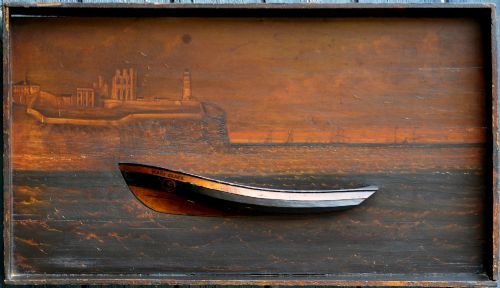
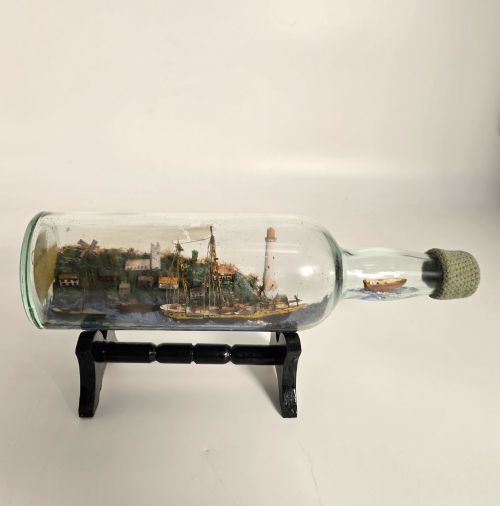
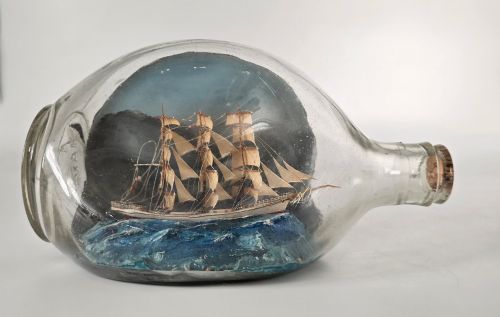
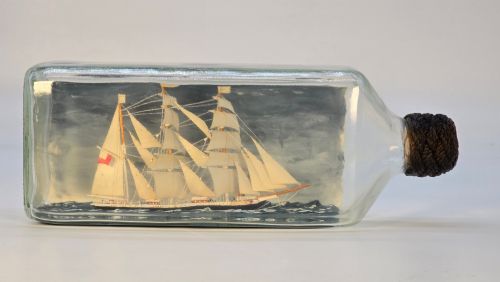
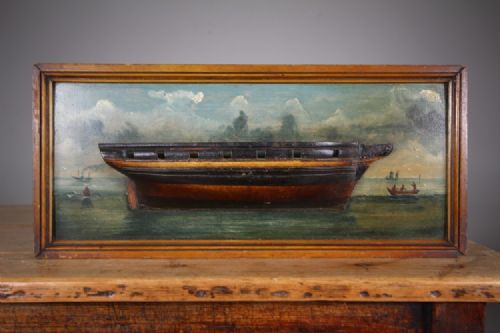
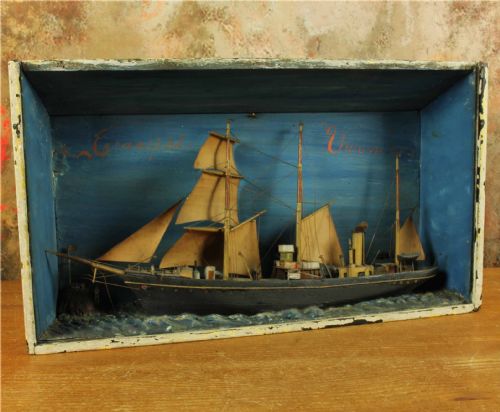
When you search for a vintage nautical diorama, you encounter three-dimensional representations of ships and maritime scenes housed within protective enclosures. These pieces take the form of shadow boxes, cased displays, and ship in a bottle creations.
The objects stem from various periods, including the Victorian era, the nineteenth century, and the early decades of the twentieth century. English and French makers produced these works, frequently within the realm of maritime folk art.
Most examples depict sailing vessels such as clippers, barques, and steam ships either under full sail or racing at sea. Pieces like the model of the sailing ship Glynllifon or named vessels such as Queen Anne appear regularly.
Materials and construction
Makers constructed these scenes by hand, often employing scratch-built techniques to fabricate miniature hulls and spars. Some advanced pieces integrate mechanical elements, such as the electric moving ship found in Art Deco automaton clocks.
Listings feature periods spanning from the nineteenth century through the 1940s, utilising wood, glass, cork, and canvas.
Qualities of craftsmanship
Quality in these maritime displays rests upon the intricacy of the miniature rigging and the realism of the painted background waves. Fine examples maintain structural integrity within their wooden cases and glass covers, preserving the delicate thread and canvas elements.
The precision of the scratch-built ship model separates standard folk art from superior pieces. Greater attention to historical vessel details and named subjects elevates the overall significance of the work.
The Vintage Nautical Diorama Glossary
- Diorama
- A three-dimensional scene featuring miniature models set against a painted background inside a case.
- Shadow box diorama
- A shallow display box with a glass front designed to hang on a wall.
- Scratch-built
- A model constructed entirely from raw materials rather than assembled from a pre-made commercial kit.
- Automaton
- A mechanical apparatus that operates automatically to produce movement, such as a moving ship powered by electricity.
- Barque
- A sailing vessel with three or more masts having square sails on the fore and main masts and fore-and-aft sails on the mizzenmast.
Vintage Nautical Diorama: Frequently Asked Questions
How were ship in a bottle dioramas made?
Makers constructed the ship models with collapsible masts and rigging so the pieces could pass through the narrow neck of a bottle. Once inside, pull strings raised the masts into position.
Artists then secured the vessel using putty and cork, arranging painted canvas waves around the hull to create the illusion of a ship at sea.
Where do these maritime dioramas originate?
Many examples originate from English and French coastal communities and maritime workshops. Sailors and local folk artists produced these works during long voyages or coastal retirements.
Named vessels often connect the artwork to specific regional ports and historical sailing ships of the nineteenth and early twentieth centuries.
How do you display a cased diorama?
Cased dioramas require stable shelf placement or secure wall mounting away from direct sunlight and excessive humidity. The wooden and glass enclosures protect the delicate internal components from dust and damage.
Proper placement ensures the painted canvas backgrounds and thread rigging remain preserved for years.