




Vintage Natural History
Vintage natural history brings together centuries of preserved specimens, framed prints and scientific illustration to decorate a room with the quiet detail of the natural world.
Vintage Natural History
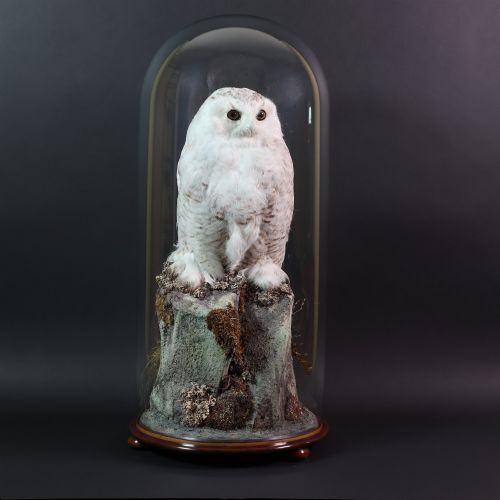
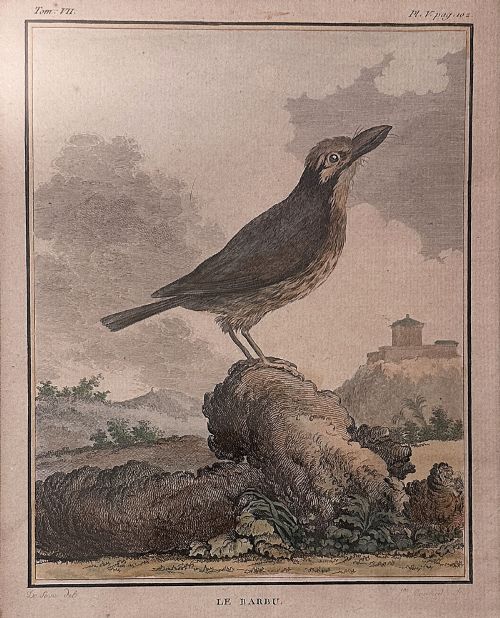
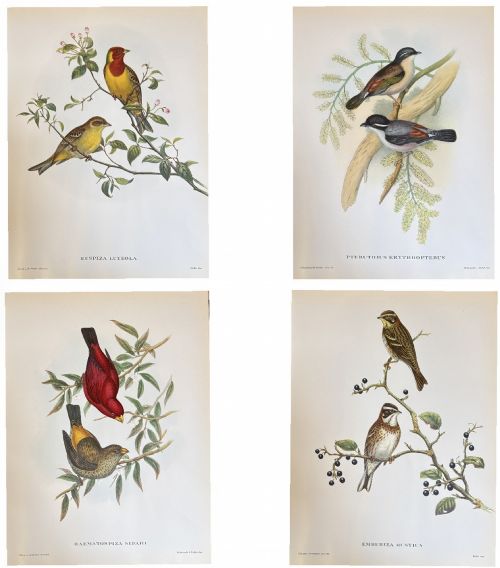
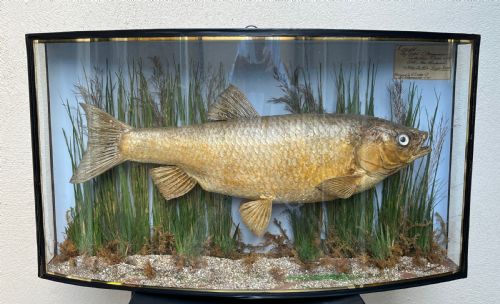
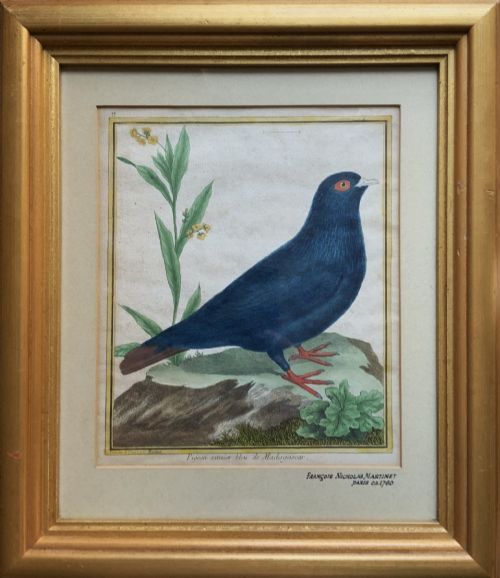
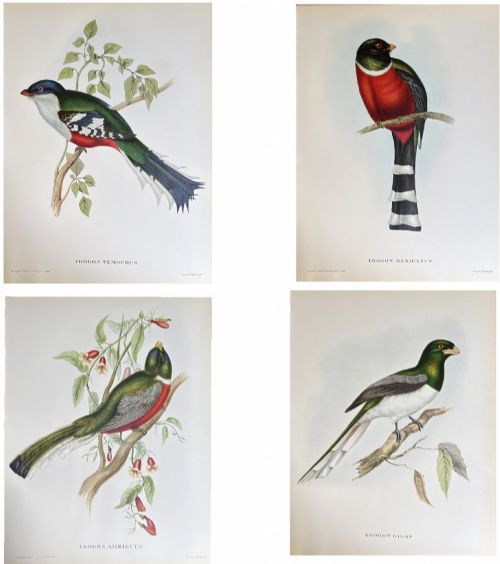
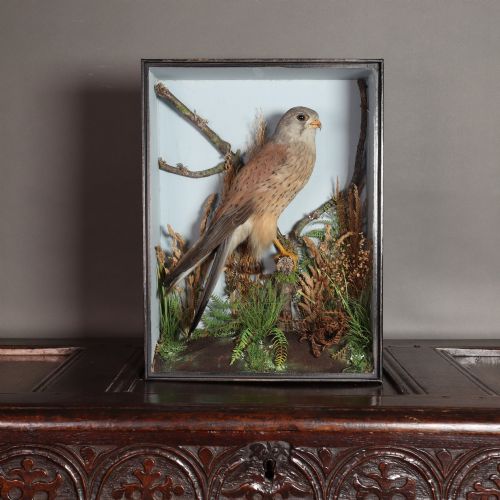
Vintage natural history spans framed illustrations, mounted taxidermy and specimen collections gathered across the eighteenth, nineteenth and twentieth centuries. The selection relies heavily on nineteenth-century taxidermy cases, Victorian bird prints and framed engravings depicting birds, fish and mammals.
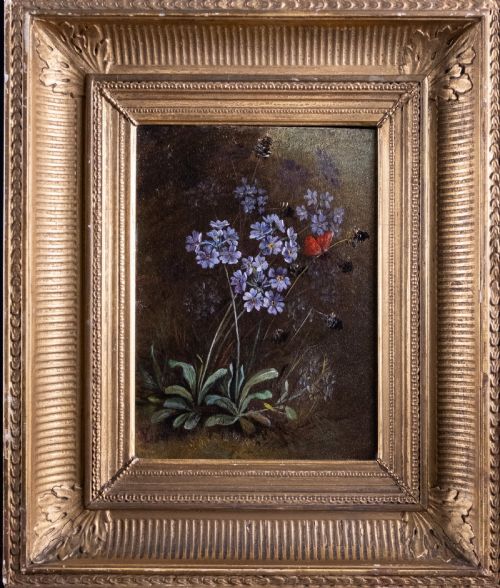
Buyers encounter everything from pocket microscopes and abalone snuff boxes to large taxidermy dioramas and botanical watercolours. The material ranges from domestic British wildlife to exotic tropical birds originating from South America and Australia.
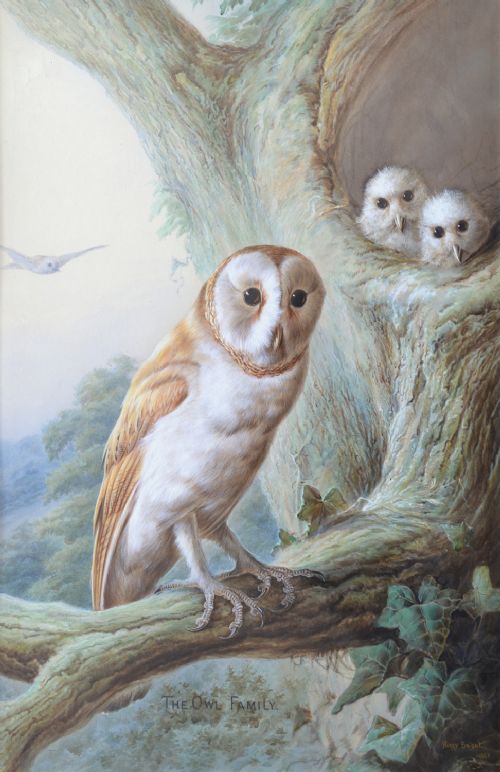
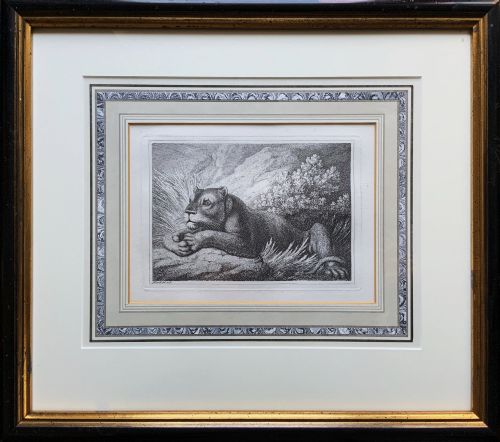
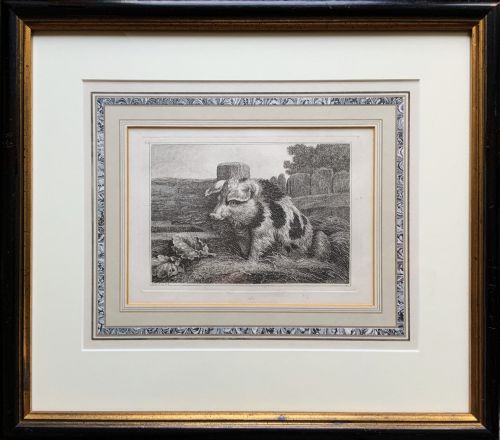
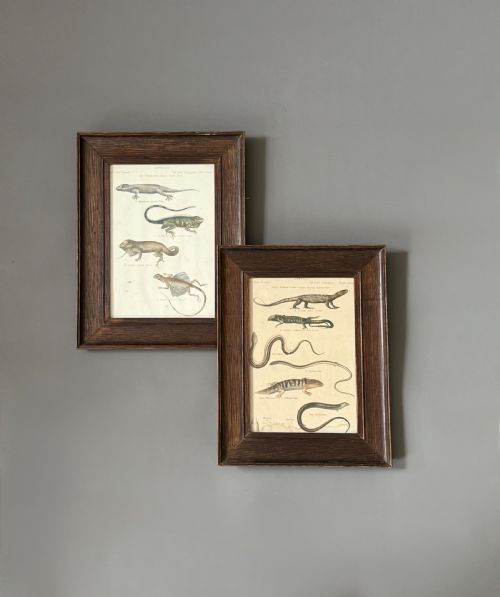
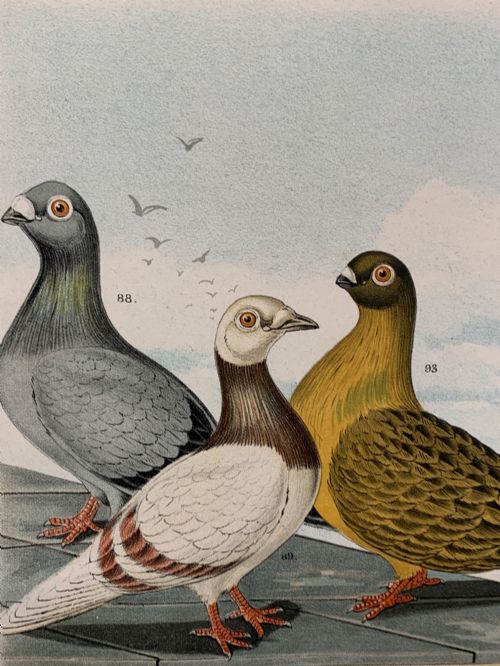
Paper works include hand-coloured engravings, lithographs and original watercolour paintings created for study or display. Three-dimensional objects combine mounted horns, coral, starfish and glass display domes intended to protect delicate preparations.
Materials and Techniques
Taxidermy specimens utilise traditional preservation techniques, mounting skins over carved or organic bodies and arranging birds and mammals within painted glass cases or naturalistic settings. Wood, oak and glass construct the protective display cases and picture frames that house these mounts.
Printed works rely on paper, ink and watercolour, often enhanced by hand-colouring to record plumage and scales with scientific accuracy. Natural media such as horn, feathers, shell, coral and wood provide the physical substance for both utilitarian objects and decorative specimens.
Vintage Natural History Retail Price Guide 2026
Typical asking prices for vintage natural history among the pieces listed under this phrase on Sellingantiques today, from the lower quarter to the upper quarter. They describe what is for sale here now, not the wider market.
Early naturalists preserved everything from roach fish to tropical birds, ensuring even nineteenth-century parakeets secured permanent domestic employment.
Evaluating Quality
Quality rests on the skill of the taxidermist or the precision of the artist, separating commercial output from work by recognised practitioners. Original hand-colouring on engravings and the crispness of the printing plate determine the fidelity of scientific prints.
The integrity of the display case, the preservation of feathers or fur and the naturalism of the pose dictate the desirability of three-dimensional pieces. Provenance linked to documented workshops or named artists elevates the standing of an individual piece.
William Bird MD FLS·François-Nicolas Martinet·J Griffiths of Burford·T. E. Gunn·William Bazeley & Sons·John Hancock·Rowland Ward of London·Jonathan Couch·George Edwards·Gerrard & Sons London
The Vintage Natural History Glossary
- Taxidermy
- The art of preparing, stuffing, and mounting the skins of animals for display. Victorian examples often incorporate painted backgrounds and natural foliage.
- Lithography
- A printing method based on the repulsion of oil and water, widely used for mass-producing coloured natural history plates in the nineteenth century.
- Engraving
- A printmaking technique where an artist cuts an image into a metal plate to hold ink. These plates produced fine lines suited to anatomical and botanical illustration.
- Diorama
- A three-dimensional scene depicting animals in a simulated natural habitat. These enclosed settings protect fragile mounts from dust and light.
- Specimen
- An individual animal, plant, or mineral collected for scientific study or display. Collections often group related marine life or botanical samples together.
Vintage Natural History: Frequently Asked Questions
How should I clean glass taxidermy cases?
Glass exteriors require gentle wiping with a standard glass cleaner applied to a cloth rather than sprayed directly onto the wood or seals. Internal cleaning is best left undisturbed to avoid damaging fragile historical mounts.
Wooden frames benefit from occasional dusting with a dry, soft brush. Avoid moisture near antique paper labels and painted interior backdrops.
Where were most Victorian taxidermy cases displayed?
Victorian households positioned these glass cases in studies, libraries and drawing rooms as marks of intellectual curiosity. They reflected contemporary enthusiasm for natural science and exploration.
Larger trophies and mammalian displays often occupied hallways or dedicated smoking rooms. Smaller table cases sat comfortably upon desks and sideboards.
Are framed natural history prints original?
Many plates originate from contemporary books, scientific journals or dedicated portfolios published during the eighteenth and nineteenth centuries. Hand-colouring was frequently applied by watercolourists in the studio following the initial printing process.
Examining the paper under magnification reveals plate marks and ink impression typical of period printing methods. Modern reproductions lack the paper ageing and hand-finished pigments found on original sheets.
How do I protect antique taxidermy from pests?
Keeping mounts away from direct sunlight and damp environments prevents fading and deterioration of organic materials. Stable indoor temperatures reduce the risk of damage from environmental fluctuations.
Enclosed glass domes and sealed cases offer natural protection against dust and insects. Regular visual checks help monitor the condition of feathers, fur and mounting fabrics.