



Vintage Mythological Figures
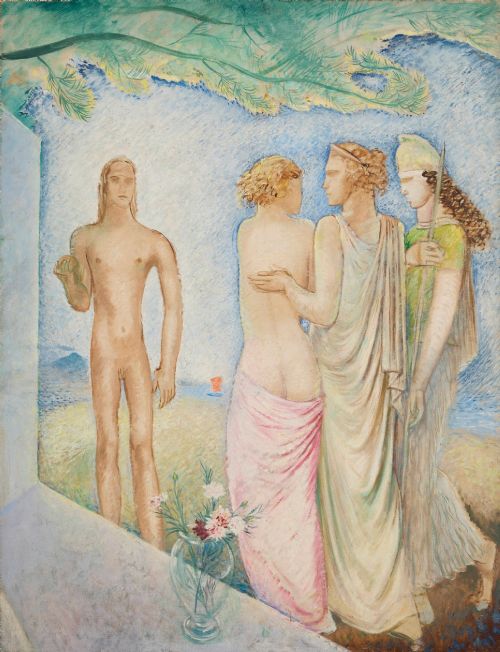
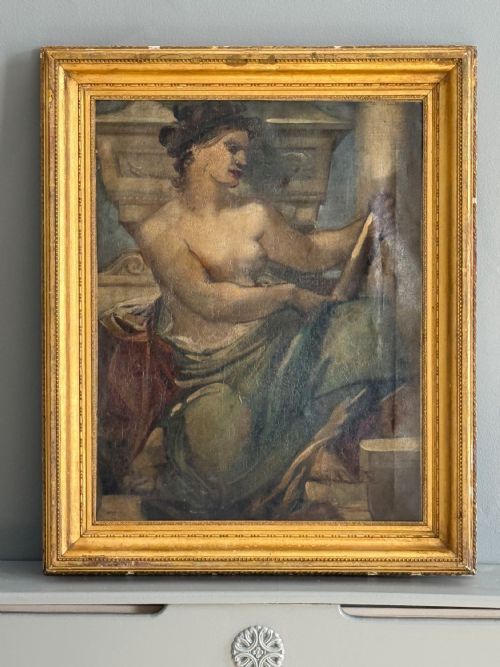
These vintage mythological figures bring classical deities, nymphs and legendary beasts into domestic spaces through bronze, porcelain and oil paint.
Vintage Mythological Figures
Vintage mythological figures encompass a diverse range of artistic interpretations depicting classical, Eastern and legendary deities across various mediums. When searching for vintage mythological figures, collectors encounter everything from Grand Tour bronzes to modernist oil paintings and traditional hardwood carvings.
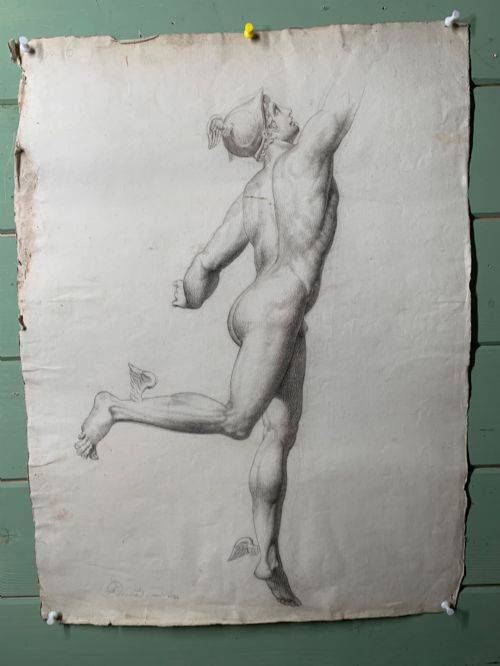
The selections span multiple eras, notably featuring nineteenth-century revivals, Georgian academic drawings, and early twentieth-century works. Forms range from freestanding bronze statuettes and porcelain figures to framed oil paintings and functional table lamps.
Geographic origins vary widely, including British, Italian, Balinese, and Japanese pieces. This global scope ensures that depictions of figures like Pan, Bacchus, Hermes and Garuda appear in distinct regional artistic traditions.
Materials and methods
Metal sculptures utilise casting techniques in bronze and brass, often capturing fine anatomical details and patinated finishes. Many pieces rely on lost-wax casting methods to render complex forms such as dancing nymphs and horn blowers.
Other works employ organic materials, featuring hand-carved hardwood and detailed porcelain production. Painters apply oil on canvas to create narrative scenes, while draughtsmen utilise pencil on paper for academic studies.
Surface decoration incorporates gilding and enamel work alongside natural wood finishes. These traditional applications support both sculptural integrity and fine artistic detail.
Vintage Mythological Figures Retail Price Guide 2026
Typical asking prices for vintage mythological figures among the pieces listed under this phrase on Sellingantiques today, from the lower quarter to the upper quarter. They describe what is for sale here now, not the wider market.
The selection includes works from British, Italian, Balinese, Japanese, and Burmese origins across several centuries.
Distinctions in quality
In painted works, the handling of light, brushwork precision, and compositional balance separate academic execution from decorative output. Finer examples maintain strong narrative coherence and confident line work.
The distinction also rests in the fidelity of the stylistic revival, whether interpreting Renaissance forms, Neoclassical ideals, or Art Deco aesthetics with distinct artistic conviction.
Auguste Moreau·Edward Aagaard·Pierre Le Faguays·James Hadley·Royal Worcester
The Vintage Mythological Figures Glossary
- Grand Tour
- A cultural journey undertaken by nineteenth-century elites who acquired classical bronzes and souvenirs abroad. These bronze reductions often reproduce famous antiquities.
- Renaissance Revival
- An artistic movement looking back to the fifteenth and sixteenth-century arts of Italy. Pieces in this style emulate the humanist themes and sculptural weight of that period.
- Lost-wax casting
- A metalworking process where a molten metal is poured into a mould that has been created by means of a wax model. This technique allows for intricate undercuts and fine surface textures.
- Patina
- A thin layer that naturally or artificially develops on the surface of bronze through oxidation and age. Collectors value patinas for their depth and evidence of history.
- Neoclassical
- A Western cultural movement drawing inspiration from the art and culture of classical antiquity. It prioritises restraint, symmetry, and heroic mythological subject matter.
Vintage Mythological Figures: Frequently Asked Questions
What periods do these figures come from?
The pieces span the Georgian era through the nineteenth century and into the early twentieth century, including Art Deco and 1930s British realism.
This broad chronological range reflects shifting European and global revivals of classical and traditional mythologies.
How were bronze sculptures produced?
Makers typically utilised traditional casting methods to shape bronze and brass into statuettes, vases, and lamp bases. Skilled artisans then refined the metal surfaces and applied patinas.
Many works also draw upon classical precedents, echoing ancient sculptures encountered during European travels.
Which deities appear most frequently?
Representations include classical Greek and Roman gods such as Pan, Bacchus, Hermes, Diana, Mars, and Amphitrite. Figures also extend to Eastern traditions, featuring deities like Rama, Sita, and Garuda.
These subjects appear across sculpture, oil paintings, drawings, and porcelain.
How do I display these pieces at home?
Sculptures and figurines suit tabletops, sideboards, and dedicated display cabinets where their materials can be appreciated from multiple angles. Framed oil paintings and drawings require wall placement with measured lighting.
Certain items, such as bronzed vases and table lamps, offer functional utility alongside their mythological decoration.