




Vintage Musket
A vintage musket brings tangible military history into a room, offering tactile connection to conflicts from the eighteenth and nineteenth centuries.
Vintage Musket
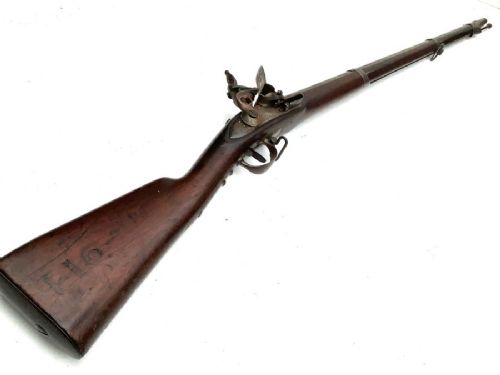
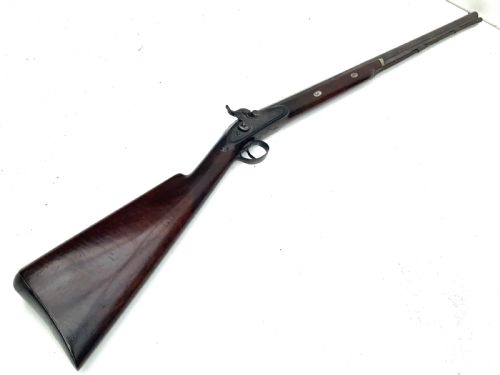
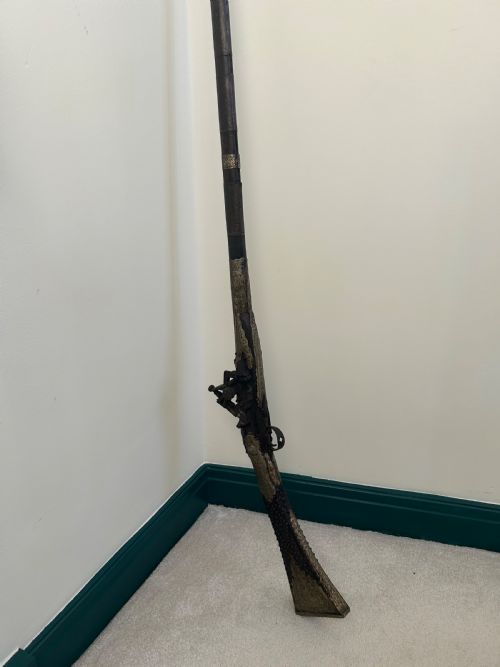
When you search for a vintage musket, you encounter historical shoulder arms spanning the eighteenth and nineteenth centuries, including flintlock and percussion ignition systems. These firearms encompass military pieces from British, French, and American service alongside sporting fowlers and tribal rifles.
The most frequent examples on this page date from the Victorian era and the Napoleonic period, featuring forms such as cavalry musketoons, blunderbusses with sprung bayonets, and Enfield rifles. These pieces reflect standard military issue as well as specialised sporting configurations from makers like John Manton and Son.
Origins vary across European and global conflicts, ranging from East India Company contracts to Afghan tribal variations and domestic volunteer units. Each specimen demonstrates the evolution of infantry and sporting arms before the widespread adoption of modern metallic cartridges.
Materials and construction
Stocks are fashioned from dense hardwoods, predominantly walnut and general timber, shaped to house the barrel and lock mechanism securely. Brass and iron furniture, including butt plates, trigger guards, and ramrod pipes, reinforces these wooden stocks against field usage.
Barrels and lockplates utilise forged steel and iron, machined or hand-finished to withstand the pressures of black powder ignition. Flintlock and percussion mechanisms integrate precise spring-loaded components to strike a spark or cap reliably.
Vintage Musket Retail Price Guide 2026
Typical asking prices for vintage musket among the pieces listed under this phrase on Sellingantiques today, from the lower quarter to the upper quarter. They describe what is for sale here now, not the wider market.
Some blunderbusses arrived with sprung bayonets ready to snap out at a moment's notice, adding aggressive flair to domestic defence.
Distinctions in quality
Superior examples exhibit crisp touchmarks, legible maker signatures such as John Manton and Son, and matching inventory or regimental numbers across components. Lesser quality specimens often show excessive stock replacement, heavy pitting on metal surfaces, or erased markings from aggressive cleaning.
The integrity of the lock mechanism and the original fit of the wood to the metal define the upper tiers of these arms. Master gunsmithing is visible in the delicate filing of brass and iron furniture and the balanced proportions of sporting fowlers versus utilitarian military muskets.
JOHN MANTON & SON
The Vintage Musket Glossary
- Flintlock
- An ignition mechanism that uses a piece of flint held in a cock to strike a steel frizzen, creating sparks to ignite black powder. This system dominated military and civilian firearms from the seventeenth through the early nineteenth centuries.
- Percussion cap
- A small metal cup containing fulminate of mercury placed on a nipple, which explodes when struck by the hammer to ignite the powder charge. This technology superseded the flintlock system during the nineteenth century.
- Blunderbuss
- A muzzle-loading firearm with a flared barrel designed to scatter lead shot at close range. These weapons often incorporate spring bayonets for defensive utility.
- Jezail
- A traditional long-barreled muzzle-loading rifle used across the Middle East and Central Asia. These arms typically feature distinctive curved wooden stocks and flintlock or percussion lock mechanisms.
- Smoothbore
- A barrel lacking internal rifling, designed to fire lead balls or shot without imparting spin. Many eighteenth-century military muskets utilise this bore type for rapid reloading.
Vintage Musket: Frequently Asked Questions
What is the difference between flintlock and percussion muskets?
Flintlock muskets rely on a piece of flint striking steel to create a spark that ignites the priming powder in an external pan. This system requires dry weather conditions to function effectively.
Percussion muskets utilise an enclosed cap struck by a hammer, transferring flame directly to the main charge through a nipple. This later innovation provided superior reliability in wet weather.
Were these firearms used in combat?
Many listings represent standard military issue from regiments such as the East India Company or Essex Volunteers. These pieces saw service during the Napoleonic Wars and colonial conflicts.
Other examples, including sporting fowlers and tribal jezails, served civilian hunting or regional defence roles rather than formal military campaigns.
How should I display a vintage musket safely?
Mounting a musket securely on a wall or placing it in a dedicated display cabinet protects the wood and metal from accidental knocks. Ensure the environment maintains stable humidity to preserve the walnut stock and iron components.
Keep the firearm unloaded and secure from unauthorized handling while maintaining proper historical presentation.