

Vintage Music Stand Cabinet
A vintage music stand cabinet keeps sheet files and scores tidy while grounding a parlour with period timber.
Vintage Music Stand Cabinet
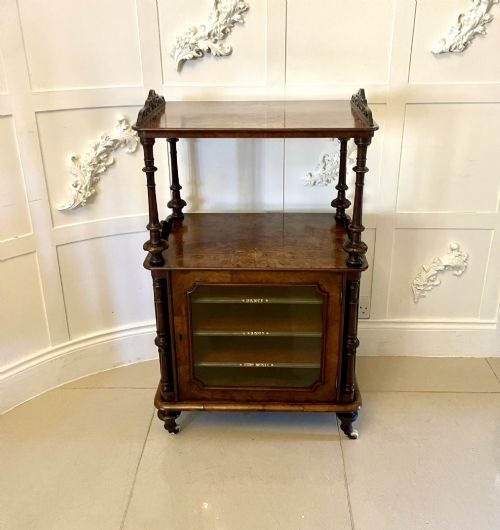
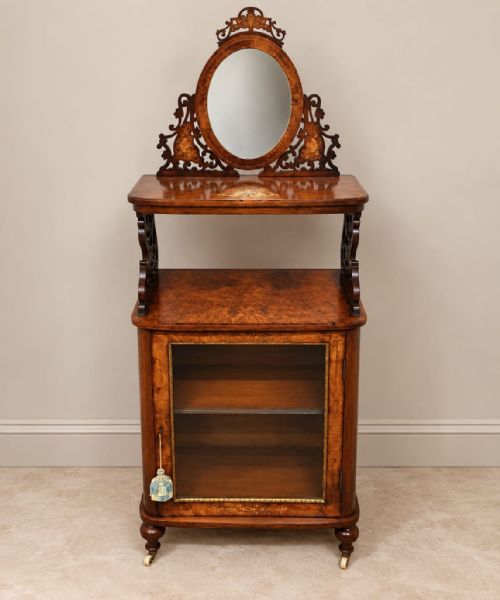
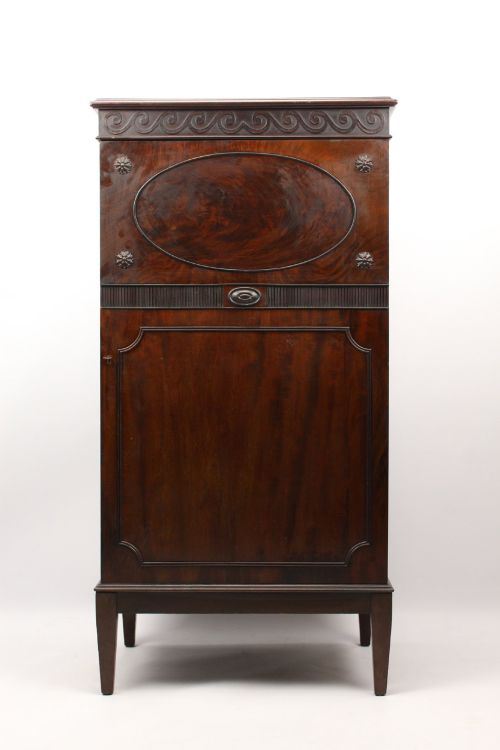
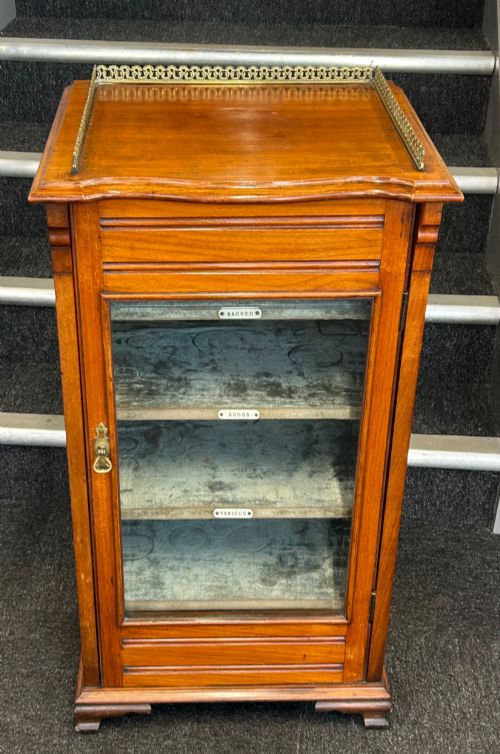
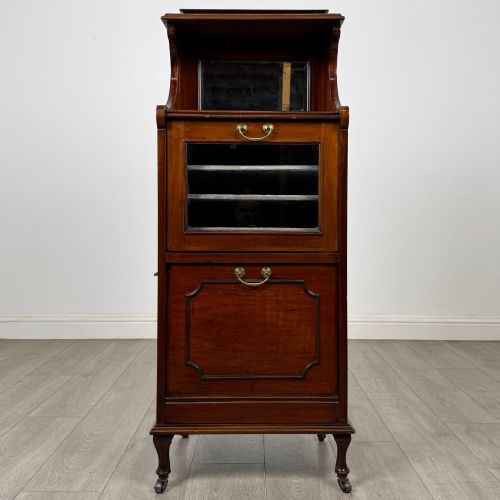
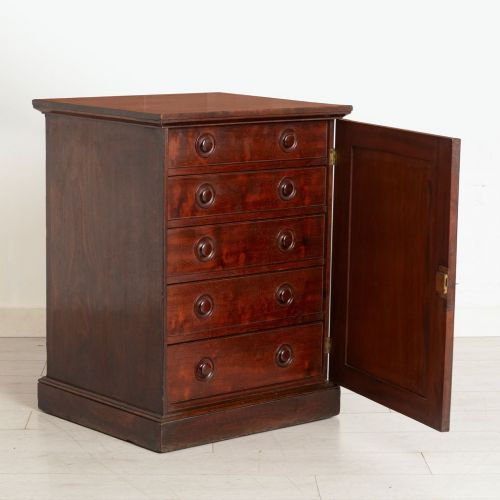
A vintage music stand cabinet serves as a dedicated piece for storing sheet music, folios, and periodicals within the home. When exploring this selection, buyers frequently encounter Edwardian and Victorian examples designed to organise paper collections neatly.
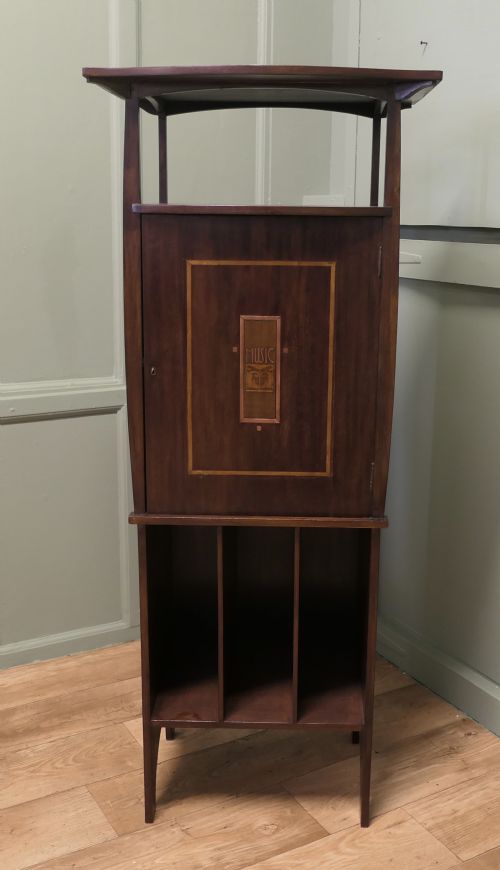
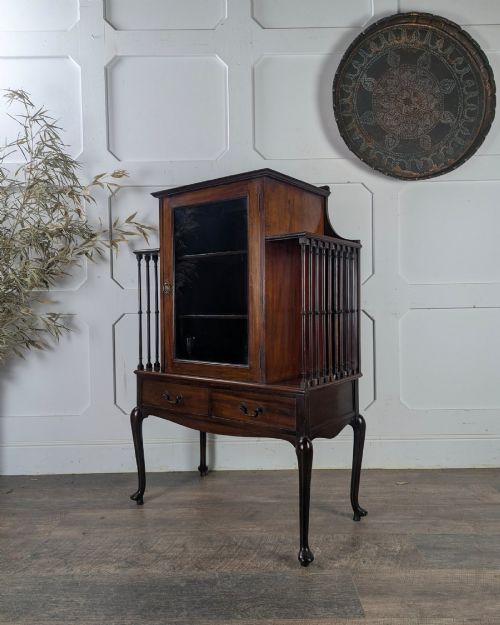
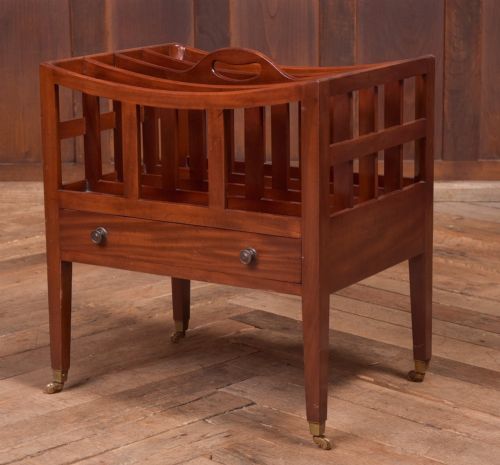
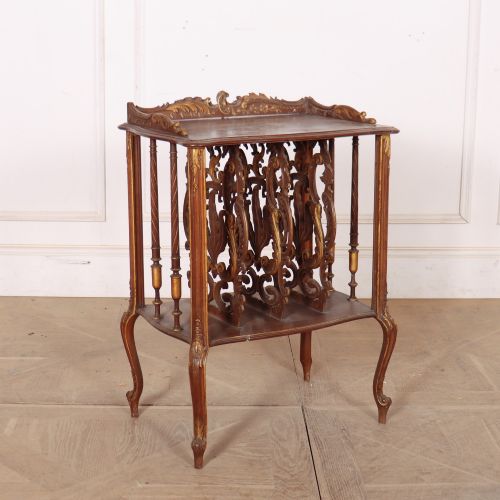
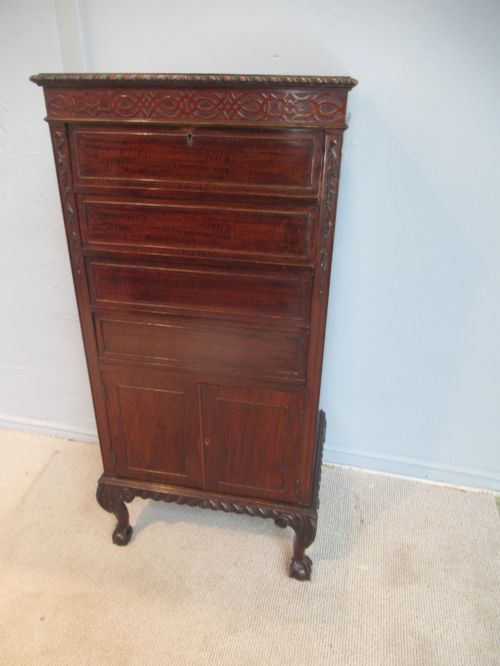
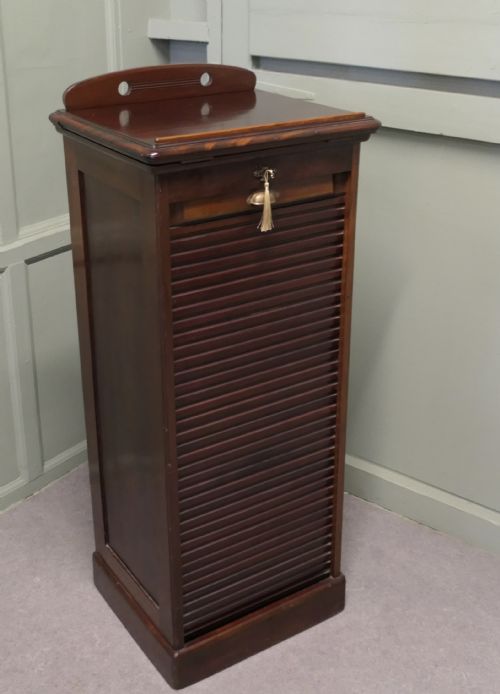
The forms span upright music cabinets, canterburys, and pedestal units that integrate open racks or drop fronts. These items originate from periods stretching through the nineteenth and early twentieth centuries, reflecting the domestic musical habits of those eras.
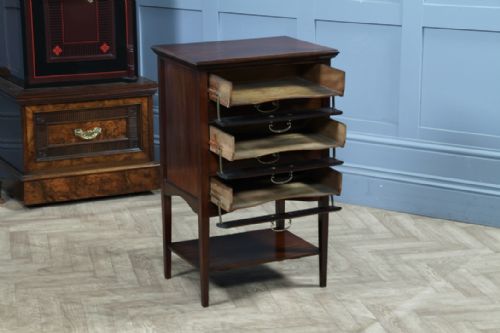
Many of these cabinets incorporate internal shelving, drawers, or slatted divisions tailored specifically for holding folios upright. Walnut, mahogany, and rosewood are typical timbers encountered across the available object types.
How they were made
Cabinet makers constructed these pieces using solid timbers and veneers such as mahogany, walnut, burr walnut, oak, and rosewood. Brass hardware, including handles, hinges, and castors, appears regularly to accent the woodwork.
Joinery methods involved traditional framing and panel construction to house interior drawers and drop fronts securely. Inlaid details and carved motifs decorate the surfaces of specific Edwardian and Victorian variants.
What varies in quality
The grade of timber selection and the complexity of veneer work distinguish finer examples from standard workshop production. Burr walnut and figured mahogany displays exhibit greater visual depth and careful grain matching across the doors and panels.
GM Elwood for JS Henry·Denby & Spinks·U Phone of Leeds·Lochmanns·Collinson & Lock London
The Vintage Music Stand Cabinet Glossary
- Canterbury
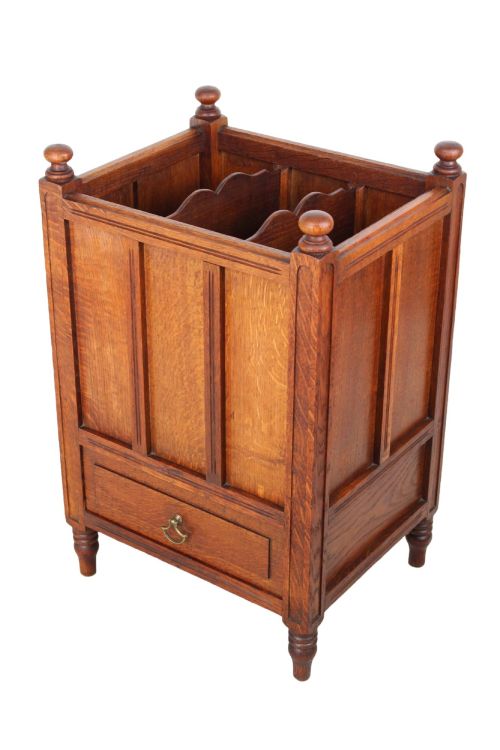
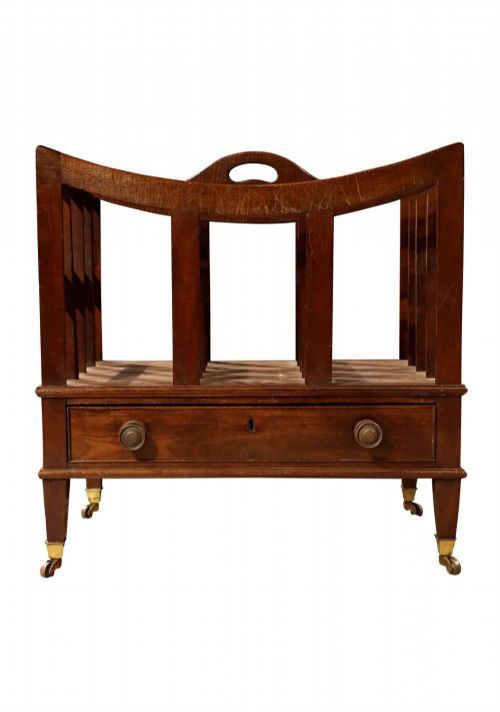
- A low stand or cabinet featuring vertical partitions designed for holding sheet music, folios, or periodicals. It often includes a small drawer beneath the rack section.
- Drop front
- A hinged panel that folds downwards to reveal internal compartments or shelving for filing papers. This mechanism is common in music cabinets intended for seated access.
- Burr walnut
- A veneer taken from the warted excrescence of a walnut tree, prized for its swirling grain patterns. It is frequently applied to the principal surfaces of Victorian and Edwardian case furniture.
- Pedestal cabinet
- An upright, freestanding unit built on a narrow footprint with internal storage accessed via a single door. These pieces utilise vertical space efficiently in smaller reception rooms.
Vintage Music Stand Cabinet: Frequently Asked Questions
What is a music cabinet used for?
These cabinets were originally manufactured to store sheet music, scores, and unbound musical folios near a piano or parlour instrument.
Today, they function equally well for organising modern paperwork, magazines, or stationery while maintaining period character in a room.
How do you date a vintage cabinet?
Dating relies on identifying characteristic styling details, construction methods, and timber choices typical of specific periods like the Edwardian era or the nineteenth century.
Maker marks, brass hardware designs, and internal labels also help narrow down the decade of production.
Are music cabinets suitable for small rooms?
Upright music cabinets and narrow canterburys possess a compact footprint designed to occupy minimal floor space.
Their vertical orientation provides substantial internal filing capacity without dominating the surrounding furniture.
What is the difference between a canterbury and a cabinet?
A canterbury traditionally incorporates open vertical divisions or slatted racks specifically for holding folio items upright and within easy reach.
In contrast, a music cabinet typically encloses the storage behind a solid or glazed door with internal shelves or drop-front drawers.