



Vintage Moorcroft
Vintage moorcroft pieces bring unmistakable tube-lined colour and ceramic craft into a room, spanning early designs through to mid-century forms.
Vintage Moorcroft
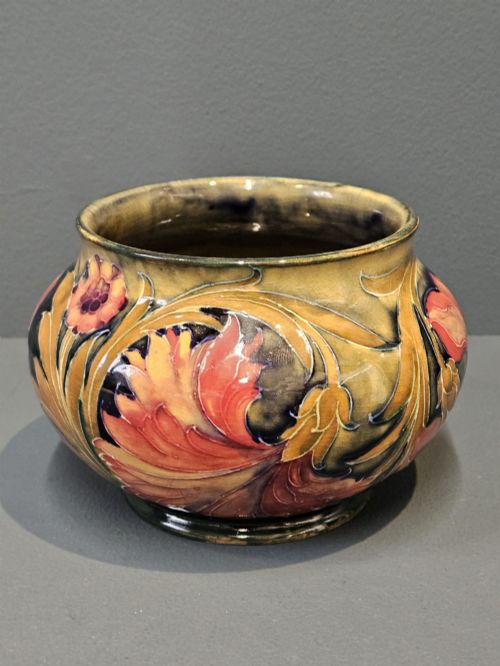
When you search for vintage moorcroft, you are looking at British art pottery defined by raised slip decoration and rich glazes on earthenware bodies. The pieces on this page range from nineteenth-century Macintyre productions to later twentieth-century tableware and decorative forms.
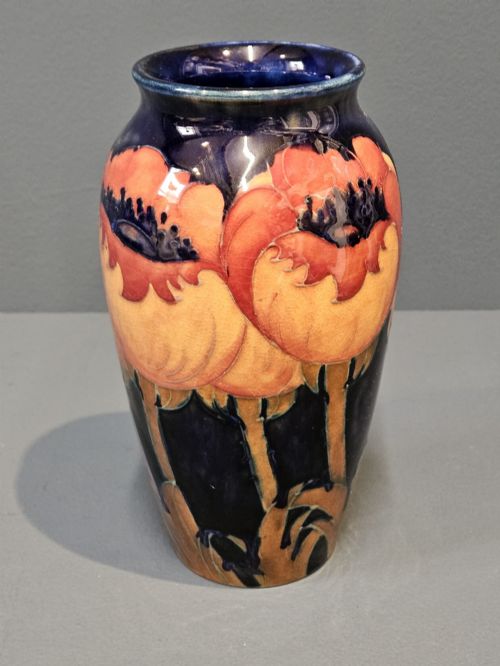
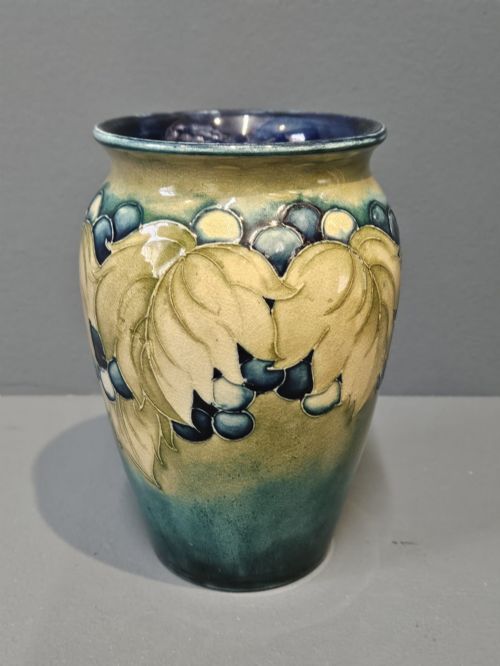
You are most likely to meet vases, bowls, and chargers featuring characteristic floral and fruit motifs such as pomegranates, poppies, and leaves. These objects reflect distinct periods of British design, moving from Arts and Crafts sensibilities through Art Nouveau curves to geometric Art Deco shapes.
Materials and manufacture
Makers shaped earthenware and ceramic bodies before applying distinct clay slip outlines by hand to form the borders of each pattern. This tube-lining technique created raised barriers on the surface that kept different coloured liquid glazes separate during firing.
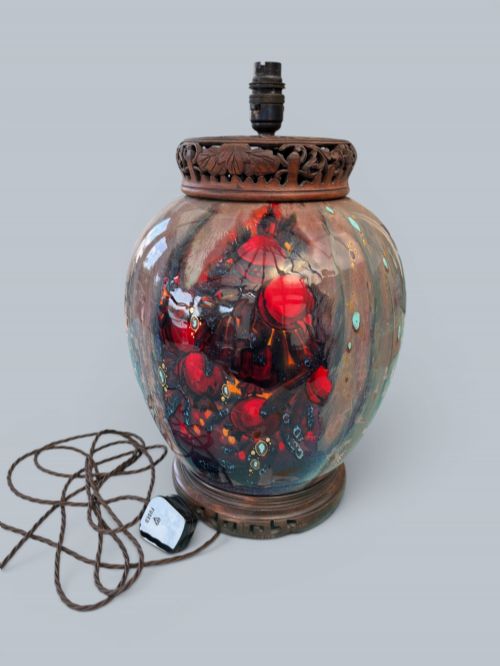
Pieces were then glazed and fired in kilns, sometimes incorporating gold leaf or salt glaze effects to achieve deep lustre and varied surface textures. Metal fittings in brass and wooden mounts were occasionally added later for functional items like table lamps.
Vintage Moorcroft Retail Price Guide 2026
Typical asking prices for vintage moorcroft among the pieces listed under this phrase on Sellingantiques today, from the lower quarter to the upper quarter. They describe what is for sale here now, not the wider market.
Listings feature earthenware and ceramic pieces spanning the nineteenth century through the nineteen-thirties, incorporating brass and wood elements.
Assessing quality and execution
Quality in these ceramics rests on the precision of the tube-lined design and the depth of the glaze firing. Stronger examples show clean, confident hand-applied lines that retain their definition beneath thick, even layers of colour without pooling or running.
The complexity of the pattern and the ambition of the vessel form also separate standard production wares from more exceptional studio pieces. Early signatures, clear factory stamps, and well-preserved original surfaces further distinguish the finest examples.
William Moorcroft·Macintyre And Co
The Vintage Moorcroft Glossary
- Tube-lining
- A ceramic decoration technique where liquid clay slip is squeezed through a nozzle onto the body to create raised outlines for enamel colours.
- Earthenware
- Porous pottery fired at lower temperatures than stoneware or porcelain, requiring an impermeable glaze to hold water.
- Glaze
- A glassy coating fused to ceramic surfaces by heat, providing colour, pattern, and a protective seal.
- Pot pourri
- A decorative jar or vessel with a pierced lid designed to hold dried fragrant plant material and release scent into a room.
- Charger
- A large ornamental plate intended for display on a wall or sideboard rather than for dining use.
Vintage Moorcroft: Frequently Asked Questions
What is vintage moorcroft pottery?
Vintage moorcroft refers to decorative British art pottery known for its distinctive raised tube-lined patterns and hand-painted glazes.
These pieces were produced across various twentieth-century periods, capturing shifts in design from early floral motifs to later geometric styles.
How do I date my piece?
Dating relies on examining the factory stamps, impressed marks, and painted signatures found on the underside of the earthenware body.
Comparing the specific pattern name and style against known production eras helps narrow down the decade of manufacture.
Were these items meant for daily use?
Most of these glazed earthenware objects were created primarily for decorative display within the home rather than heavy practical service.
Vessels like vases, chargers, and pot pourri jars served to showcase artistic ceramic techniques and rich interior colour palettes.
How should I care for my pottery?
These ceramic items require gentle dusting with a soft, dry cloth to protect the glazed surfaces and delicate raised slip outlines.
Keep them away from direct moisture and sudden temperature changes to preserve the integrity of the earthenware body and glaze.