



Vintage Modernist Cabinet
These vintage modernist cabinet examples unite clean geometric lines with rich period woods, offering practical storage grounded in twentieth-century design.
Vintage Modernist Cabinet
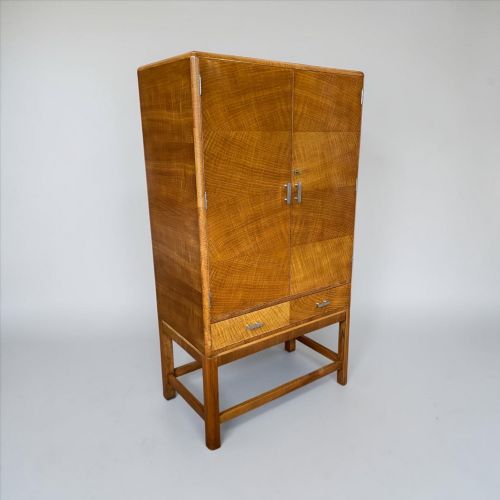
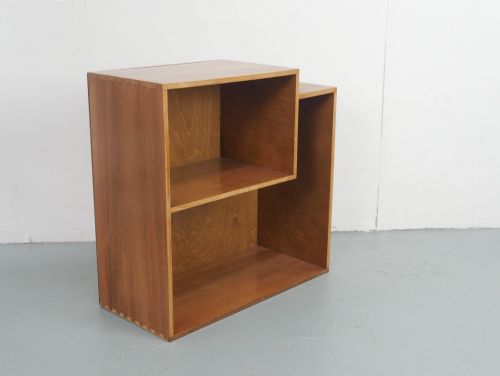
A vintage modernist cabinet combines functional storage with the stripped-back geometric aesthetic of the early to mid-twentieth century. When searching for a vintage modernist cabinet, collectors encounter forms dating from the nineteen-twenties through to nineteen-forty, including side cabinets, sideboards, and display units.
The aesthetic bridges traditional cabinet-making and early modernism, drawing heavily on Art Deco principles alongside clean French and English design. Most pieces on this page originate from the nineteen-thirties, reflecting a period when designers favoured utilitarian geometry and striking silhouettes.
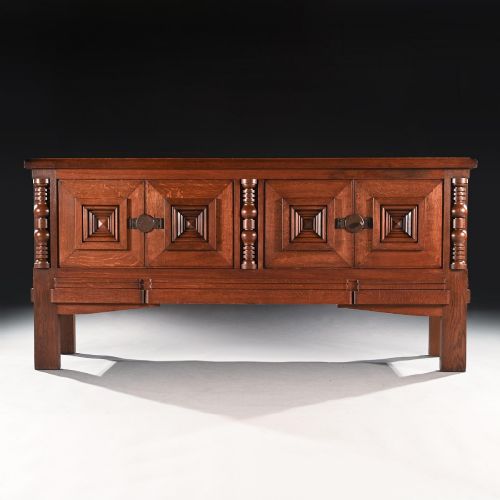
Forms range from compact side tables and commodes to substantial sideboards and cabinets on stands. Buyers often find pieces produced by notable makers such as Heal's, Hille, Maurice Jallot, and Charles Dudouyt within these stylistic parameters.
How they were made
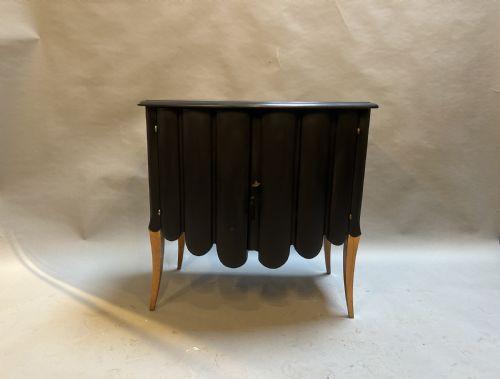
Cabinet makers utilised a combination of solid timbers and fine wood veneers, selecting oak, walnut, and figured oak for their pronounced grain patterns. Ebonised wood often provided a stark contrast, while specialist surfaces incorporated parchment inlay to create distinct textural depth.
Structural elements frequently integrated metal, iron, brass, and steel, particularly for supports, handles, and framework on display units. Leather found application in glazed display cabinets, blending industrial materials with traditional cabinet construction.
Vintage Modernist Cabinet Retail Price Guide 2026
Typical asking prices for vintage modernist cabinet among the pieces listed under this phrase on Sellingantiques today, from the lower quarter to the upper quarter. They describe what is for sale here now, not the wider market.
A telephone table from nineteen-thirty proves that even mid-century telecommunication required a dedicated modernist stage.
What varies in quality
The standard of a piece rests upon the precision of its geometric joinery and the selection of its wood veneers. Superior examples display carefully matched grain patterns across larger surfaces, particularly on walnut and figured oak variants.
The integration of secondary materials dictates the tier of the piece. Fine brass fittings, clean steel frames, and specialist inlays separate standard production items from master-designed commissions.
Heal's·Charles Dudouyt·Maurice Jallot·Hille
The Vintage Modernist Cabinet Glossary
- Art Deco
- A design style spanning the nineteen-twenties and nineteen-thirties characterised by sleek geometric shapes and stylised motifs. It heavily influences the structural lines of these cabinets.
- Ebonised wood
- Timber treated with a finish that turns it black and glossy to resemble ebony. This technique highlights the sharp silhouettes of modernist furniture.
- Parchment inlay
- A decorative technique using treated animal skin applied as a smooth surface panel. It provides a subtle matte contrast against polished wood veneers.
- Commode
- A low standing storage cabinet with drawers or doors. In twentieth-century French design, these pieces often feature bold geometric proportions.
Vintage Modernist Cabinet: Frequently Asked Questions
What defines a vintage modernist cabinet?
These cabinets are defined by their geometric forms, clean lines, and rejection of heavy Victorian ornamentation. They emerge from periods spanning the nineteen-twenties to the nineteen-forties.
They utilise materials like walnut, oak, ebonised wood, and steel to achieve a balanced, uncluttered silhouette.
How do I identify French pieces?
French examples often incorporate distinctive surface treatments such as parchment inlay and ebonised finishes. Makers like Maurice Jallot and Charles Dudouyt typify this regional approach.
They frequently employ bold proportions and contrasting metal accents that set them apart from English counterparts.
Where were these cabinets used?
They served primarily in principal reception rooms, dining spaces, and hallways as functional storage and display furniture. Sideboards managed dining ware, while side cabinets held household items.
Display cabinets with glazed doors allowed owners to showcase decorative objects while protecting them from dust.
How do I care for wood veneer?
Veneered surfaces require stable indoor humidity away from direct heat sources to prevent lifting. Gentle dusting with a dry cloth maintains the finish without moisture damage.
Avoid abrasive cleaners and harsh chemical polishes that can degrade the original period polish.