

Vintage Modernist Art
Vintage modernist art brings together furniture, paintings and metalwork from the early to mid-twentieth century, offering clean lines and functional forms for the home.
Vintage Modernist Art
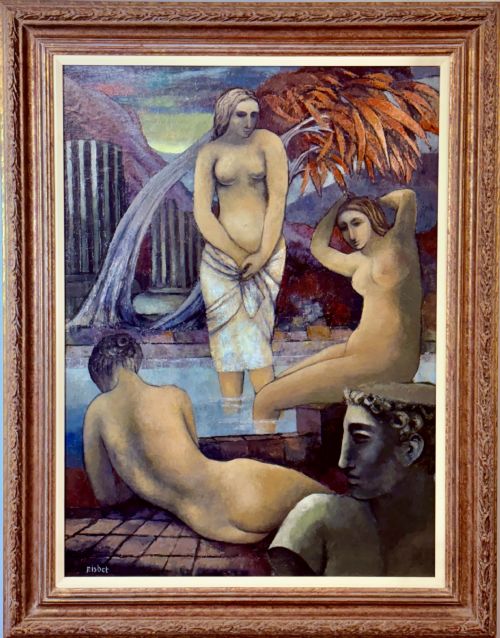
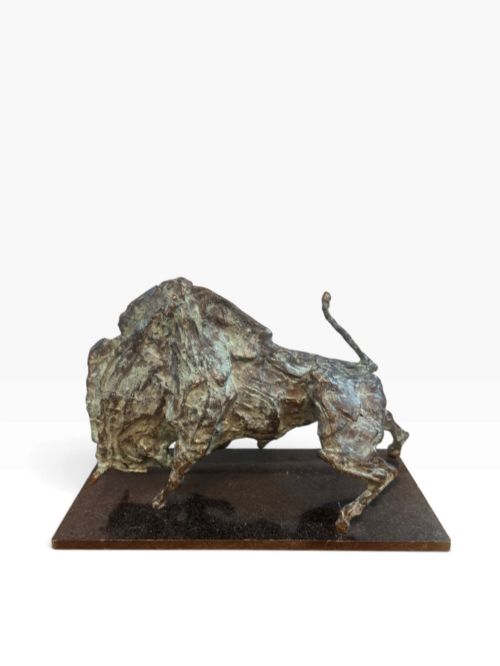
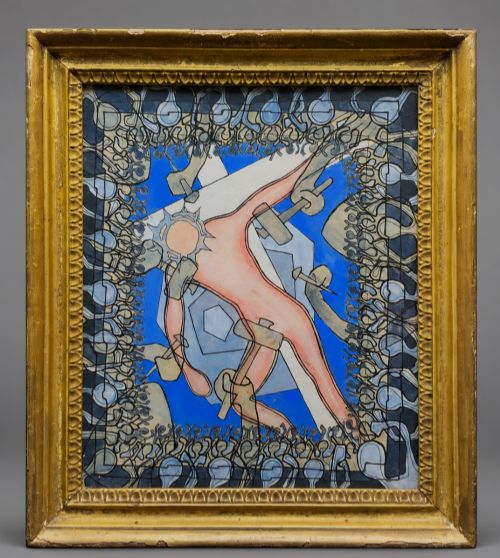
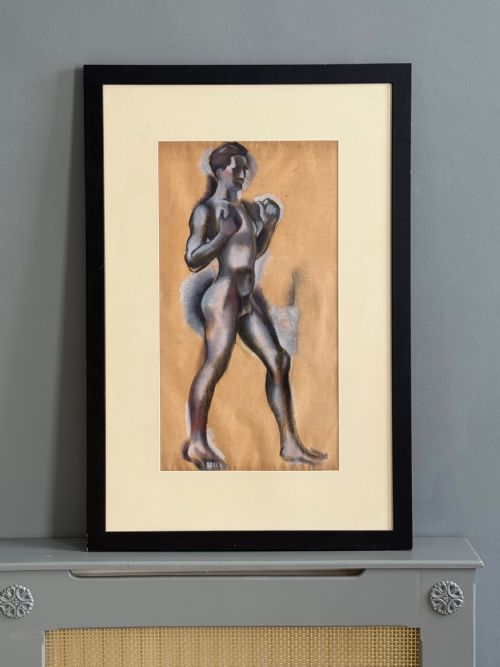
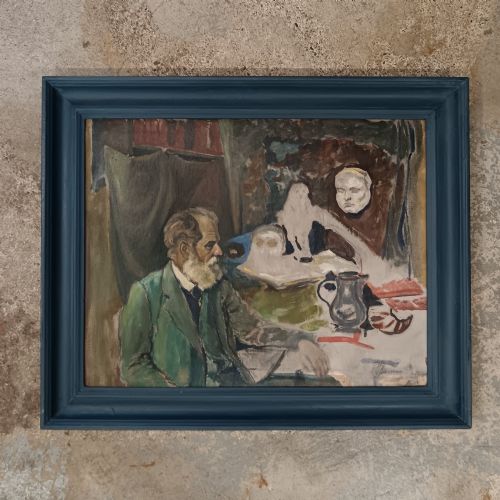
Vintage modernist art encompasses items created primarily between the 1910s and the 1960s, spanning painting, sculpture and furniture. These pieces reflect movements such as Art Deco, Mid-Century Modernism and the Modern British school.
Origins range across Britain, France and Denmark, capturing both industrial design and individual artistic expression. Geometric forms and stripped-back ornamentation dominate the visual language of these pieces.
How they were made
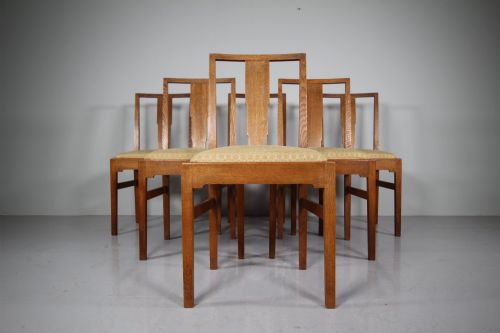
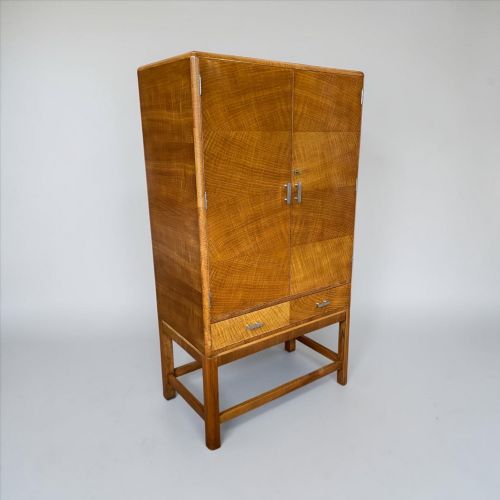
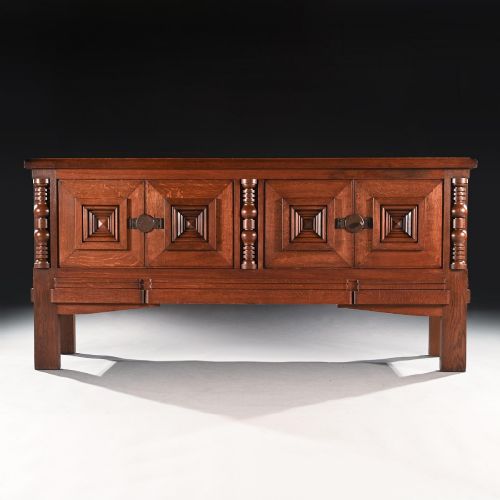
Makers utilised wood, glass, metal and canvas to build durable objects with a clean aesthetic. Oak, rosewood and chrome appear regularly in furniture and lighting design.
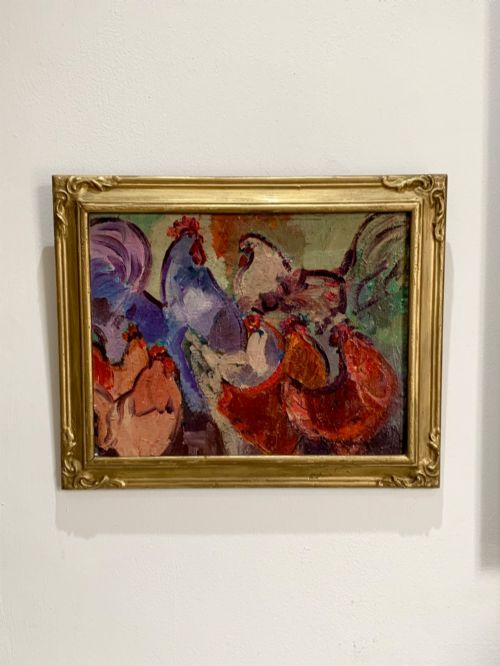
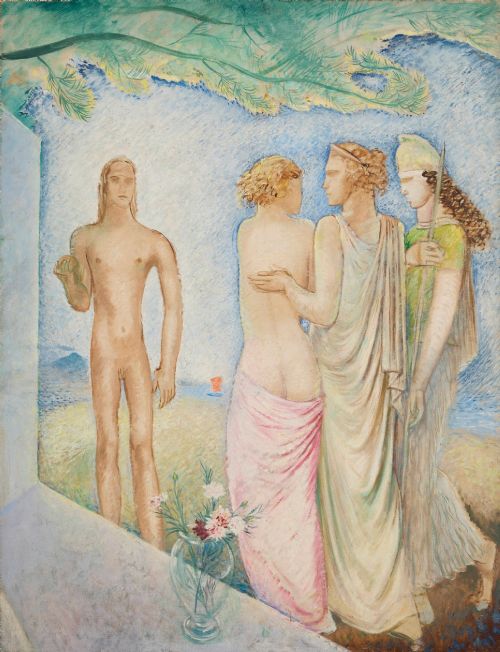
Paintings employ oil on canvas or board, alongside pencil and ink on paper. Metalwork relies on casting and enamel decoration to achieve sharp finishes.
Vintage Modernist Art Retail Price Guide 2026
Typical asking prices for vintage modernist art among the pieces listed under this phrase on Sellingantiques today, from the lower quarter to the upper quarter. They describe what is for sale here now, not the wider market.
Several clocks on offer possess wind-up mechanisms built by Smiths Clockmakers to keep time while looking like miniature architectural sculptures.
What varies in quality
Quality rests on the integrity of the materials and the precision of the construction. Solid timbers and well-preserved chrome finishes distinguish superior furniture and lighting from simpler utility items.
Artistic execution dictates value in paintings and sculptures, where brushwork, composition and the reputation of the maker carry significant weight. Maker attribution and original patination elevate the standing of a piece.
Hagenauer·Charles Dudouyt·Keith Murray·Mappin & Webb·Eileen Grey·Frank Dobson·Maurice Jallot·Oliver Percy Bernard·PEL·Smiths Clockmakers·Heal's·Betty Joel·Liberty & Co
The Vintage Modernist Art Glossary
- Art Deco
- A design style characterised by sleek geometric shapes, streamlined forms and rich materials popular in the 1920s and 1930s. It bridged traditional craft and machine-age production.
- Mid-Century Modern
- An architectural, interior, product and graphic design development that described mid-twentieth-century modern developments in modern design. It prioritised clean lines and unfussy functionality.
- Modern British
- A term covering British art produced in the first half of the twentieth century that absorbed continental European modernist influences. It includes varied approaches to landscape, portraiture and abstraction.
- Chrome
- A thin layer of chromium electroplated onto metal to provide a corrosion-resistant and shiny finish. It became a defining material for machine-age modernist lighting and furniture.
- Pochoir
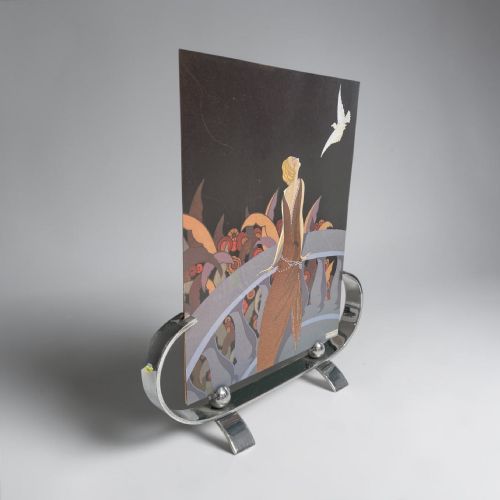
- A stencil-based printing technique used to create crisp lines and vibrant hand-coloured prints. It was widely utilised for fine art prints and fashion plates during the early twentieth century.
Vintage Modernist Art: Frequently Asked Questions
What periods do these pieces cover?
The items span from the 1910s through the 1960s, capturing the shift from early twentieth-century experimentation to mid-century functionalism.
Most objects date from the 1930s, representing the height of Art Deco and early modernist production in Europe.
How do I identify a 1930s modernist desk?
Look for geometric silhouettes, materials like oak or chrome, and an absence of heavy Victorian carvings. Desks from this decade often feature streamlined pedestals and practical two-sided configurations.
Designer pieces may bear maker marks or attribution to known firms like Heal's or PEL, though unsigned pieces follow the same structural principles.
How were modernist paintings from this era framed?
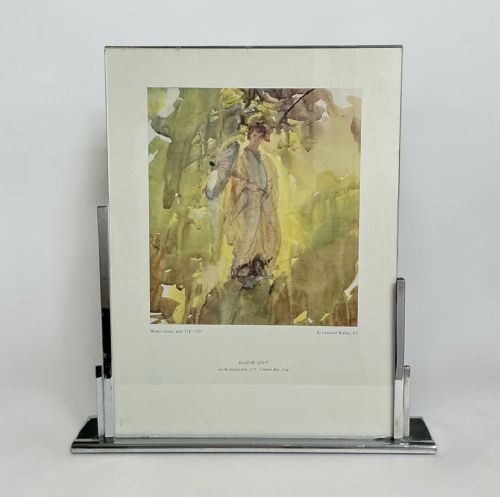
Paintings often utilised simple wooden frames that did not distract from the canvas or board within. The focus remained squarely on the brushwork and subject matter rather than ornate framing.
Original frames help preserve the historical context of works by artists associated with groups like the St Ives School.
Can I mix these items with other styles?
The clean lines and neutral tones of modernist art and furniture allow them to sit comfortably alongside older antiques or contemporary interiors. A 1930s oak side table or a chrome lamp adds functional structure to a room without clashing.
Grouping items by material, such as pairing wood furniture with metal desk lamps, creates a cohesive display.