

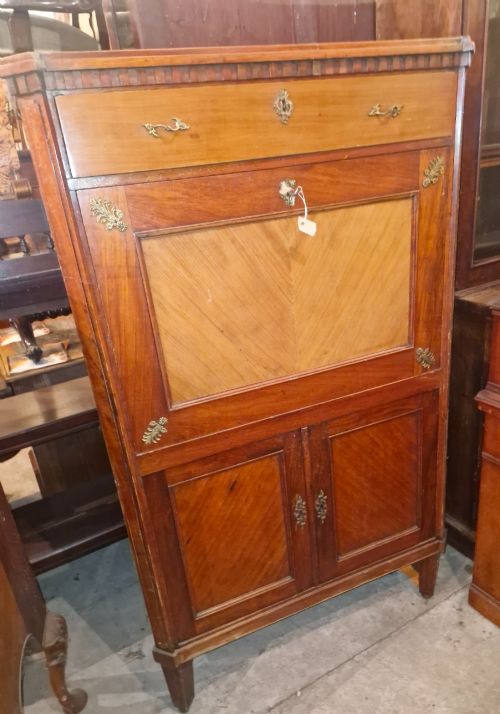
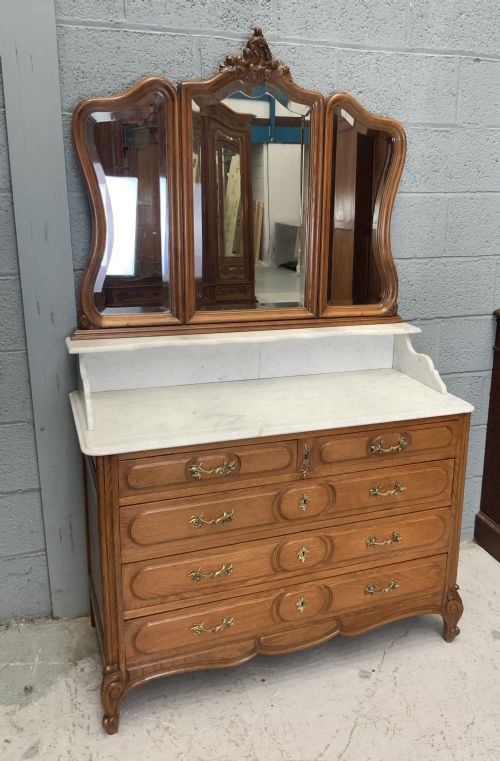
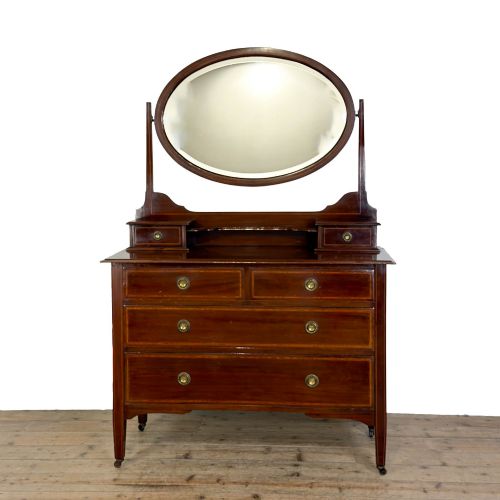
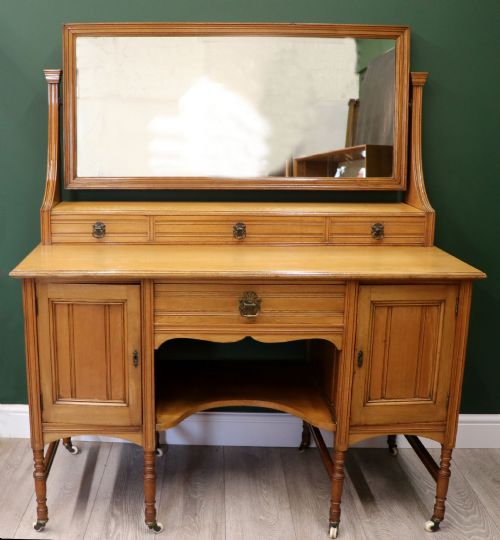
Vintage Mirror Chest
A vintage mirror chest combines functional storage with a reflective surface, offering a practical centrepiece for a bedroom.
Vintage Mirror Chest
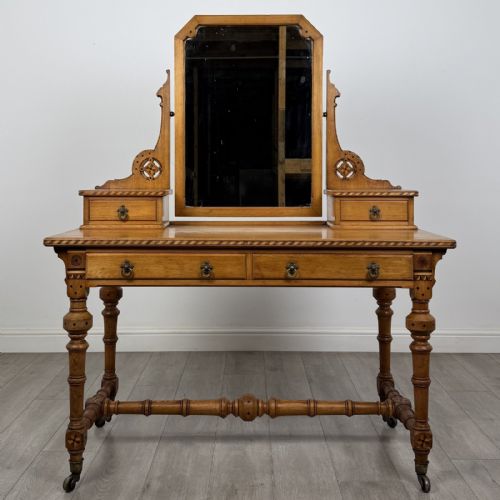
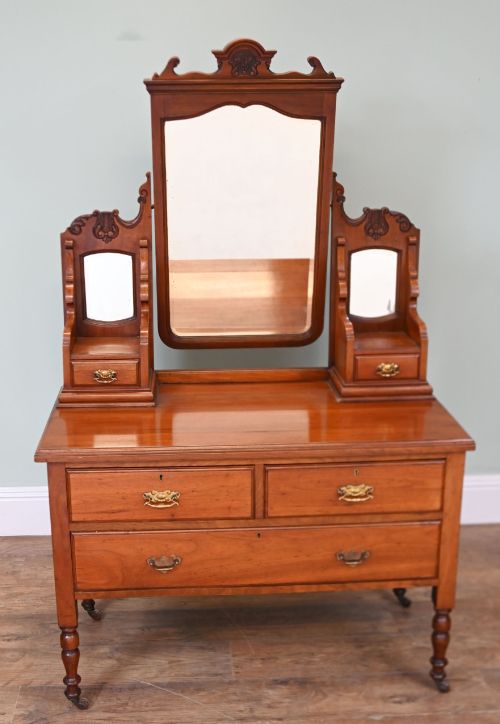
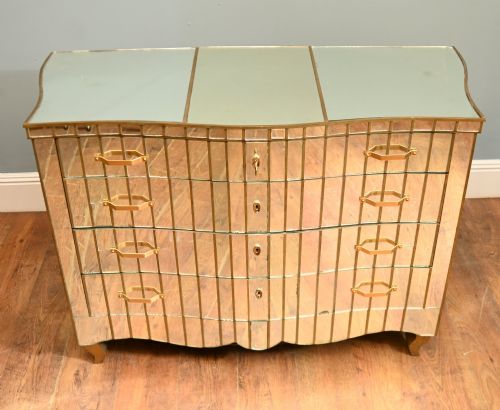
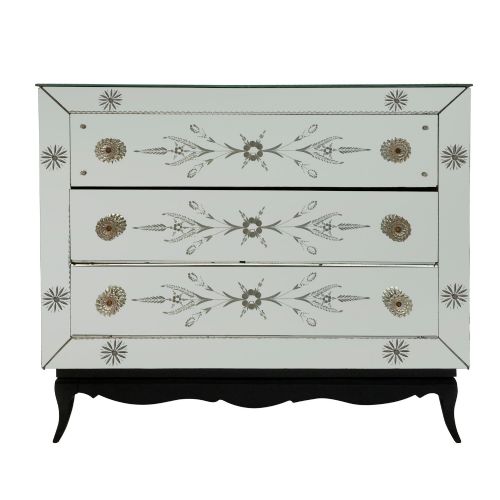
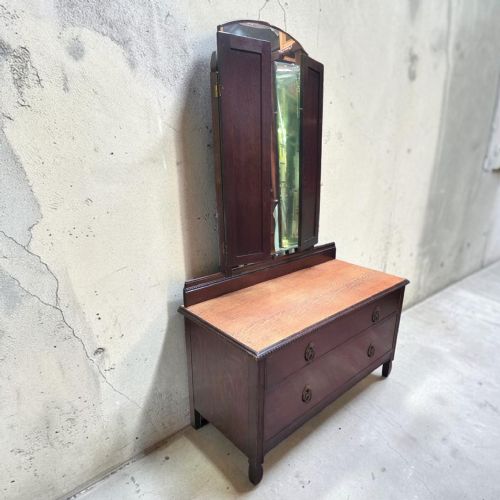
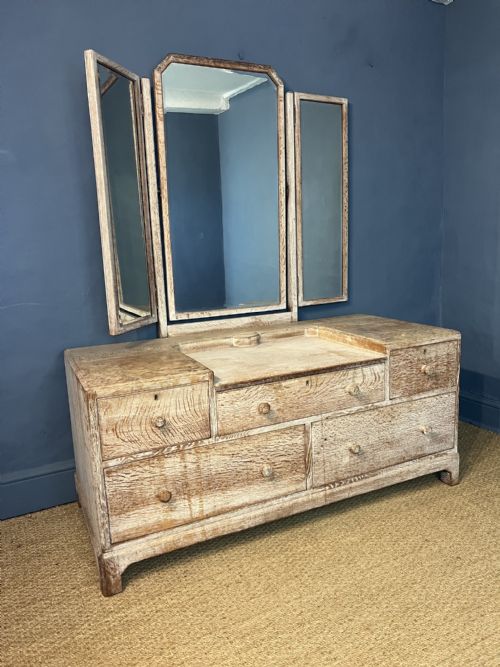
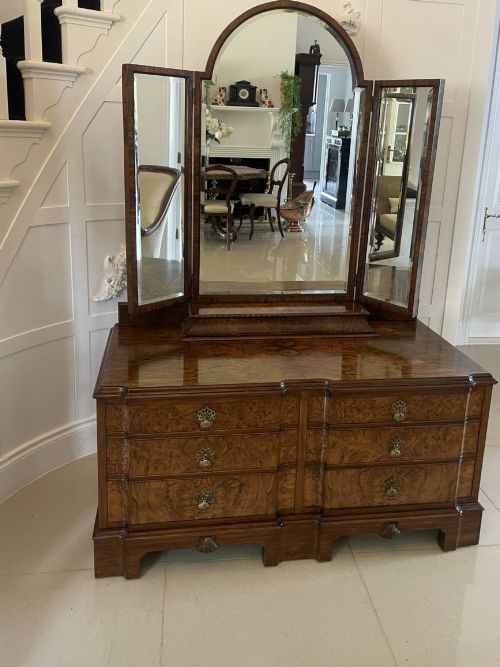
A vintage mirror chest brings together a chest of drawers or dressing table with an integrated glass mirror, serving as a traditional bedroom furniture piece. When searching for a vintage mirror chest, buyers encounter items ranging from Edwardian and Victorian designs to later Art Deco and 1930s creations.
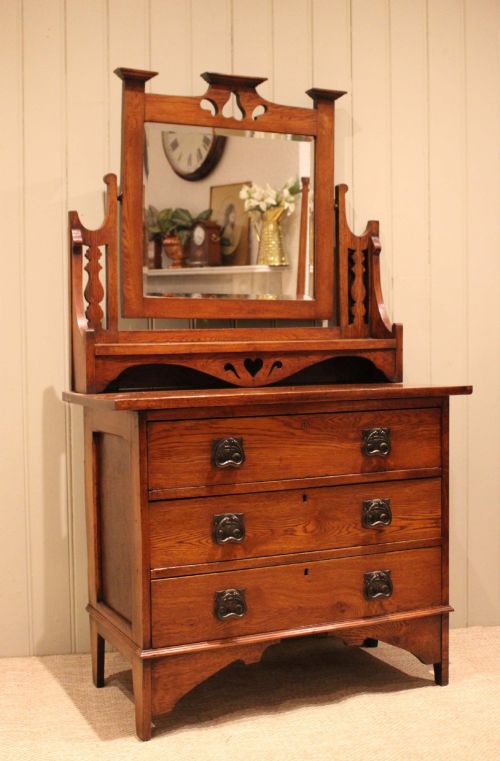
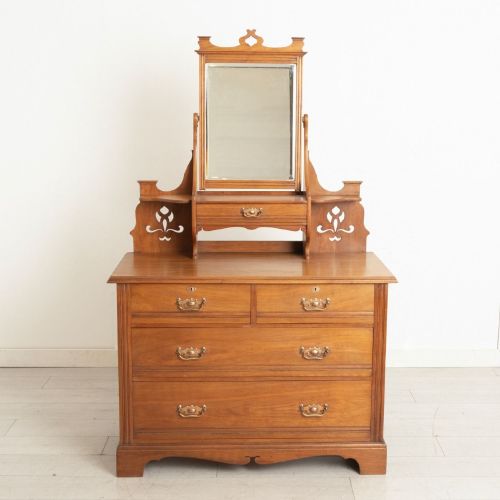
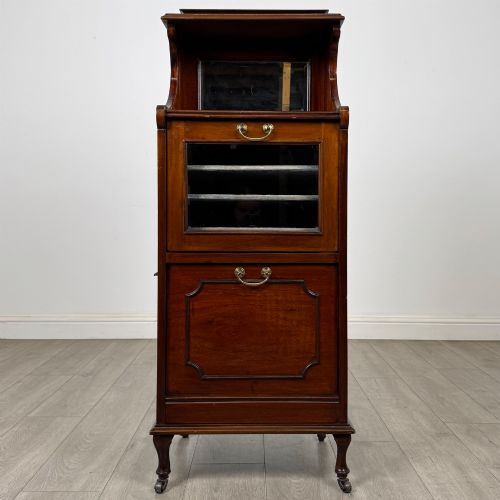
The selections on this page span several decades and styles, including Arts & Crafts oak furniture, walnut dressing chests, and French commodes. Pieces frequently incorporate dressing chests, washstands, and cabinets fitted with swing or fixed mirrors.
Origins stretch across British workshops and continental makers, utilising woods such as mahogany, oak, walnut, and pine. The overarching form remains rooted in domestic storage and personal grooming.
How they were made
Cabinet makers utilised solid timbers such as oak, mahogany, and walnut alongside pine for internal construction, often applying decorative veneers like burr walnut or satinwood inlay. Frames were joined using traditional techniques to ensure stability for heavy timber drawers and upright mirror supports.
Glass mirrors were silvered and fitted into adjustable frames or secured to the backing boards of dressing chests. Brass hardware, including swing handles and key escutcheons, completed the construction of these functional items.
Vintage Mirror Chest Retail Price Guide 2026
Typical asking prices for vintage mirror chest among the pieces listed under this phrase on Sellingantiques today, from the lower quarter to the upper quarter. They describe what is for sale here now, not the wider market.
Secret compartments in dressing chests occasionally hide love letters left behind by Victorian owners.
What varies in quality
The calibre of a piece is determined by the selection of timber grain, the precision of marquetry inlay, and the structural integrity of the drawer joints. Superior examples demonstrate careful matching of veneers and robust framing that supports heavy mirror glass without warping.
Attribution to known makers or workshops elevates a piece, as does the retention of original bevelled mirror glass and brass fittings. Finer items exhibit refined carving and balanced proportions across the chest and its attached mirror.
Shapland & Petter·Heals·Edwards & Roberts
The Vintage Mirror Chest Glossary
- Dressing Chest
- A low chest of drawers fitted with an upright mirror, designed for bedroom use. It provides surface space alongside compartmentalised storage.
- Swing Mirror
- A reflective glass plate mounted on pivots within a frame, allowing the angle to be adjusted. This is commonly found on top of dressing tables.
- Marquetry
- Decorative woodwork where pieces of veneer are applied to a structure to form intricate patterns. This technique appears on Victorian and Edwardian drawer fronts.
- Chinoiserie
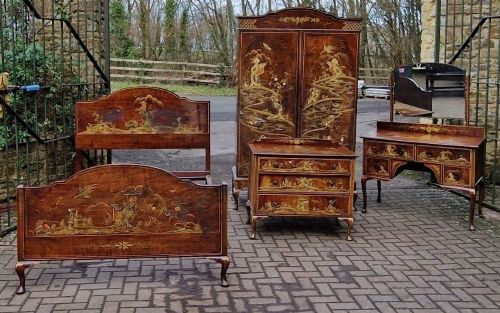
- A decorative style reflecting Chinese artistic motifs, seen on late Edwardian painted or lacquered bedroom suites.
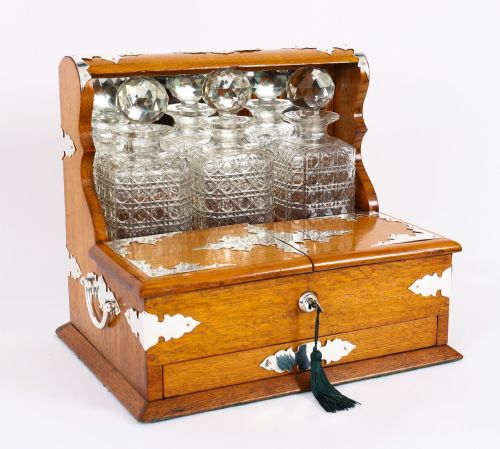
- Tantalus
- A locking wooden frame holding decanters, designed to display contents while preventing access without a key.
Vintage Mirror Chest: Frequently Asked Questions
What is a vintage mirror chest?
A vintage mirror chest is a piece of bedroom furniture combining a set of drawers with an attached or integrated mirror. These items function as dressing tables, commodes, or storage chests.
They emerged strongly during the Victorian and Edwardian periods, continuing into the 1930s with Art Deco designs. The mirror is typically supported by upright arms or fixed directly to the back of the cabinet.
How do I date a mirror chest?
Dating relies on identifying the prevailing timber, construction methods, and stylistic details. Oak and Arts & Crafts designs often point towards the late nineteenth or early twentieth century.
Later 1930s items display Art Deco geometric lines or limed oak finishes associated with contemporary manufacturers. Hardware styles and mirror bevelling also offer clues to the decade of production.
Can the mirror be removed?
Many mirrors on these chests are attached with screws to vertical wooden supports and can be detached for transport. Fixed mirror backs remain integrated with the main body of the cabinet.
Care must be taken when dismantling older brass fixings to prevent damage to the surrounding timber framework.
How do I care for the wood?
Maintenance involves dusting with a dry cloth and applying occasional quality beeswax to nourish the timber. Direct sunlight and excessive moisture should be avoided to protect the polish and veneer.
Glass mirrors can be cleaned with standard glass cleaner applied to a cloth rather than sprayed directly onto the surface.