



Vintage Metal Tub
Vintage metal tub describes heavy copper, brass, and galvanised vessels that bring utilitarian craft into modern interiors.
Vintage Metal Tub
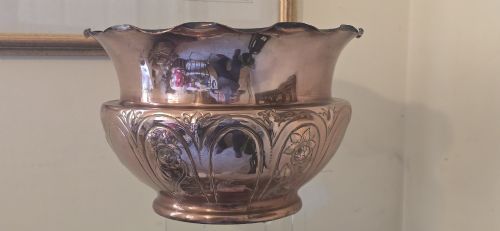
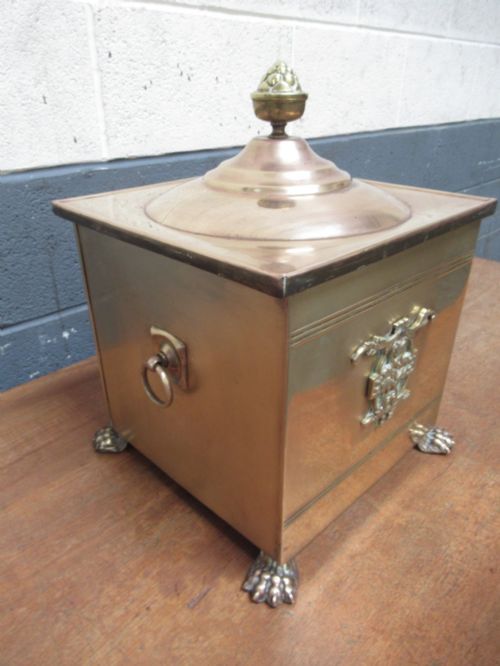
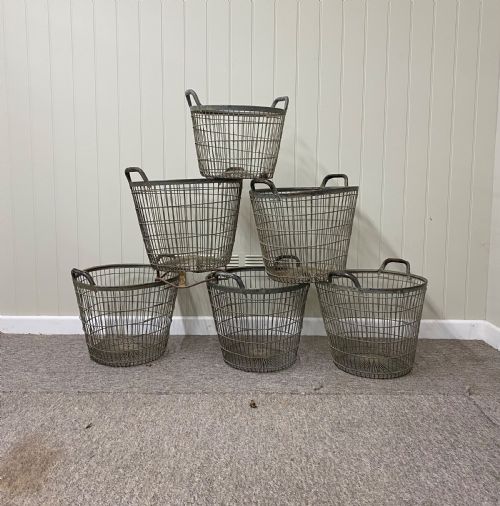
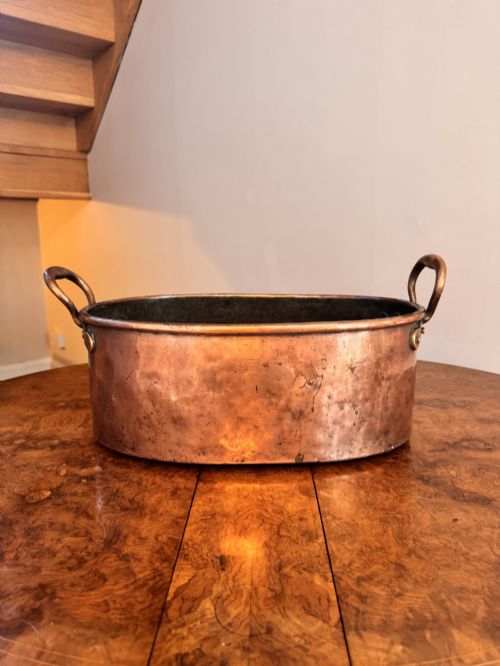
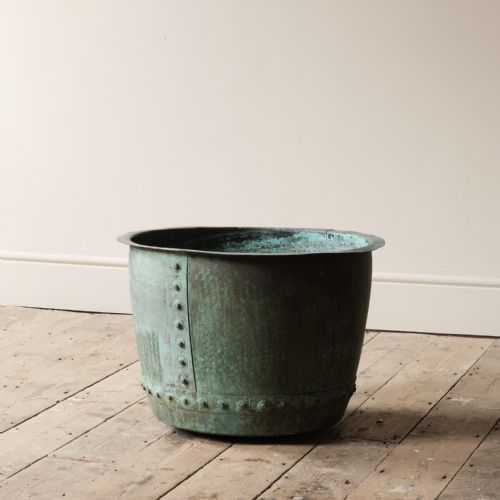
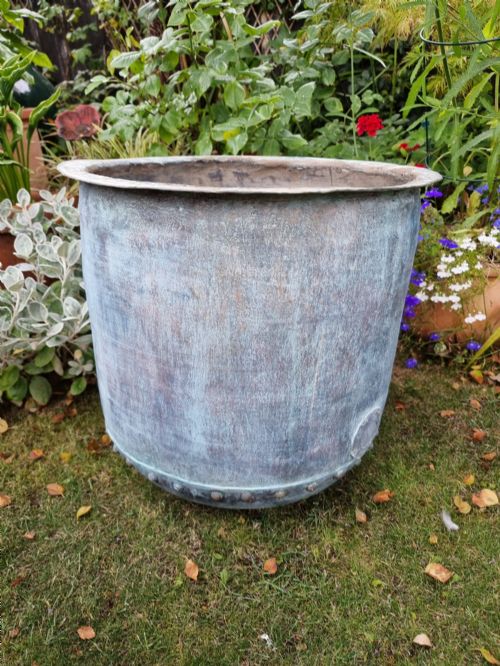
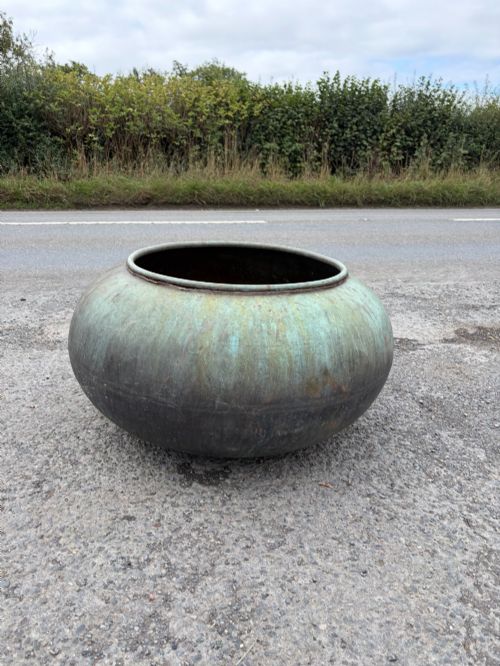
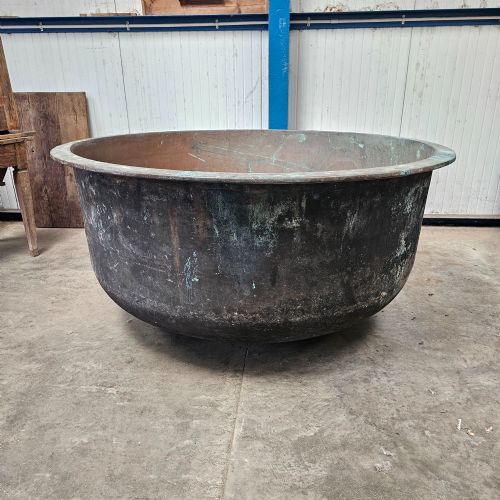
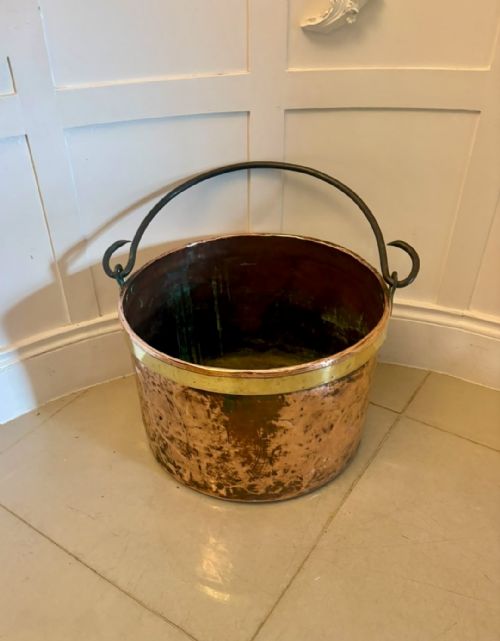
A vintage metal tub covers a wide group of heavy utilitarian vessels, from nineteenth-century copper boilers and cheese vats to galvanised washing tubs. Buyers seek these objects for practical storage or garden display, with copper planters and log bins appearing most frequently on this page.
Origins stretch across nineteenth-century English, French, and Georgian workshops, spanning styles from rustic farmhouse to arts and crafts. Pieces range from large grain measures and footbaths to lidded coal buckets and garden display pots.
Materials and construction methods
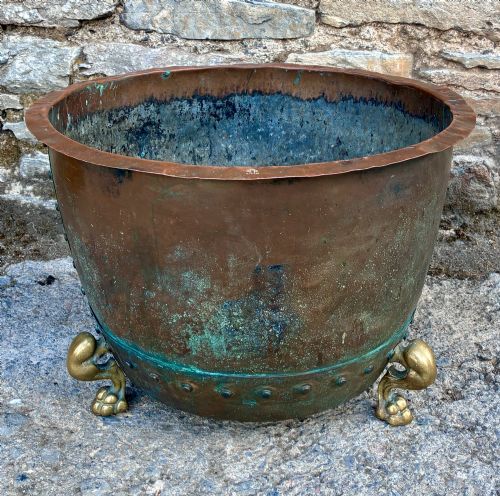
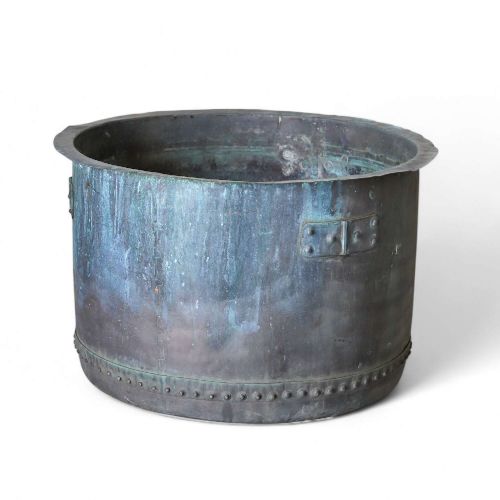
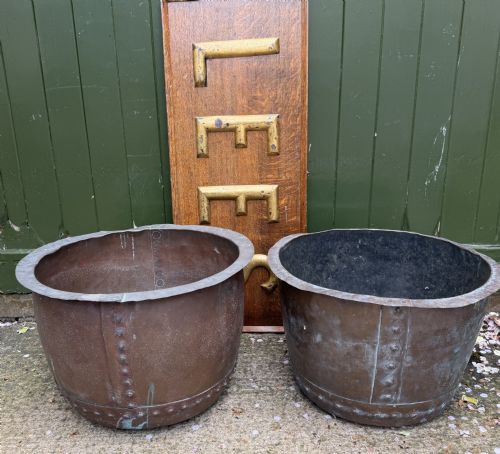
Construction relies heavily on hand-beaten copper and brass fastened with structural rivets. Iron and wrought iron swing handles or bands add durability to large cauldrons and grain measures.
Galvanised metal and toleware provide alternative surfaces on nineteenth-century utility pieces, while verdigris finishes and natural patinas develop through age and exposure.
Vintage Metal Tub Retail Price Guide 2026
Typical asking prices for vintage metal tub among the pieces listed under this phrase on Sellingantiques today, from the lower quarter to the upper quarter. They describe what is for sale here now, not the wider market.
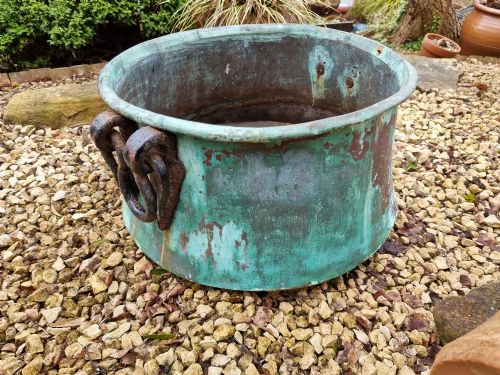
Several copper coppers retain the exact green verdigris of centuries spent outdoors in rain and French country air.
What separates pieces by quality
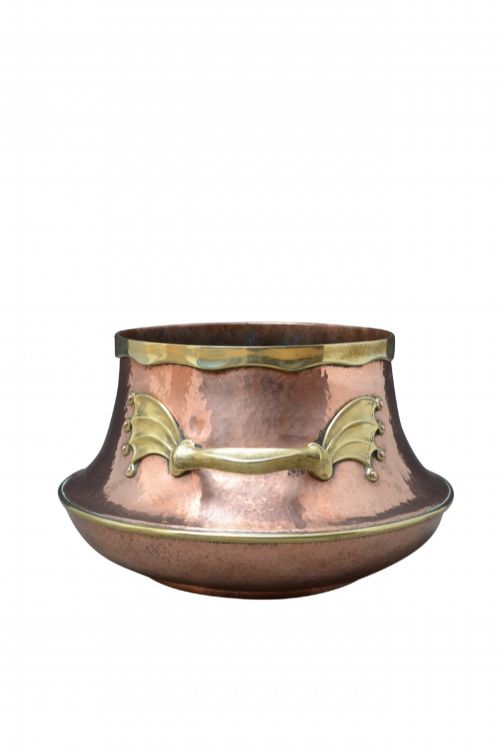
Quality rests in the integrity of the hand-riveting, the thickness of the metal sheet, and the balance of applied brass mounts or crests. Heavy gauge copper that retains its structural form without excessive distortion marks superior examples.
The character of the surface finish defines visual appeal, where undisturbed verdigris and honest weathering separate working vessels from overly polished items.
The Vintage Metal Tub Glossary
- Patina
- The surface sheen and oxidation developed through age and handling. This natural layer distinguishes older metalwork from recent reproductions.
- Verdigris
- The green patina formed on copper or brass through atmospheric oxidation. Collectors often prize this weathered surface for its visual depth.
- Cauldron
- A large round metal pot with a swing handle, traditionally used for boiling liquids over a fire. Many surviving examples now function as planters.
- Jardiniere
- An ornamental pot or stand designed to hold growing plants or flowers. These vessels often incorporate decorative brass handles or crests.
- Cellarette
- A lockable container used for storing wine bottles near the dining table. Nineteenth-century versions occasionally utilise metal linings or wooden bands.
Vintage Metal Tub: Frequently Asked Questions
How do I clean an old copper tub?
Wash the surface gently with warm soapy water and a soft cloth to remove dust and dirt. Avoid harsh abrasives that strip away the natural patina.
Leave the verdigris intact, as collectors value the aged surface character. Dry the metal thoroughly after cleaning to prevent spotting.
Can I use these metal tubs outdoors?
Copper, brass, and galvanised iron resist weathering well and suit garden display or planting schemes. Ensure adequate drainage if you plant directly inside the vessel.
Protect iron-handled pieces from standing water to minimise rust formation. Heavy frost can stress damp vessels, so store delicate items under cover during winter.
What is the difference between a log bin and a jardiniere?
Log bins are deep, sturdy vessels intended for holding firewood near a fireplace. They usually feature robust handles and thick metal walls to withstand heavy loads.
Jardineres focus on decorative display, often showcasing finer brass mounts, crests, or hammered surfaces. They are generally scaled for holding potted plants indoors.
How do I date a nineteenth-century metal tub?
Examine the construction methods, such as hand-beaten hammering marks versus machine rolling. Rivets on early pieces are typically hand-finished and irregular.
Check for maker stamps, regional weight measures, or specific Georgian and Victorian design motifs. Style indicators like arts and crafts handles help narrow the manufacturing decade.