






Vintage Metal Storage Box
A vintage metal storage box brings heavy-gauge utility and rugged industrial character straight into domestic rooms.
Vintage Metal Storage Box
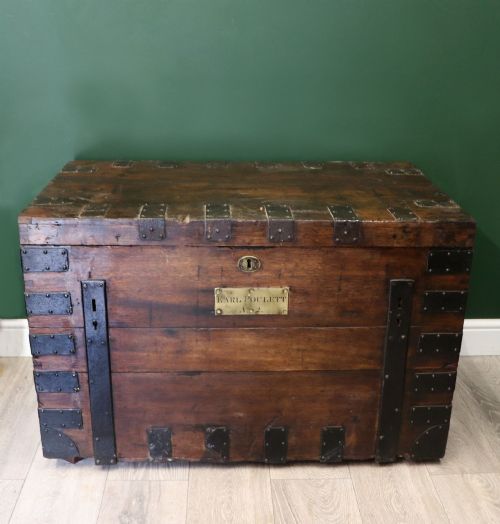
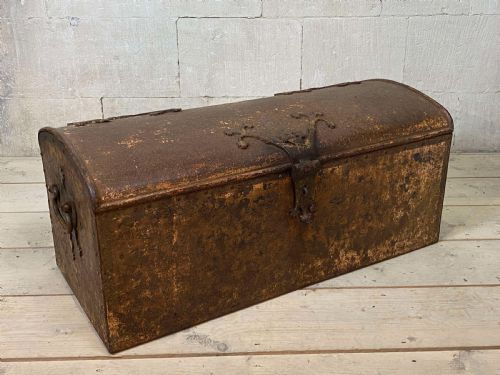
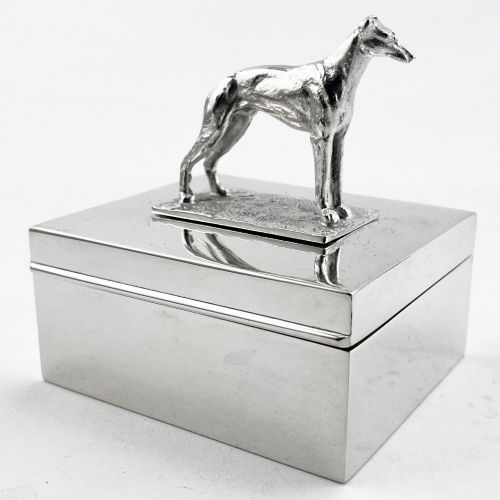
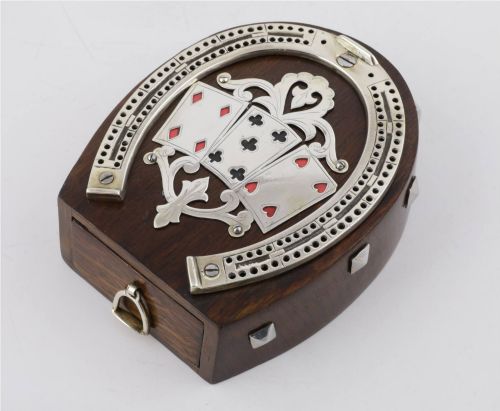
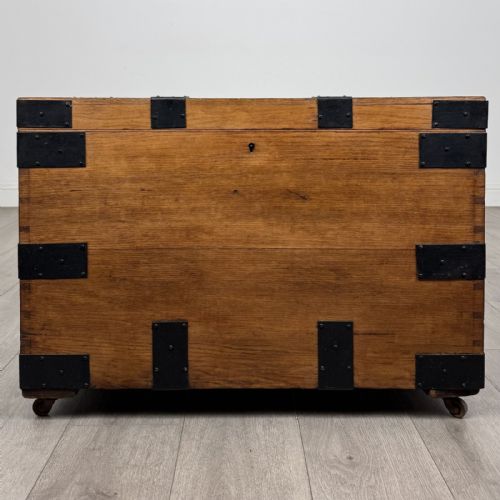
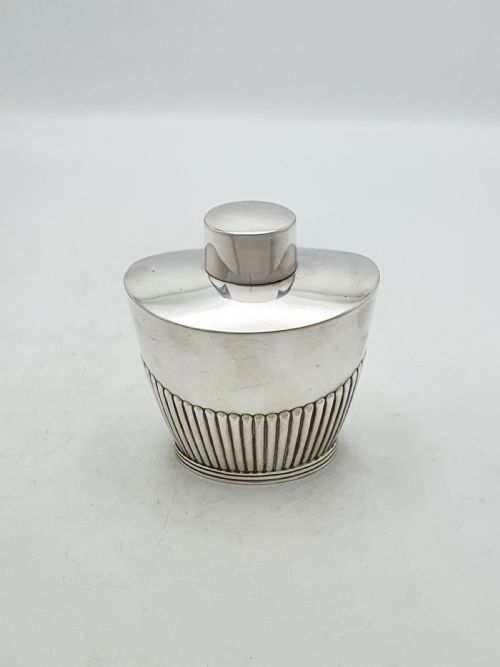
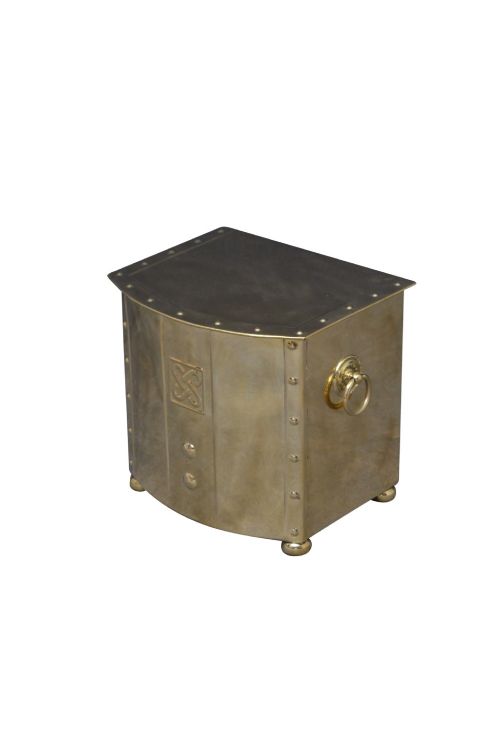
When searching for a vintage metal storage box, collectors encounter a diverse array of utilitarian containers originating from the nineteenth and early twentieth centuries. These pieces range from heavy steel travel trunks and iron-banded chests to painted toleware document tins and small desk accessories.
The selections span distinct periods including the Victorian and Edwardian eras alongside later twentieth-century industrial designs. Forms vary from large shipping luggage and military campaign cases down to compact tea canisters and tobacco jars.
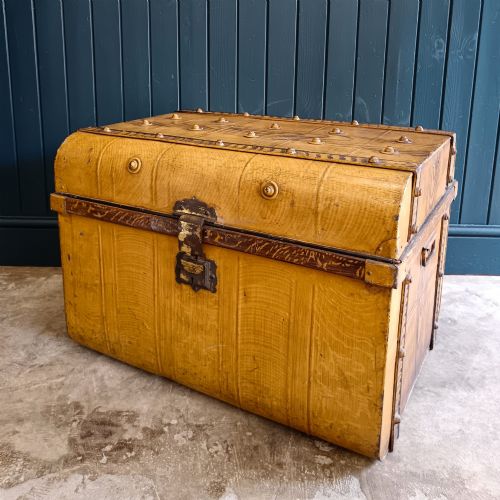
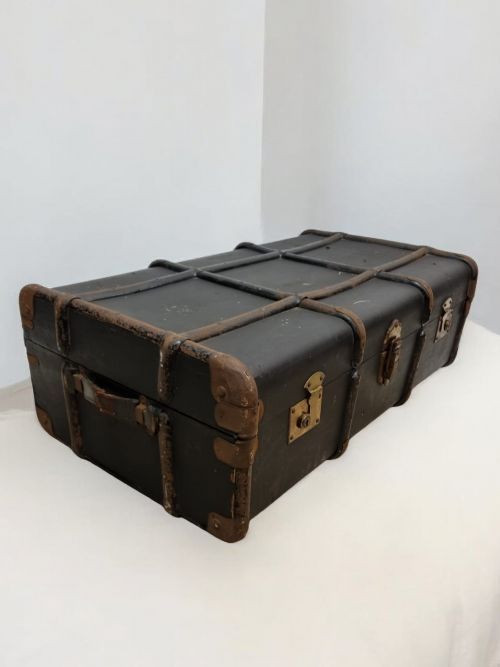
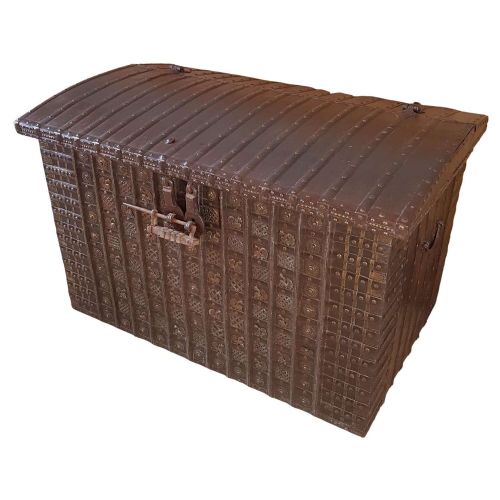
Buyers are most likely to meet sturdy metal-bound trunks in oak and pine, alongside painted steel steamer trunks and utilitarian storage tins. Each item reflects the robust manufacturing standards of its period, designed originally for rigorous travel, office filing, or household storage.
How they were made
Construction relies heavily on durable combinations of iron, steel, and brass working alongside structural timbers like oak and pine. Metal bands, corner brackets, and original latches provide reinforcement to wooden or sheet-metal bodies.
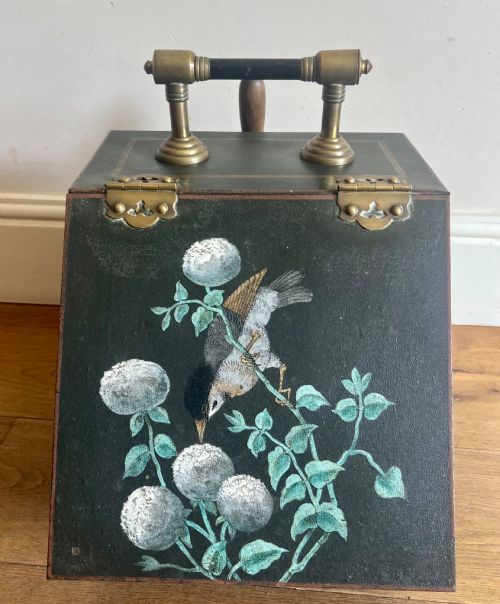
Surface finishes include japanning, faux-wood paint effects, and hand-applied pigments on toleware, which protect the underlying base metals from corrosion. Riveted joints, reinforced seams, and hand-forged hardware demonstrate traditional metalworking techniques tailored for daily endurance.
Vintage Metal Storage Box Retail Price Guide 2026
Typical asking prices for vintage metal storage box among the pieces listed under this phrase on Sellingantiques today, from the lower quarter to the upper quarter. They describe what is for sale here now, not the wider market.
Listings feature items built from iron, brass, steel, oak, and pine across the Victorian, Edwardian, and Art Deco eras.
What varies in quality
Quality rests primarily in the integrity of the original hardware, hinges, and locking mechanisms rather than superficial decorative flourishes. Trunks retaining their manufacturer plates, functional keys, and uncompromised internal linings command greater attention from discerning collectors.
The calibre of the initial construction dictates long-term survival, distinguishing heavy-gauge steel travel luggage and iron-bound silver chests from lighter domestic storage tins. Original surface patination and untouched painted finishes separate pieces preserved in authentic condition from those heavily restored.
Samuel Pratt·Mappin & Webb·Allen of London·Huntley & Palmers·Peek Frean and Co
The Vintage Metal Storage Box Glossary
- Toleware
- Lacquered or enamelled metalware, usually tin or steel, painted with decorative motifs. This technique became popular during the eighteenth and nineteenth centuries for household items such as coal scuttles and document boxes.
- Campaign case
- Portable furniture and luggage constructed for military officers on the move. These pieces typically feature brass corners, recessed carrying handles, and robust internal compartments designed to withstand arduous transport.
- Steamer trunk
- A lower-profile travel trunk developed to fit inside the restricted cabin luggage compartments of ocean liners. They often combine a wooden core with a waterproof metal or canvas outer skin.
- Japanning
- A type of European finish that emulates Asian lacquerware using heat-applied varnishes. It provides a hard, glossy protective coating frequently found on nineteenth-century metal boxes and document tins.
Vintage Metal Storage Box: Frequently Asked Questions
How do I clean a metal trunk?
Dust the surface gently with a soft dry cloth to remove loose particles without disturbing the underlying patina.
Avoid harsh chemical solvents or abrasive scourers that might strip original painted finishes or vintage japanning.
Were these trunks used for travel?
Many heavy steel and iron-bound examples served as ocean-going shipping luggage or military campaign transport.
Smaller tins and document boxes remained stationary in offices, country houses, and retail shops for daily record keeping.
How do I date a metal box?
Examine the construction methods, fastener types, and any maker plates or stamps fixed to the exterior.
Stylistic cues such as brass corner brackets, hand-forged iron bands, and specific paint techniques align pieces with Victorian or Edwardian manufacturing periods.
Can I use these for modern storage?
These robust containers suit contemporary living rooms and bedrooms perfectly for stowing blankets, books, or bulky items.
Ensure internal wooden or metal surfaces are clean and dry before placing textiles or papers inside.