


Vintage Metal Mould
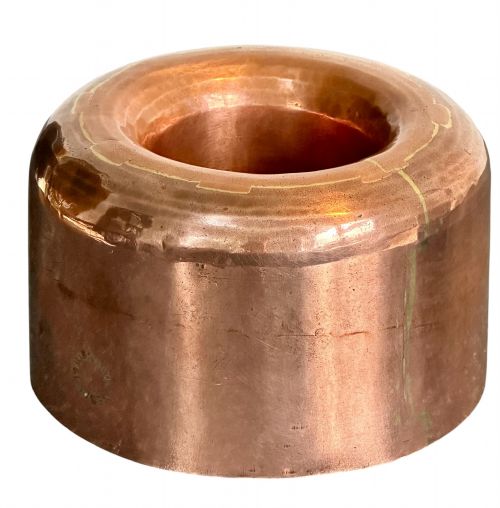
A vintage metal mould brings solid substance and industrial pattern to a modern shelf, offering kitchenware and hat blocks shaped by past utility.
Vintage Metal Mould
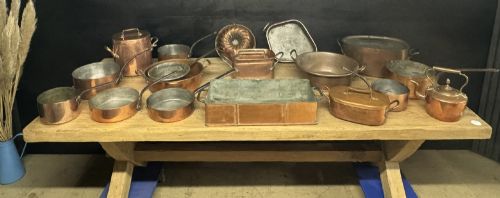
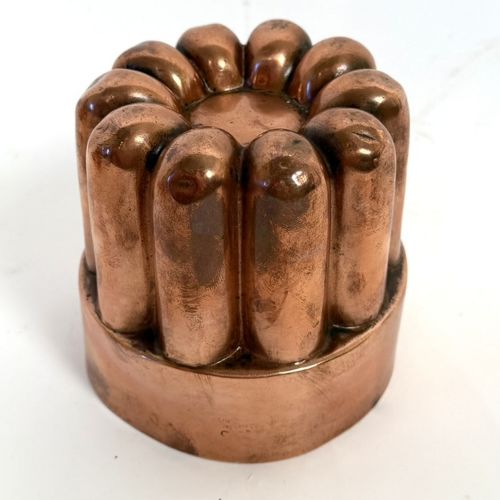
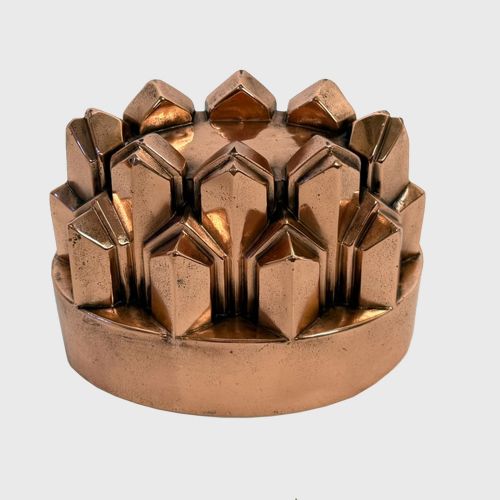
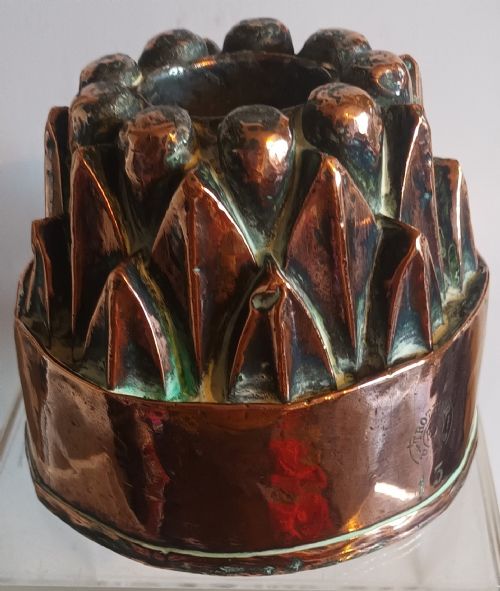
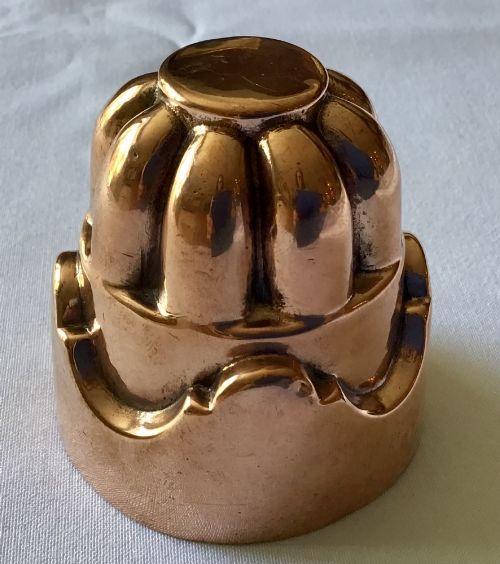
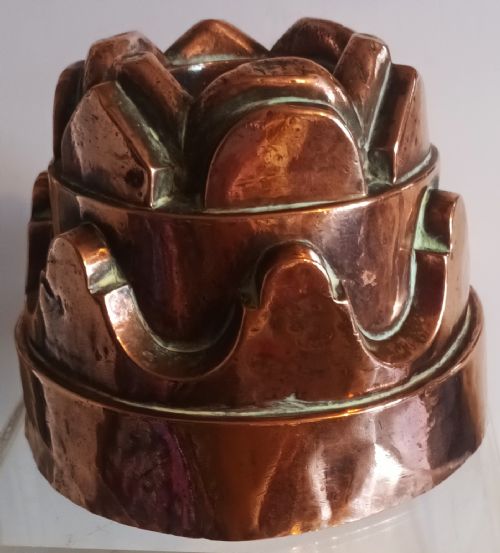
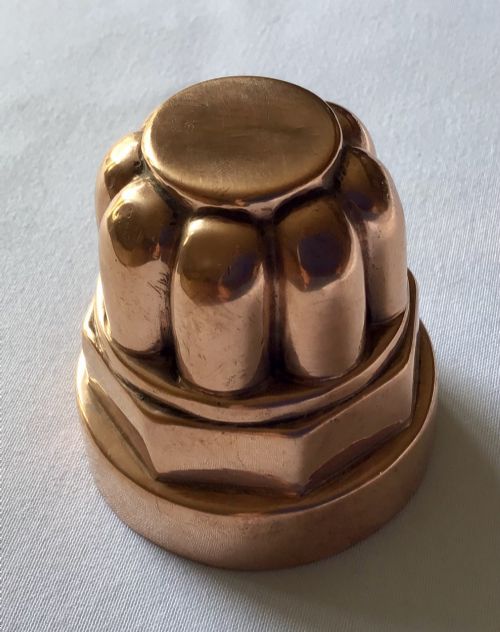
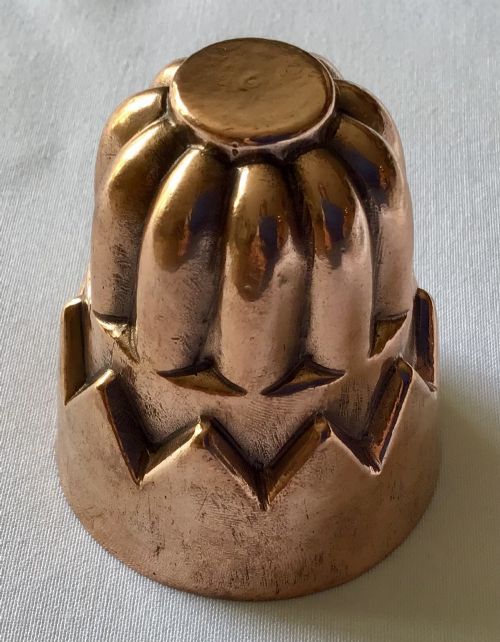
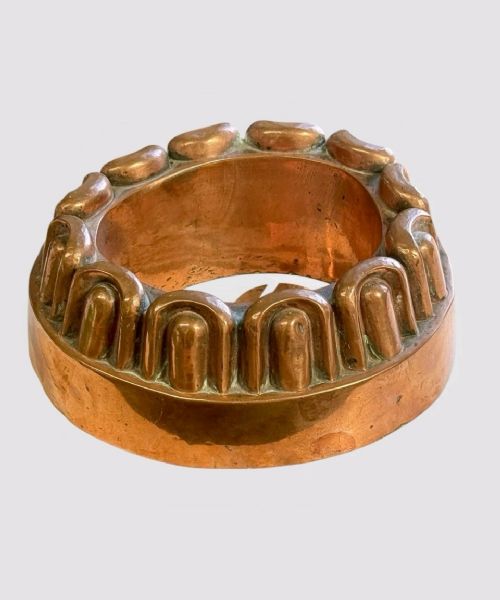
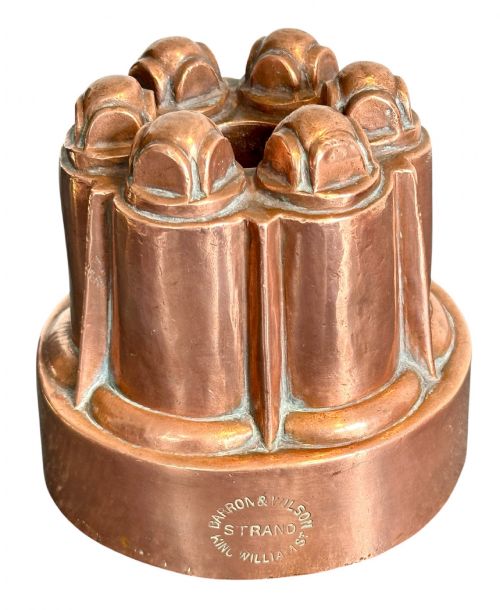
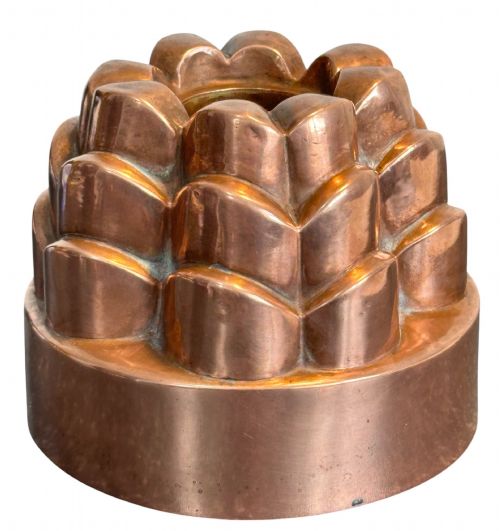
A vintage metal mould encompasses heavy copper jelly moulds, culinary kitchenware, and industrial aluminium hat blocks or glove moulds found within these listings. These items cross multiple eras, spanning the Victorian period, the nineteenth century, and the nineteen-twenties.
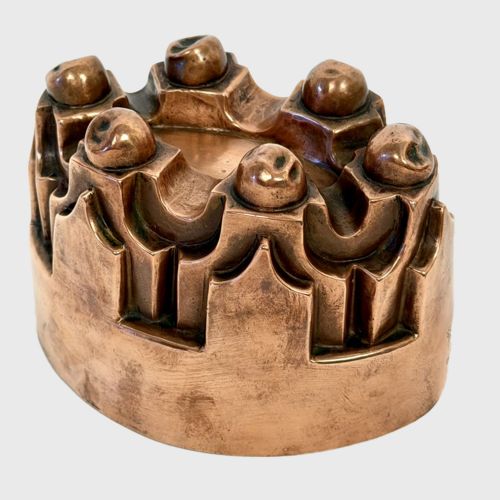
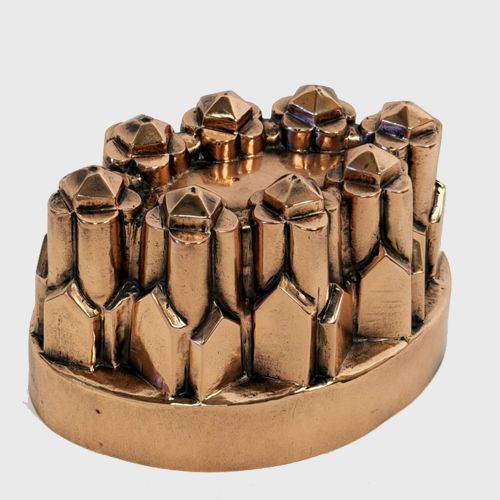
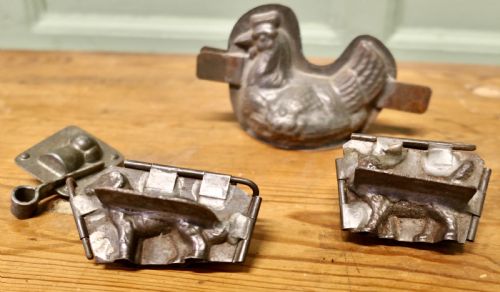
Kitchen forms dominate the selection, particularly copper jelly and chocolate moulds featuring animal shapes or castle tops alongside lidded ice cream pots. Millinery and garment production add a separate industrial category through aluminium hat blocks and glove moulds.
Materials and construction methods
Copper dominates the culinary items, frequently lined with tin for safe food contact during the nineteenth and Victorian periods. Brass, pewter, tin, and tinned steel appear alongside these copper vessels.
Aluminium serves as the primary material for the millinery and glove moulds originating from the nineteen-twenties and thirties. Metal casting and panel shaping create the rigid forms required for shaping hats and gloves.
Vintage Metal Mould Retail Price Guide 2026
Typical asking prices for vintage metal mould among the pieces listed under this phrase on Sellingantiques today, from the lower quarter to the upper quarter. They describe what is for sale here now, not the wider market.
Listings combine nineteenth-century copper kitchenware with twentieth-century aluminium hat blocks and glove moulds.
Assessing quality in metal moulds
Quality rests upon the crispness of the interior or exterior detail, particularly in animal shapes and architectural motifs such as castle tops. Thicker gauge metals and intact internal tin linings demonstrate superior original manufacture.
The precision of the casting distinguishes standard utility items from finer examples, especially in aluminium hat blocks and detailed chocolate moulds.
Trottier·Muller Bros·René Lalique·Harrods
The Vintage Metal Mould Glossary
- Jelly mould
- A culinary vessel designed with internal fluted or figurative patterns to shape jellies and aspics. These were typically produced in copper during the nineteenth century.
- Hat block
- A rigid form used in millinery to shape hats during manufacture. Aluminium versions from the twentieth century appear frequently in industrial contexts.
- Tin lined
- A protective coating applied to the interior of copper cooking vessels to prevent food from contacting the reactive copper base. This layer is fundamental to antique kitchenware.
- Ice cream mould
- A lidded metal container placed in ice to freeze individual portions into specific shapes. These represent specialised nineteenth-century confectionery equipment.
- Chocolate mould
- A hinged or multi-part metal form used by confectioners to cast solid or hollow chocolate figures. Animal designs such as cats and dogs are common examples.
Vintage Metal Mould: Frequently Asked Questions
What were copper jelly moulds used for?
Kitchens utilised these vessels to shape jellies, aspics, and savory dishes for formal dining tables.
The intricate internal designs ensured the turned-out food displayed complex geometric or figurative patterns.
How do I clean antique copper moulds?
Gentle washing with warm soapy water preserves the exterior patina and the internal tin lining.
Harsh chemical polishes should be avoided to retain the natural aged surface developed over decades.
What are aluminium hat blocks?
Milliners employed these rigid metal forms to press and dry hats into specific fashionable shapes.
Their robust construction allowed repeated exposure to heat and moisture during the hat-making process.
Are chocolate moulds safe for food?
Many vintage examples served commercial confectionery production and require careful assessment of their metal composition.
Most buyers display them as decorative kitchenalia rather than using them for modern food preparation.