




Vintage Metal Horse
These vintage metal horse figures span centuries of craft, offering solid brass, iron, and bronze pieces built to anchor a room.
Vintage Metal Horse
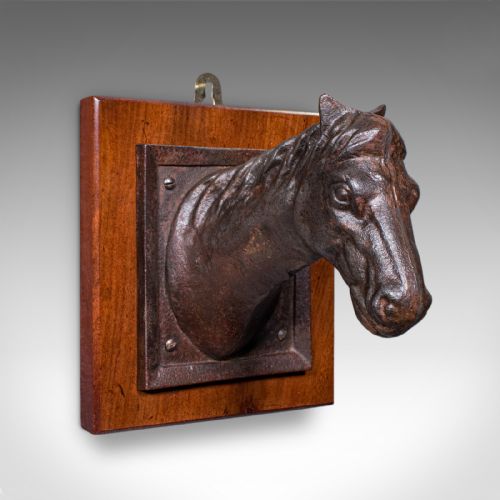
When you search for a vintage metal horse, you encounter everything from heavy cast iron doorstops and hitching posts to delicate Austrian cold-painted bronzes and grand animalier sculptures. These utilitarian and decorative objects emerge from periods ranging from the seventeenth century through the Edwardian era and the 1920s.
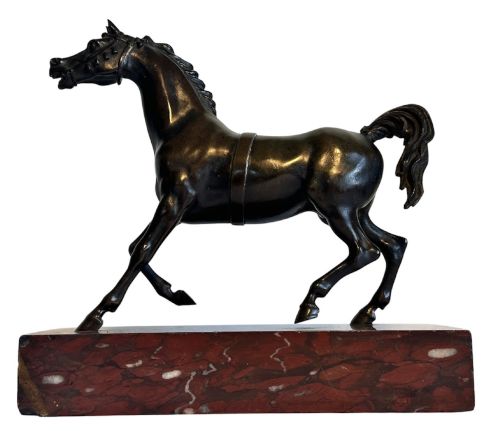
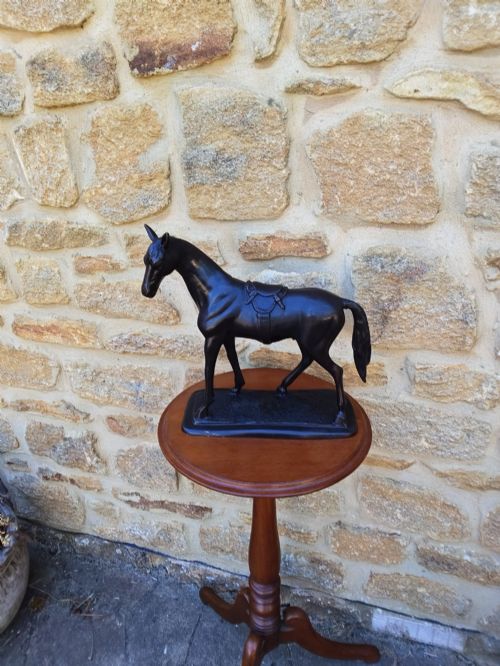
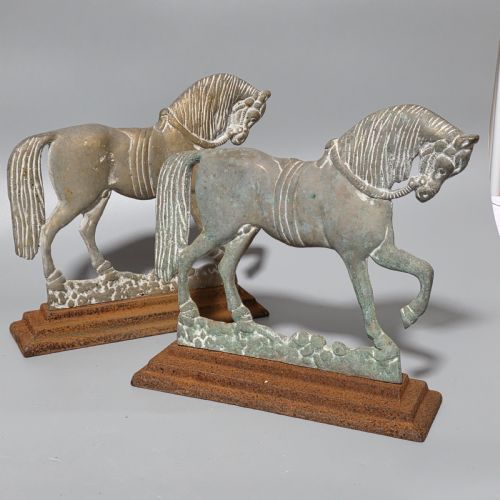
The most common examples on this page are nineteenth-century cast brass and iron doorstops, alongside early twentieth-century bronze desk accessories and architectural copper weathervanes. Each piece reflects the functional needs or artistic tastes of its original maker, utilising sturdy metals to capture the posture of a stallion or rearing horse.
How they were made
Foundry workers utilised traditional sand-casting methods for heavier items like cast iron doorstops and hitching posts, pouring molten metal into moulds and finishing the surfaces by hand. Sheet iron and copper were beaten, cut, and shaped for architectural uses such as weathervanes.
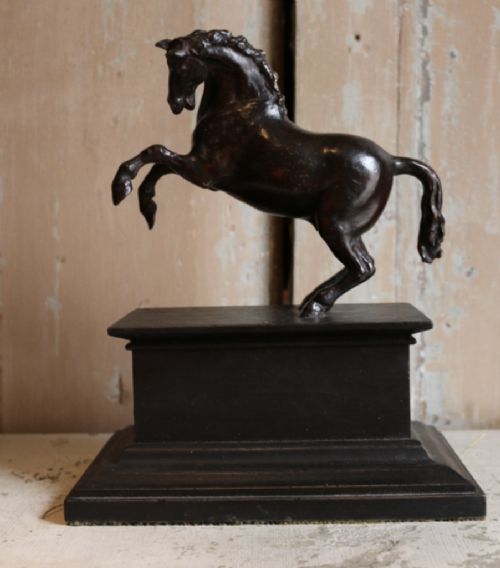
Finer decorative items, including bronze sculptures and desk tidies, often underwent the lost-wax casting process before receiving applied patination, gilding, or cold-painted enamel details. Brass items were cast and subsequently polished, turning utility items into decorative focal points.
Vintage Metal Horse Retail Price Guide 2026
Typical asking prices for vintage metal horse among the pieces listed under this phrase on Sellingantiques today, from the lower quarter to the upper quarter. They describe what is for sale here now, not the wider market.
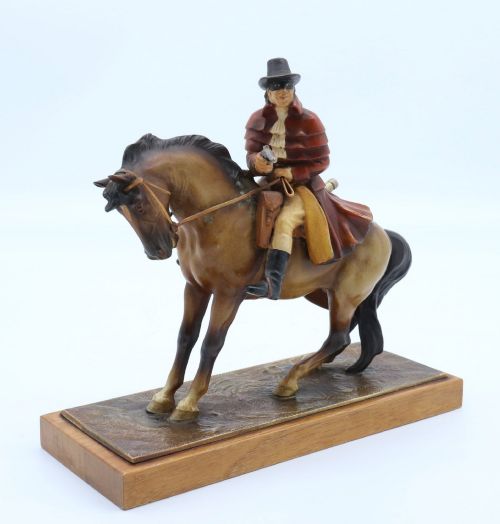
Dick Turpin makes an unexpected appearance as a table cigarette lighter riding alongside the metal horses.
What varies in quality
Original surface finishes, such as preserved cold-painted polychrome or an aged bronze patina, elevate a piece above examples that have undergone aggressive cleaning or modern repainting. The integrity of the underlying metal, whether heavy cast iron or robust sheet copper, dictates the structural survival of functional items like doorstops and weathervanes.
The Vintage Metal Horse Glossary
- Animalier
- A nineteenth-century art movement and style focusing on the realistic depiction of animals, particularly horses and lions, in bronze and other metals.
- Cold-painted bronze
- A technique where bronze figures are painted with cold enamel paints rather than being fired in a kiln, popular in Vienna during the late nineteenth and early twentieth centuries.
- Doorstop
- A heavy utilitarian object, frequently cast in iron or brass in the form of a horse, designed to hold doors open in homes and public buildings.
- Grand Tour
- A cultural educational trip undertaken by wealthy Europeans in the eighteenth and nineteenth centuries, bringing home small bronze sculptures and souvenirs.
Vintage Metal Horse: Frequently Asked Questions
How do I clean a brass horse doorstop?
Dust the surface gently with a soft dry cloth to remove everyday accumulation. Avoid harsh chemical polishes that strip away the aged patina accumulated over decades.
Allow the natural metallic lustre to show through without attempting to achieve a mirror finish. Preserving the original surface maintains the historical character of the casting.
Are these iron horse figures magnetic?
Cast iron and sheet iron pieces will attract a magnet strongly because of their high iron content. Brass, bronze, and copper objects are non-ferrous and will not react to a magnet.
Testing with a magnet provides a straightforward method to distinguish between iron doorstops and copper or brass decorative items.
Where were Austrian bronze horses made?
These miniature decorative bronzes originated primarily in Vienna workshops during the late nineteenth and early twentieth centuries. Skilled artisans cast and hand-painted the intricate figures.
The distinct cold-painted technique differentiates them from French or English bronzes of the same period.
Can I mount a copper weathervane outside?
Copper and sheet iron weathervanes were built for exterior architectural placement on roofs and outbuildings. They weather naturally when exposed to the elements over time.
Historic outdoor pieces benefit from secure mounting brackets to withstand wind pressure without compromising the original metal structure.