



Vintage Metal Decanter
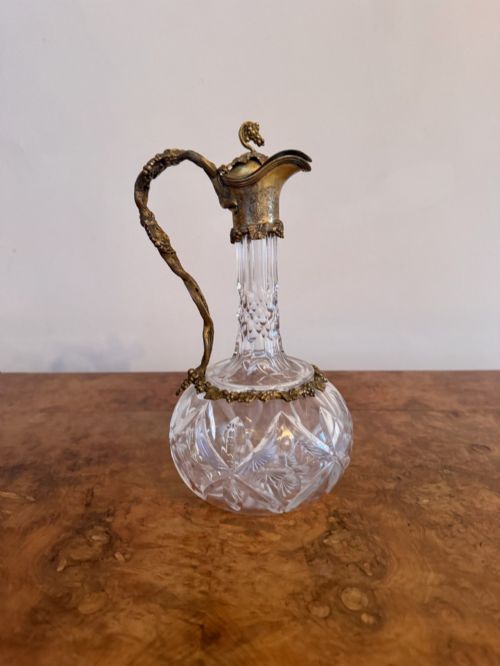
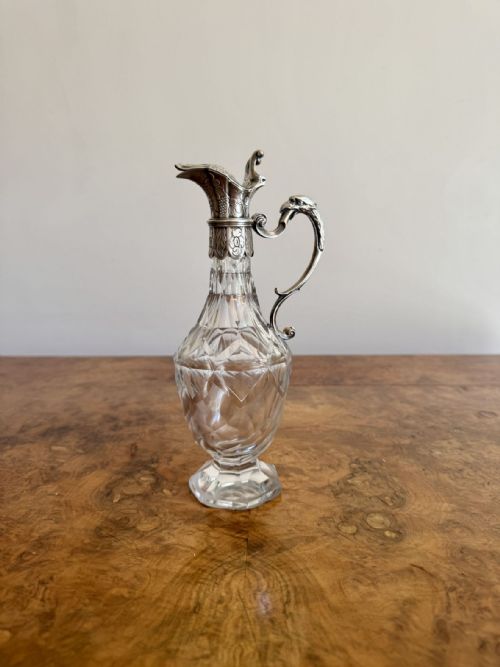
These vintage metal decanter pieces bring sculptural form to the table, combining heavy glass bodies with worked mounts.
Vintage Metal Decanter
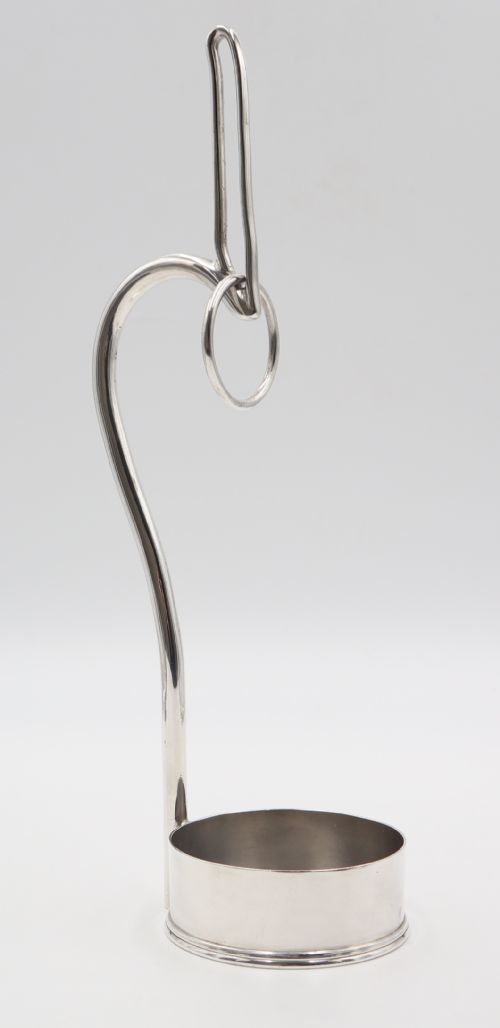
A vintage metal decanter brings together utilitarian wine containers and decorative vessels mounted in silver plate, brass, copper, and white metal. The selection includes ewers, jugs, wine bottle holders, coasters, and spirit dispensers spanning the Victorian era through the early twentieth century.
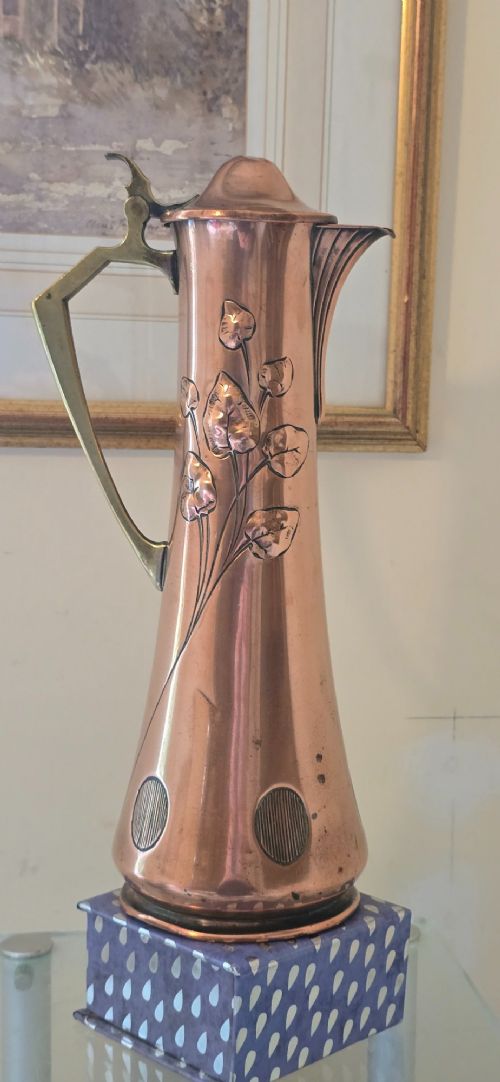
Buyers encounter distinct design movements within these listings, notably the flowing organic lines of Art Nouveau alongside more restrained Edwardian and nineteenth-century Continental forms. These vessels served to hold and pour wine or spirits at the dining table, often pairing clear, cut, or amber glass with ornate metalwork.
The assortment ranges from German spirit ewers and WMF jugs with mermaid handles to simple silver-plated bottle holders featuring central shields. Dating primarily from around eighteen eighty to nineteen twenty, these pieces demonstrate the varied ways makers married glassware with decorative metal mounts.
How they were made
Makers constructed these vessels by combining blown or cut glass bodies with cast, wrought, and silver-plated metal mounts. Artisans utilised base metals, white metal, copper, and brass to form handles, collars, and hinged lids that secured firmly around the glass necks.
Surface decoration relies on engraved glass patterns, floral relief designs, and silvered pewter finishes achieved through specialised casting and chasing techniques. The integration of metal collars required precise fitting to ensure stability during pouring.
Vintage Metal Decanter Retail Price Guide 2026
Typical asking prices for vintage metal decanter among the pieces listed under this phrase on Sellingantiques today, from the lower quarter to the upper quarter. They describe what is for sale here now, not the wider market.
Listings span the Victorian era, eighteen eighty, nineteen hundred, nineteen ten, and nineteen twenty, uniting cut glass, amber glass, silver plate, copper, and brass.
What varies in quality
Quality in these pieces depends on the crispness of the metal relief work and the proportional harmony between the glass body and its mounts. Heavy casting in the mounts and intricate detailing, such as figural handles, distinguish finer examples from standard production items.
The clarity and weight of the glass, whether cut or amber coloured, also separate standard vessels from more ambitious works. Well-preserved plating and secure mounting without movement at the collar indicate superior original construction.
WMF
The Vintage Metal Decanter Glossary
- Silver Plate
- A thin layer of silver applied to a base metal core such as copper or brass. This technique allowed manufacturers to produce lustrous tableware at a lower cost than solid silver.
- Ewer
- A large jug with a wide spout and a decorative handle, historically used for pouring water or wine. In this selection, ewers frequently feature elaborate metal mounts and glass bodies.
- Art Nouveau
- An international style of art and architecture prominent from the late nineteenth century until the First World War. It is characterised by serpentine lines and motifs inspired by natural forms.
- White Metal
- An alloy of relatively low melting point metals, often used as a base for plating or as a structural material in decorative wares. It provides a stable armature for complex cast designs.
- Coaster
- A small tray or stand placed on a table to hold a bottle or decanter. These items often incorporate gallery rims of pierced or solid metal.
Vintage Metal Decanter: Frequently Asked Questions
What are vintage metal decanters made of?
These vessels combine glass bodies with mounts made from silver plate, brass, copper, white metal, and wrought iron. The glass itself appears in clear cut varieties as well as amber coloured tones.
Makers selected these materials to create durable yet decorative tableware suitable for formal dining and entertaining.
How were these decanters used originally?
They served to hold, dispense, and present wine, spirits, and other beverages at the table. Ewers and jugs functioned as pouring vessels, while bottle holders and coasters kept containers secure.
Many designs incorporated hinged lids and ergonomic handles to facilitate easy pouring during meals.
How do I date a vintage metal decanter?
Dating relies on stylistic clues, such as the flowing organic motifs of Art Nouveau or the more restrained aesthetic of Edwardian pieces. Material choices and manufacturing techniques also point towards specific decades between eighteen eighty and nineteen twenty.
Makers marks and registration numbers, where present, help pinpoint the exact period of production.
How should I care for metal mounts?
Metal mounts require gentle cleaning with appropriate cloths to avoid damaging silver plate or patinated brass and copper surfaces. Harsh chemical polishes should be avoided to preserve the original finish.
Glass bodies can be washed separately with warm water and mild detergent when detachable, or cleaned carefully by hand.