



Vintage Metal Daybed
These vintage metal daybed pieces combine iron, brass and French country styling to offer practical seating and sleeping solutions for any home.
Vintage Metal Daybed
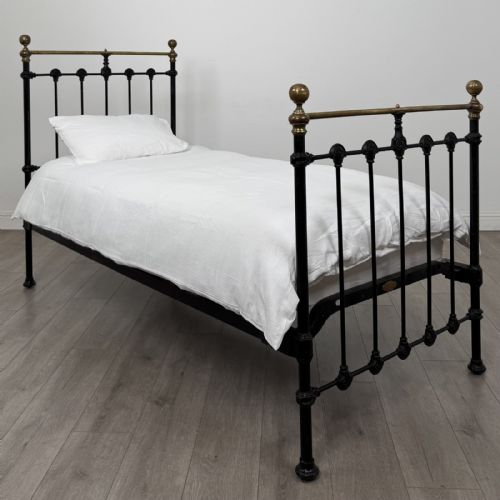
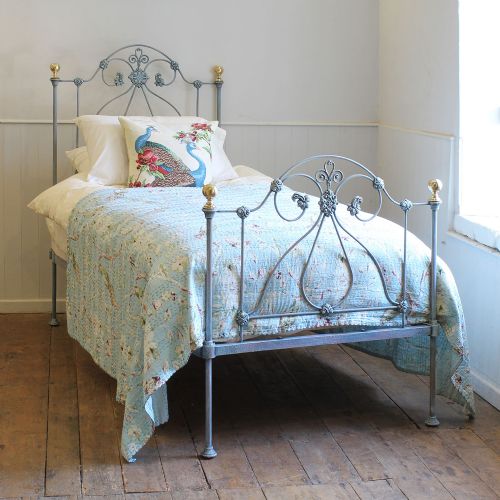
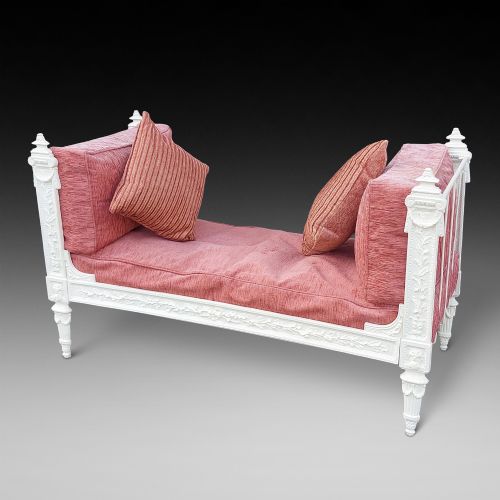
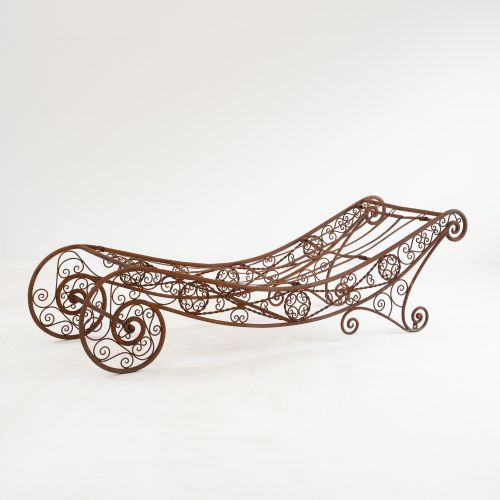
When you search for a vintage metal daybed, you encounter a robust selection of nineteenth and early twentieth century single beds, garden daybeds, and lounger forms. These pieces bridge the gap between seating and sleeping, originating from Victorian Britain and French workshops.
The most common versions on this page are single size iron and brass bedsteads alongside garden benches and sun loungers. They span periods from the eighteen-fifties through to the nineteen-twenties, incorporating styles like French Belle Epoque and Victorian design.
Makers such as R W Winfield appear alongside unsigned examples, offering robust frames that function equally well inside the home or out in the garden. Each piece brings distinctive metalwork, from hoop details to painted iron finishes.
Construction and materials
Makers utilised cast iron, wrought iron, and brass to build these durable frames, often combining iron structures with polished brass accents. Painted iron finishes and verdigris treatments provided both protection and decorative colour to the metalwork.
Frames frequently incorporated slatted bases or platform styles to support mattresses or cushions securely. Structural joints relied on traditional metal-working techniques that ensured longevity across decades of daily use.
Vintage Metal Daybed Retail Price Guide 2026
Typical asking prices for vintage metal daybed among the pieces listed under this phrase on Sellingantiques today, from the lower quarter to the upper quarter. They describe what is for sale here now, not the wider market.
Some French garden loungers survived a century outdoors, wearing their blue verdigris coats like proud badges of honour against the rain.
Evaluating quality and craftsmanship
Quality reveals itself in the intricacy of the metalwork, such as hoop details on brass headboards and the crispness of cast iron mouldings. Superior examples show careful finishing on both structural joints and decorative elements.
The integrity of the original materials, from substantial brass tubing to heavy-gauge iron, distinguishes finer pieces from standard utilitarian frames. Well-preserved painted surfaces and integrated slatted bases further indicate superior original manufacture.
R W Winfield
The Vintage Metal Daybed Glossary
- Daybed
- A piece of furniture serving as both a sofa during the day and a bed for sleeping at night. These items often feature low backs and open ends suited to placement against a wall.
- Bedstead
- The framework of a bed, comprising the headboard, footboard, and side rails. In these listings, they are typically sized for single sleepers.
- Verdigris
- A green patina formed naturally on copper, brass, or bronze surfaces through atmospheric oxidation. This finish adds significant visual character to older metal frames.
- Wrought iron
- Iron that has been heated and shaped with tools by a blacksmith, yielding a fibrous structure visible in the finished scrollwork and supports.
- Belle Epoque
- A period of French history dating from the late nineteenth century into the years leading up to the First World War. Design from this era often emphasises ornate elegance and decorative flair.
Vintage Metal Daybed: Frequently Asked Questions
Where did vintage metal daybeds originate?
These pieces originate primarily from nineteenth-century British workshops and French provincial centres. Makers produced them for both indoor domestic chambers and outdoor garden use.
Industrial manufacturing techniques of the Victorian era allowed for the mass production of durable iron and brass furniture. French examples often incorporated lighter wrought iron suited for garden loungers and verandas.
Can these daybeds be used outdoors?
Certain variations on this page, specifically garden daybeds and sun loungers, were built explicitly for outdoor environments. Wrought iron and painted iron variants withstand exterior placement well.
Indoor brass and iron bedsteads require protection from moisture to preserve their polished surfaces. Checking the material composition helps determine whether a piece suits a patio or a bedroom.
How do I date a metal bedstead?
Dating relies on stylistic clues such as brass hoop details, cast iron decoration, and overall construction methods. Victorian pieces often display heavier cast components, while Edwardian designs lean towards simpler brass tubing.
Makers' stamps and specific paint finishes also provide chronological markers. Comparing the form against documented nineteenth-century catalogues narrows down the period of origin.
What mattress size fits these beds?
Most pieces listed are single size or super single frames, measuring around three feet in width. Slatted bases and platform styles accommodate standard modern single mattresses.
Because nineteenth-century sizing conventions differ from contemporary standards, measuring the interior frame dimensions is essential before purchasing a mattress. Custom options may be required for older non-standard widths.