



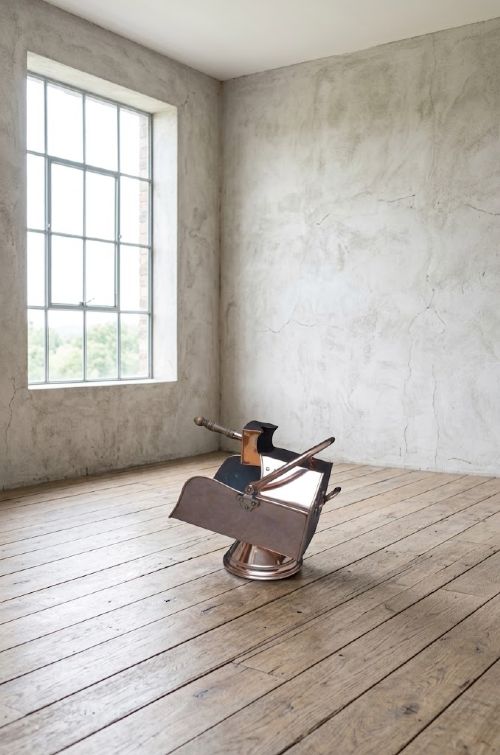
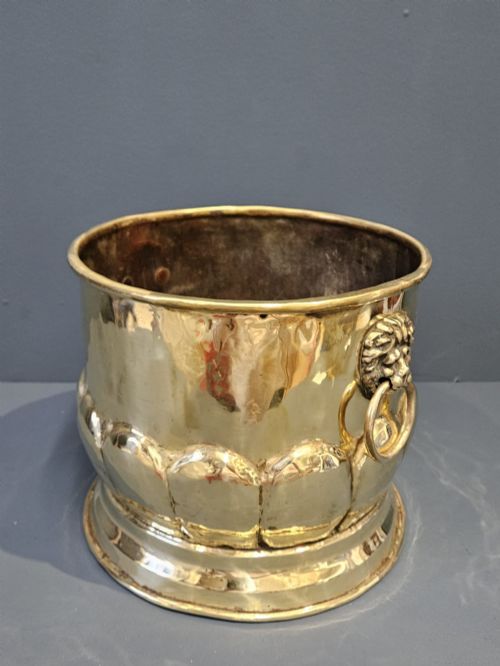

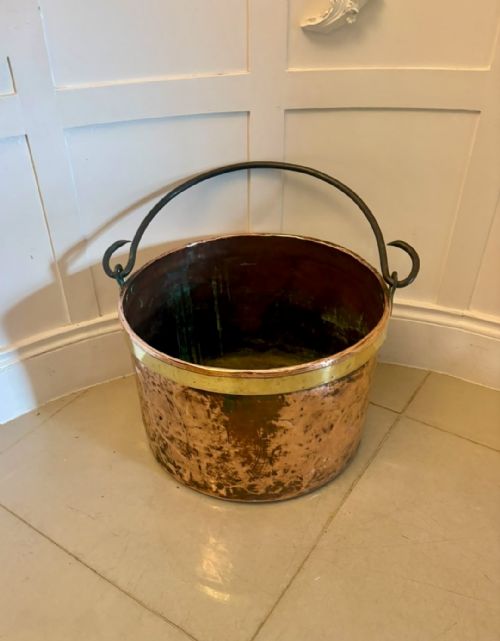
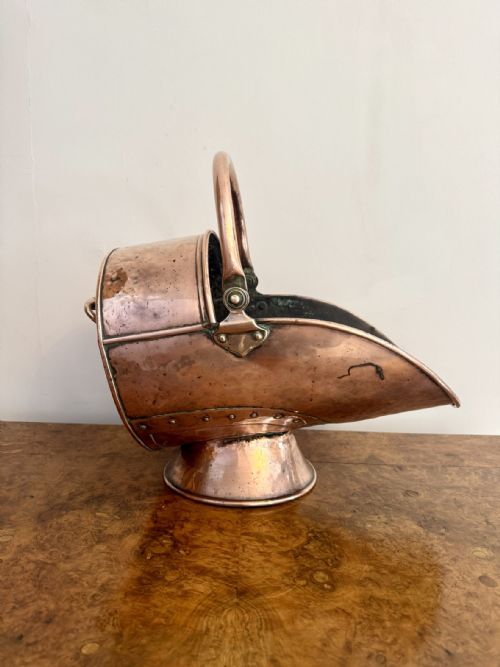



Vintage Metal Coal Bucket
These heavy brass and copper vessels bring practical warmth to the hearth, serving as a vintage metal coal bucket that holds fuel with quiet purpose.
Vintage Metal Coal Bucket
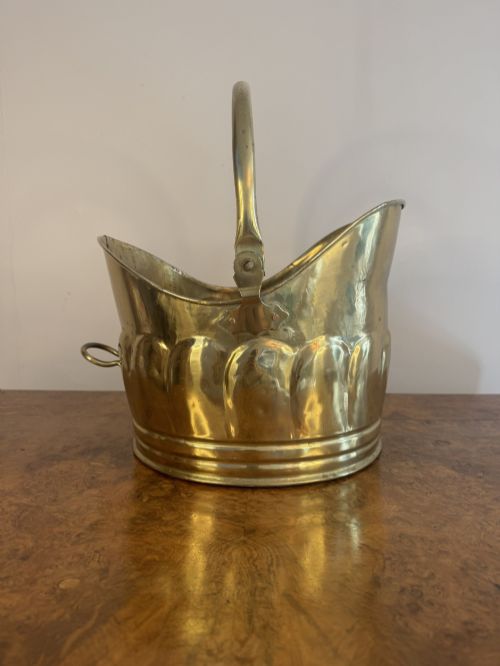
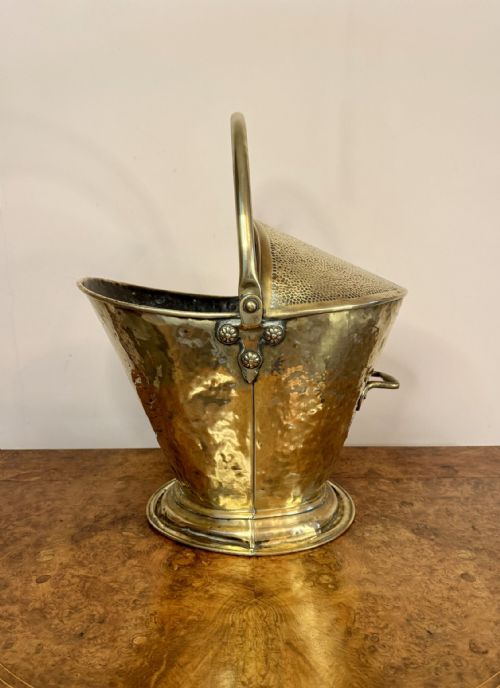
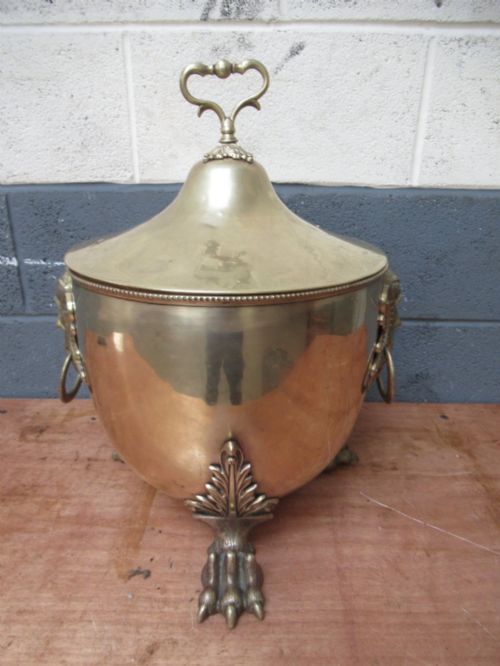
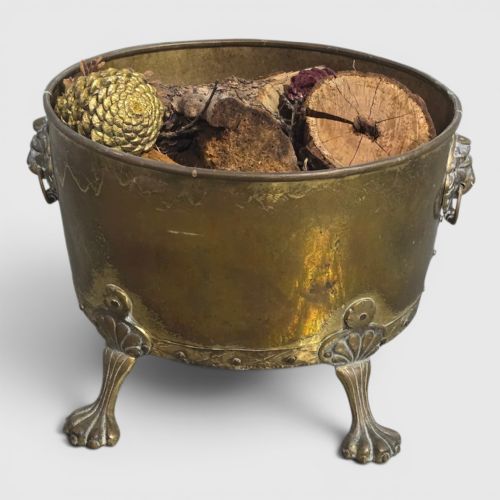
A vintage metal coal bucket serves fireside needs through forms such as helmets, cauldrons, bins, and classic buckets. Buyers encounter designs spanning George III, Victorian, Edwardian, and Art Nouveau periods, often dual-purposed as planters or log bins.
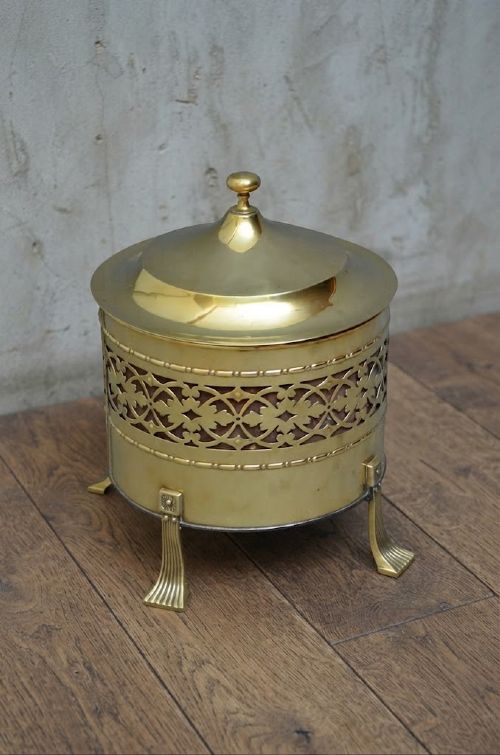
The most common examples on this page date from the nineteenth and early twentieth centuries, constructed in combinations of brass, copper, and wrought iron. These utilitarian hearth accessories range from plain riveted utility pieces to decorative vessels bearing fretwork or embossed scenes.
Materials and construction methods
Smiths hammered and riveted sheet copper and iron into strong, curved bodies capable of enduring heavy daily use. Rivets secure handles and seams directly to the metal body, ensuring structural integrity for carrying heavy loads of coal.
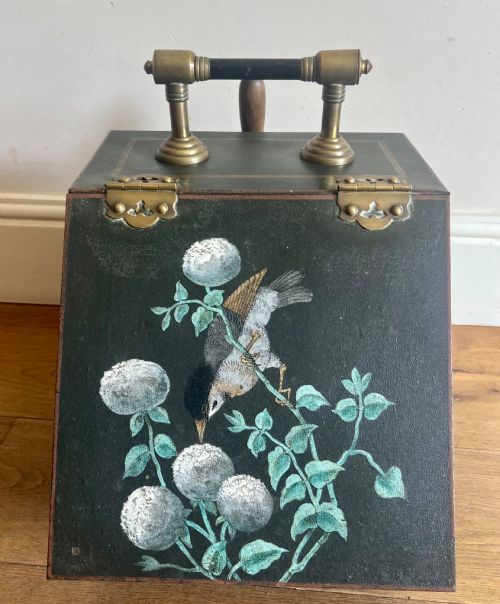
Makers integrated cast brass for handles, feet, and decorative mountings, contrasting the bright metallic finish against darkened iron frames. Tole ware and silver plate also appear in select pieces, adding painted or polished surface textures.
Vintage Metal Coal Bucket Retail Price Guide 2026
Typical asking prices for vintage metal coal bucket among the pieces listed under this phrase on Sellingantiques today, from the lower quarter to the upper quarter. They describe what is for sale here now, not the wider market.
Listings span periods from George III through the Art Deco era, predominantly utilising copper, brass, and wrought iron.
Distinguishing grades of craftsmanship
Superior vessels display substantial gauge metal that resists denting under the weight of fuel, alongside sturdy iron or brass handles firmly anchored with original rivets. Heavier pieces maintain better structural balance when filled.
Refined examples show careful hand-hammering, crisp detailing on Arts and Crafts or Art Nouveau motifs, and harmonious pairings of brass and copper. Lesser items rely on thin sheet metal with weaker joins and minimal surface definition.
The Vintage Metal Coal Bucket Glossary
- Helmet scuttle
- A coal bucket featuring a flared rim resembling a helmet, designed to pour fuel cleanly into the grate. This shape was particularly popular during the Victorian and Edwardian eras.
- Riveted copper
- Metal sheets joined together by short metal pins hammered flat on either side. This technique provides immense structural strength and creates a distinct industrial aesthetic.
- Tole ware
- Lacquered or painted sheet metal items manufactured to imitate fine Asian lacquerware. These pieces bring colourful painted surfaces to hearth storage.
- Log bin
- A deep container intended for holding firewood rather than loose coal. They frequently incorporate sturdy iron frames and swing handles for heavy lifting.
- Jardardiniere
- An ornamental pot or receptacle for holding plants or flowers. Many metal coal buckets share this exact form and serve multiple household functions.
Vintage Metal Coal Bucket: Frequently Asked Questions
How do I clean a brass and copper bucket?
Wipe the surface with a soft, dry cloth to remove dust and soot accumulation.
Avoid abrasive metal polishes that strip away historical patina and wear down hand-hammered details.
Can I use these buckets for real logs?
Many sturdy metal and iron-framed buckets handle logs quite well without sustaining structural damage.
Ensure the interior is dry before storing wood to prevent moisture marks on the metal.
How do I identify a Victorian piece?
Victorian examples frequently combine riveted copper bodies with cast brass swing handles and feet.
Look for heavier gauge metals and traditional joinery methods characteristic of nineteenth-century metalwork.