






Vintage Metal Cane Stand
A vintage metal cane stand holds walking gear and umbrellas in a hallway, bringing practical utility and period character to an entryway.
Vintage Metal Cane Stand
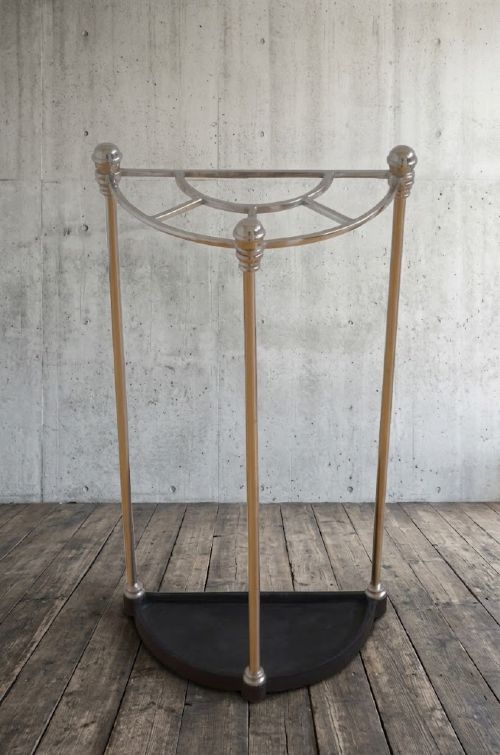
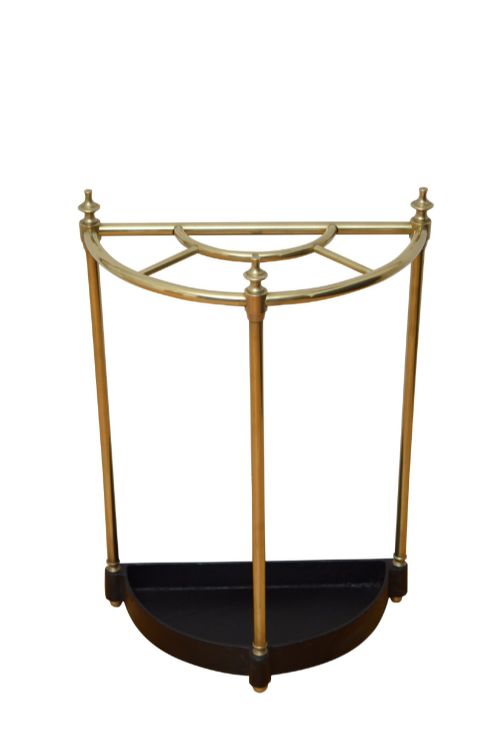
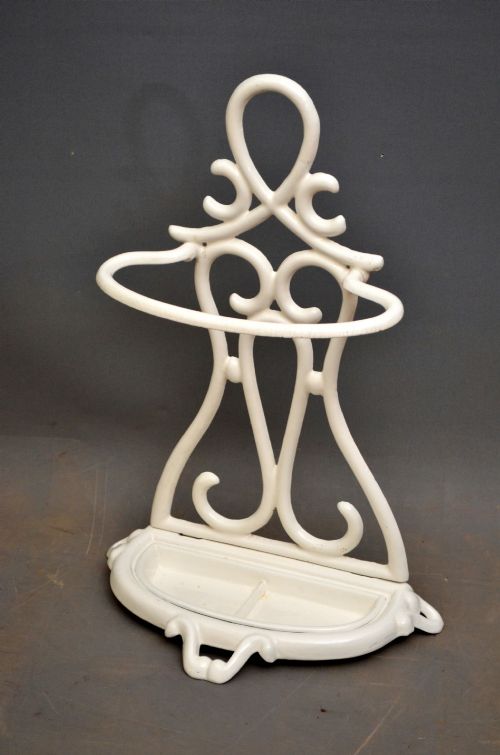
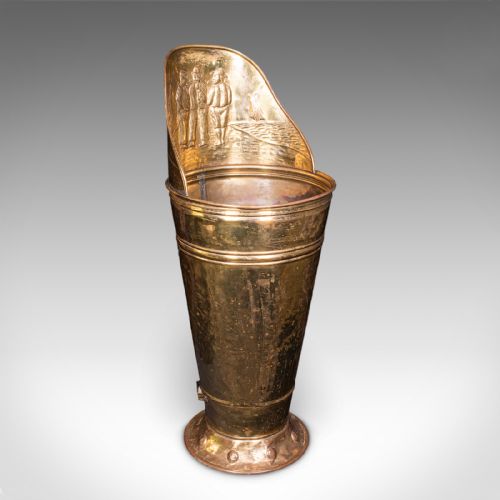
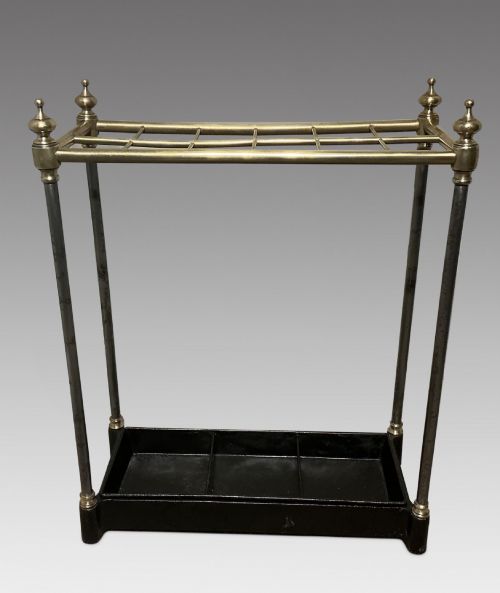
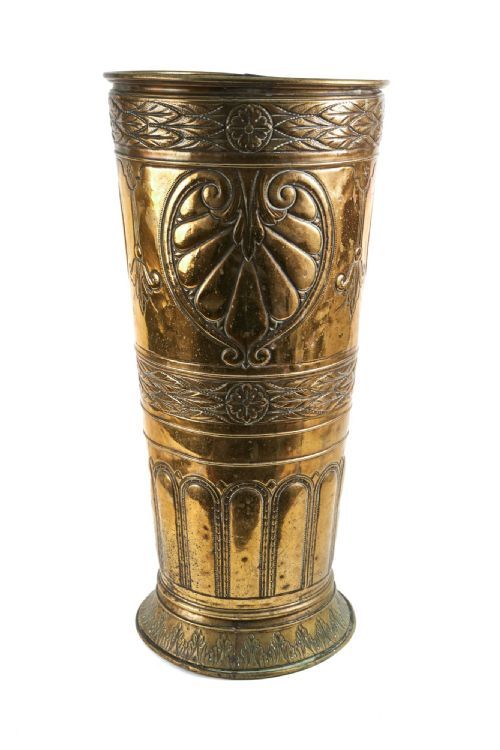
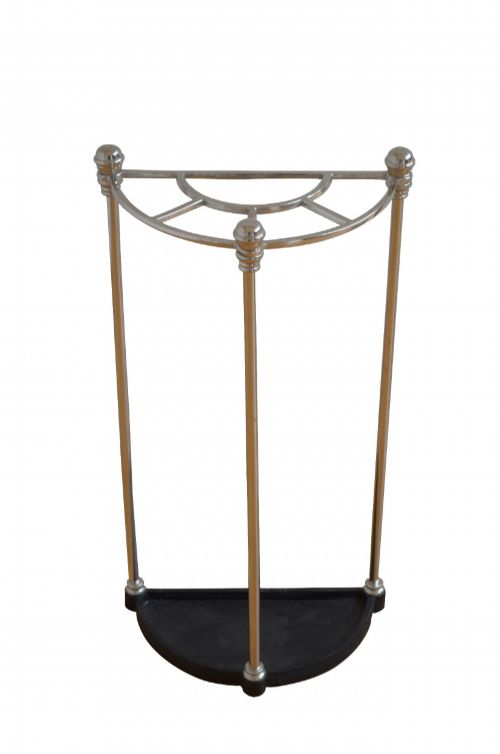
When you search for a vintage metal cane stand, you encounter hall furniture designed to organise walking sticks and umbrellas in domestic spaces. These pieces span the nineteenth century through the early decades of the twentieth century, appearing in forms such as demi-lune designs and cylindrical holders.
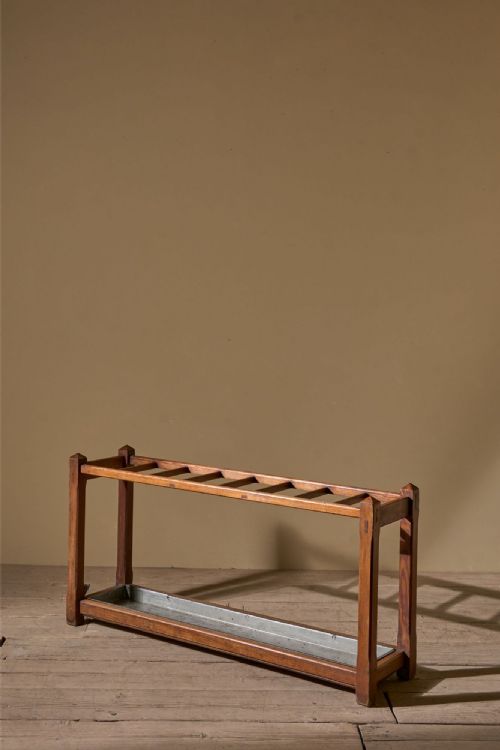
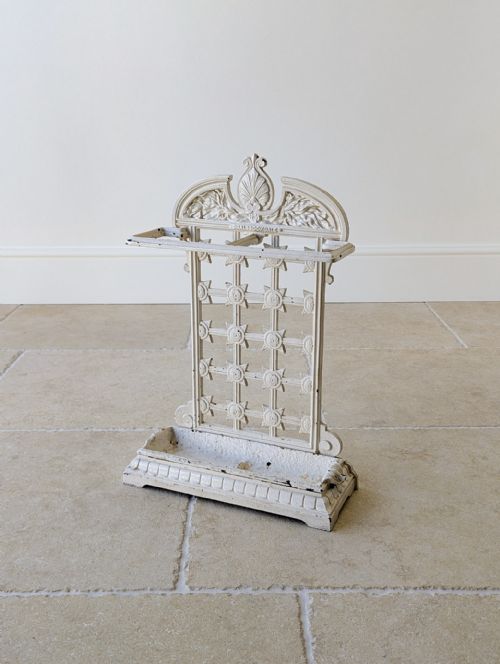
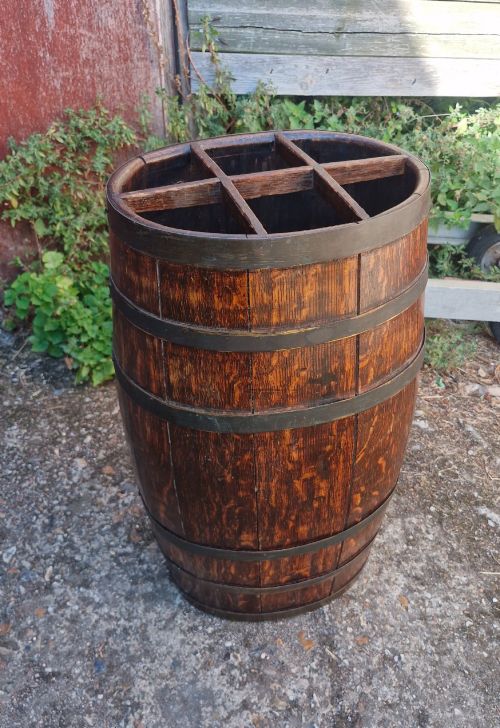
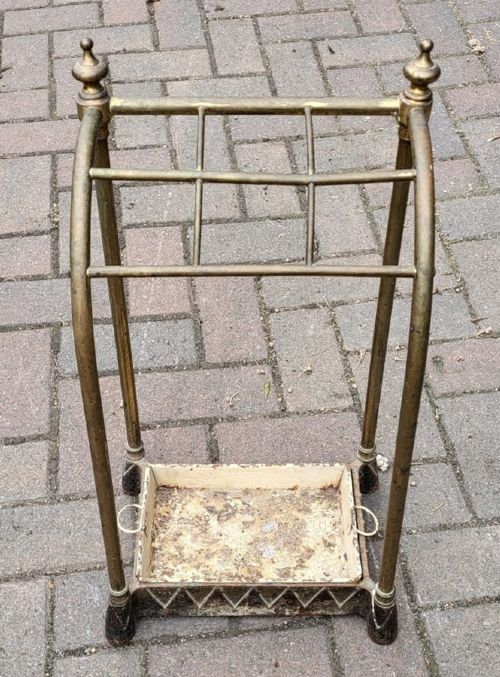
The examples on this page are most frequently cast iron or brass frames, often incorporating original metal drip trays to catch rainwater from wet umbrellas. Many pieces combine metal frameworks with wood elements like oak or pine, reflecting the decorative styles of their respective periods.
How they were made
Maker construction relies heavily on durable metals including cast iron, brass, copper, and zinc, frequently shaped through casting or metal bounding. Iron components provide structural weight and stability, while brass and copper surfaces offer decorative sheen and resistance to hallway moisture.
Many stands integrate secondary materials such as oak, pine, and walnut frames, securing metal loops and dividers to partition individual walking sticks. Surface finishes range from nickel plating and white enamel to painted treatments, protecting the core metal from daily wear.
Vintage Metal Cane Stand Retail Price Guide 2026
Typical asking prices for vintage metal cane stand among the pieces listed under this phrase on Sellingantiques today, from the lower quarter to the upper quarter. They describe what is for sale here now, not the wider market.
Some gentleman's hall stands include built-in loops specifically sized to keep walking canes from clattering together.
What varies in quality
Quality in these stands depends upon the weight and crispness of the metal casting, with heavier cast iron and substantial brass displaying sharper decorative detail. Finer pieces maintain their original internal drip trays and secure structural joints without loose framework.
Design complexity also separates standard utility stands from more elaborate examples featuring Art Nouveau curves, Arts and Crafts hand-working, or Coalbrookdale foundry production. The retention of original surface finishes and complete dividing loops marks the higher tier of surviving hall stands.
Coalbrookdale
The Vintage Metal Cane Stand Glossary
- Demi-Lune
- A half-moon shape popular for hallway stands designed to sit flush against a wall. This profile maximises floor space in narrow corridors.
- Drip Tray
- A removable metal basin positioned at the base of the stand to catch water from umbrellas. It protects flooring from moisture damage.
- Coalbrookdale
- A famous ironworks foundry in Shropshire known for intricate cast iron decorative pieces. Their work represents high standards in nineteenth-century metal manufacturing.
- Arts and Crafts
- A design movement prioritising visible craftsmanship and honest use of materials such as copper and iron. Pieces from this tradition display distinct hand-finished qualities.
- Stick Loop
- An individual metal ring or divider that keeps walking canes separated and upright. These loops form the upper framework of the stand.
Vintage Metal Cane Stand: Frequently Asked Questions
Where were these stands placed?
These pieces traditionally stood in entrance halls and vestibules of homes to receive wet outerwear upon arrival.
Their narrow footprints, especially the demi-lune shapes, allowed them to fit neatly against hallway walls without blocking passage.
How do I care for brass and iron?
Maintenance involves gentle dusting and occasional cleaning appropriate for the specific metal surface without stripping historical patina.
Keeping the internal drip tray dry prevents rust accumulation at the base of the frame.
Are these stands suitable for modern umbrellas?
Most pieces accommodate standard modern umbrellas alongside traditional walking sticks within their partitioned metal loops.
Larger variations easily hold multiple bulky items simultaneously.
How do I identify a Victorian stand?
Victorian examples frequently utilise heavy cast iron construction, Gothic revival motifs, or ornate brass detailing characteristic of the nineteenth century.
Foundry marks and distinct styles help place them within this broader historical period.