





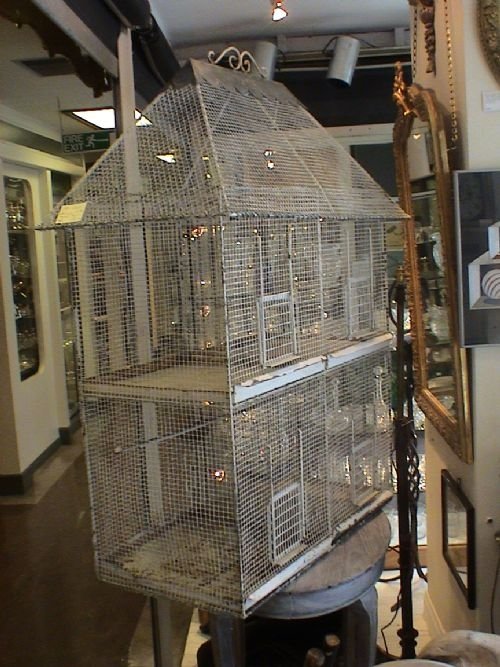


Vintage Metal Bird Cage
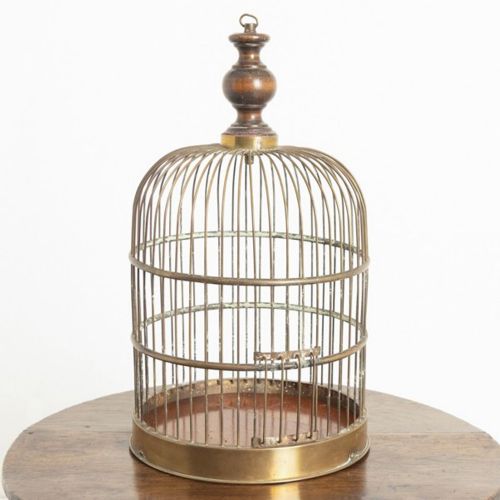
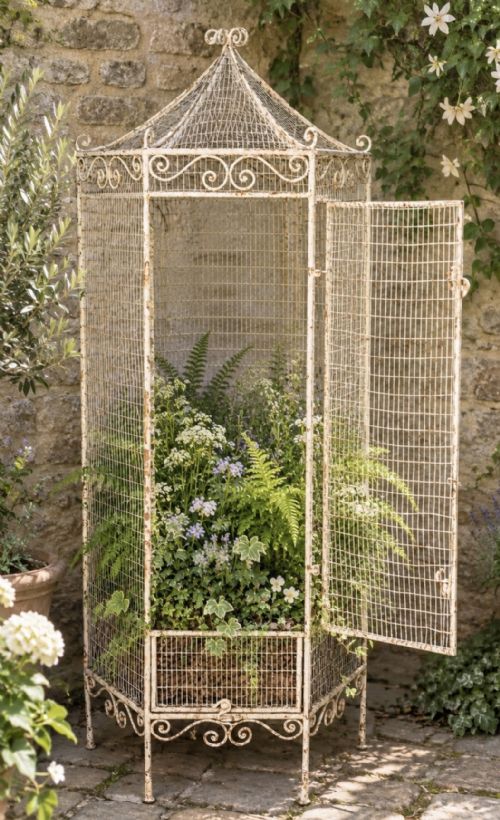
A vintage metal bird cage brings domestic architectural history into a room, offering ornamental structure formed in brass, iron, and wire.
Vintage Metal Bird Cage
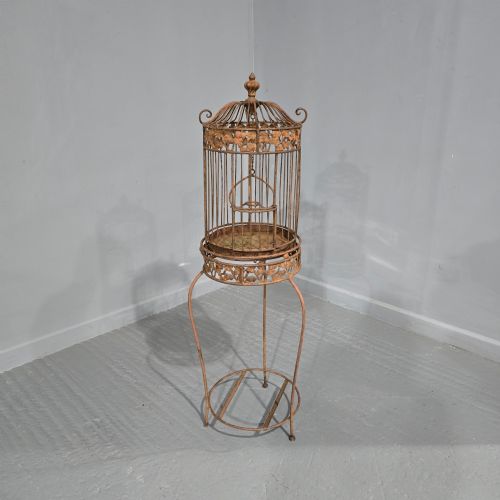
When you search for a vintage metal bird cage, you look at decorative enclosures spanning the nineteenth century through the mid-twentieth century. The selection ranges from Victorian cast iron stands to substantial brass creations and French chateau zinc designs.
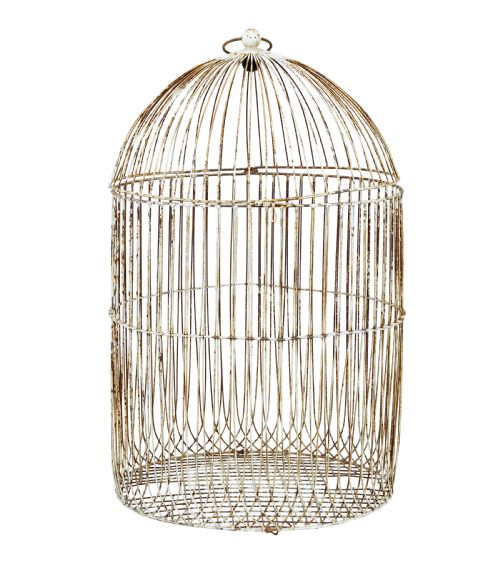
You are most likely to meet round brass variations and wire frame decorative cages on this page. These pieces derive from periods such as the Edwardian era, Art Nouveau, Art Deco, and mid-century German workshops.
Objects appear in various forms, including hanging designs, round parrot cages, and automated singing bird boxes. Their origins stretch from country houses to continental European studios.
Materials and construction
Maker construction relies heavily on brass, wrought iron, and copper combined with wire mesh. Workshops shaped these metals into rigid structural frames and delicate internal bars.
Surface treatments involve aged paint and natural metal patina developed over decades. Wood elements occasionally support iron or brass structures to provide sturdy bases.
Vintage Metal Bird Cage Retail Price Guide 2026
Typical asking prices for vintage metal bird cage among the pieces listed under this phrase on Sellingantiques today, from the lower quarter to the upper quarter. They describe what is for sale here now, not the wider market.
The listings span from the late nineteenth century through to the nineteen-fifties, featuring brass, iron, copper, and wood.
Assessing quality and finish
Quality rests upon the complexity of the wirework and the substantial nature of the primary metal. Heavy gauge brass and cast iron elements distinguish superior decorative objects from lighter utilitarian items.
The sophistication of decorative flourishes, such as Art Nouveau floral motifs or French provincial detailing, elevates a piece. Mechanical complexity also defines the summit of the range, seen in working automata.
The Vintage Metal Bird Cage Glossary
- Automaton
- A mechanical device that imitates human or animal actions. In this context, it refers to clockwork mechanisms that animate synthetic birds within a cage.
- Cast iron
- An iron-carbon alloy poured into moulds to create intricate forms. Victorian makers utilised this heavy material for sturdy stands.
- Patina
- The surface sheen developed through age and oxidation on metals like brass and copper. Collectors value undisturbed patinas for historical authenticity.
- Wire mesh
- A woven or welded grid of metal strands forming the barrier walls. This material allowed light and air into the enclosure.
Vintage Metal Bird Cage: Frequently Asked Questions
How were these cages originally used?
These enclosures served as functional homes for pet birds in wealthy households. Many examples were designed primarily as decorative objects for drawing rooms rather than active aviculture.
Over time, owners repurposed them as interior ornaments, suspending them from ceilings or placing them upon heavy stands to catch the light.
How do I clean a metal cage?
Dust accumulates gently within the intricate wire framework over decades of display. Soft-bristled brushes remove surface particles without disturbing the aged metal finish.
Avoid abrasive polishes that strip away historical patina. Preservation of the original surface retains the character of the piece.
Can I hang a heavy brass cage?
Substantial brass and iron structures require secure ceiling fixings to bear their weight safely. Weight varies significantly between light wire frames and cast iron stands.
Consult a structural professional if you plan to suspend large nineteenth-century pieces from plaster ceilings.
How do I date a metal birdcage?
Stylistic clues such as Art Nouveau curves or Victorian cast iron ornamentation point towards specific decades. Materials like zinc and copper also align with nineteenth-century manufacturing trends.
Construction methods, including hand-soldering and wire gauge thickness, help establish whether an item originates from the Edwardian period or mid-century Germany.