

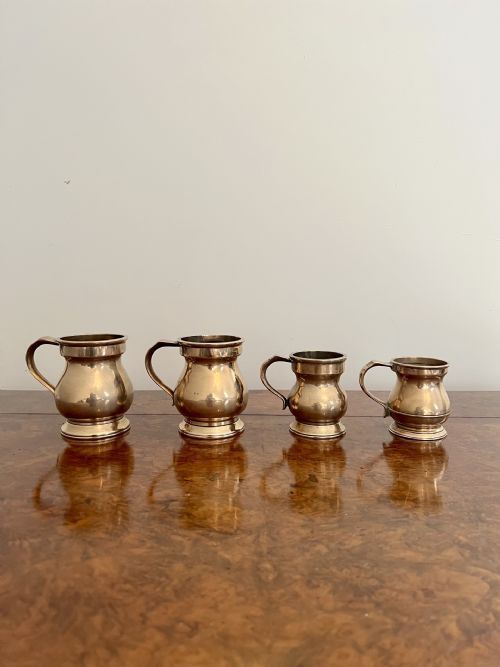


Vintage Metal Bell
When you handle a vintage metal bell, you touch centuries of precise casting and daily utility.
Vintage Metal Bell
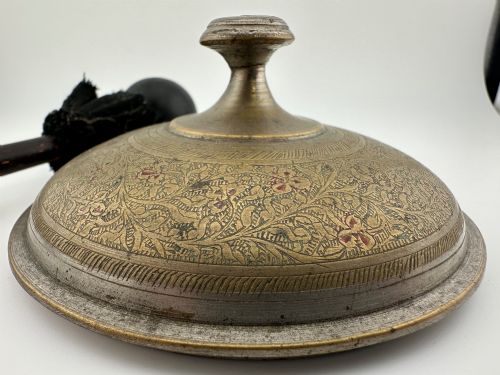
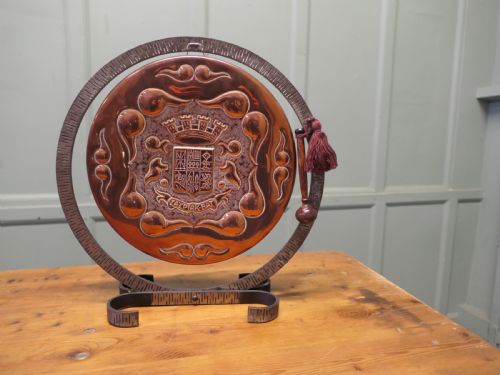
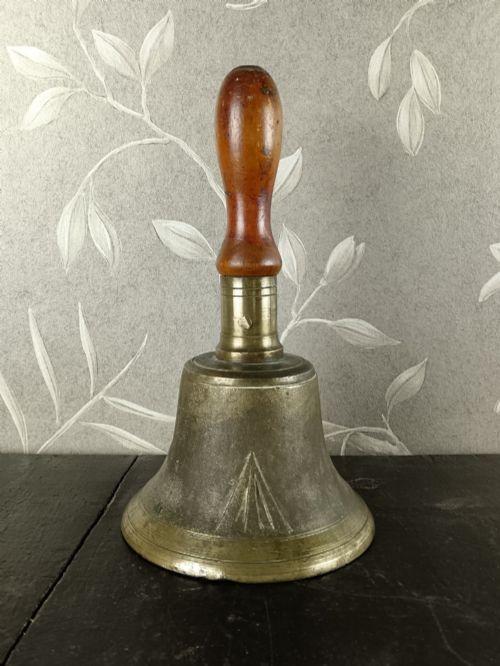
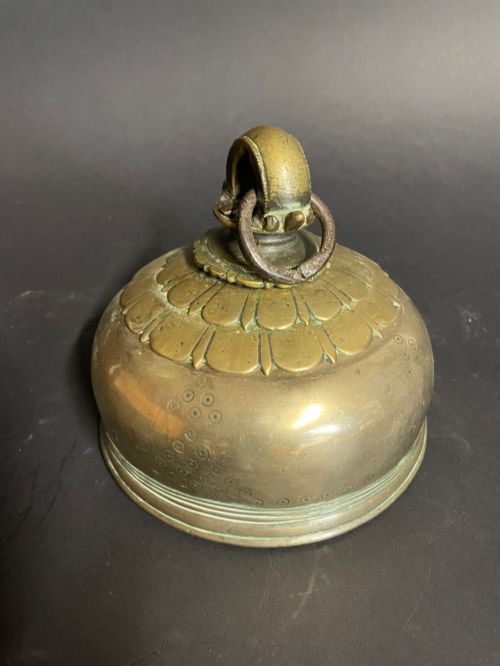
A vintage metal bell encompasses a wide array of functional objects from the Georgian, Victorian, and later periods designed to summon, warn, or chime. Buyers seeking this phrase encounter everything from small counter bells and school handbells to large tower bells, ships bells, and elaborate table gongs mounted on wooden frames. The selections on this page lean heavily toward Victorian brass examples, sturdy cast iron brackets, and hand-hammered table gongs.
The utility of these items spans domestic households, maritime vessels, religious practices, and military posts. You find domestic servants' bells alongside heavy bronze ship bells and oriental temple bells, reflecting how deeply integrated these metal objects were in daily historical life.
Materials and construction methods
Makers utilised durable copper alloys like bell metal, brass, and bronze, alongside cast iron, wrought iron, and copper. These metals provided the rigidity and resonance required to produce a clear, carrying tone when struck or shaken.
Casting techniques dominate the physical evidence, ranging from traditional bell-metal casting for gongs and church or tower bells to hand-hammered copper construction. Many pieces incorporate complementary materials such as hardwood frames, carved oak, and ebonised wood mounts.
Vintage Metal Bell Retail Price Guide 2026
Typical asking prices for vintage metal bell among the pieces listed under this phrase on Sellingantiques today, from the lower quarter to the upper quarter. They describe what is for sale here now, not the wider market.
The material record spans brass, bronze, cast iron, bell metal, copper, and hardwood across Georgian and Victorian periods.
Qualities that distinguish individual pieces
The primary distinction lies in the purity of the metal alloy and the precision of the casting. Heavier bronze and bell-metal items produce a cleaner, longer-lasting resonance than simpler cast iron alternatives.
The integrity of the mounting hardware and accompanying strikers also dictates overall standard. Original brackets, wooden gongs with intact strikers, and fully preserved mechanical linkages elevate the historical completeness of an object.
Mathias Bauerle·Warners of London·Wm Gilbert USA
The Vintage Metal Bell Glossary
- Bell metal
- An alloy of copper and tin traditionally used for casting bells to achieve maximum resonance and durability.
- Table gong
- A smaller percussion bell suspended from a stand, often accompanied by a wooden striker for domestic use.
- Door bell pull
- A mechanical linkage hardware piece mounted on a door frame to ring a remote bell inside a house.
- Tower bell
- A heavy, large-scale bronze bell designed to carry sound across considerable distances from a high vantage point.
- Cloche
- A cast iron bell-shaped cover or garden bell used historically for protecting plants or serving culinary functions.
Vintage Metal Bell: Frequently Asked Questions
What is a bell metal candlestick?
A bell metal candlestick is a domestic lighting accessory cast from the same resonant copper and tin alloy utilised for bells.
These seamed items date to the early eighteenth century and combine functional durability with a warm metallic finish.
How were table gongs used?
Table gongs served primarily in Victorian and Edwardian dining rooms to signal the arrival of meals or to summon household servants.
They sit on wooden or metal stands and are struck with a handheld mallet.
Are ships bells different from house bells?
Ships bells are cast much heavier to withstand maritime environments and to cut through high winds and ocean noise.
They often bear the specific names of steamships or naval vessels rather than domestic room designations.
What defines a Victorian door bell pull?
A Victorian door bell pull is an exterior mechanical wall fixture connected by wires or cranks to an interior bell.
Visitors pulled the brass handle to ring the service bell inside the house.