




Vintage Menu Holder
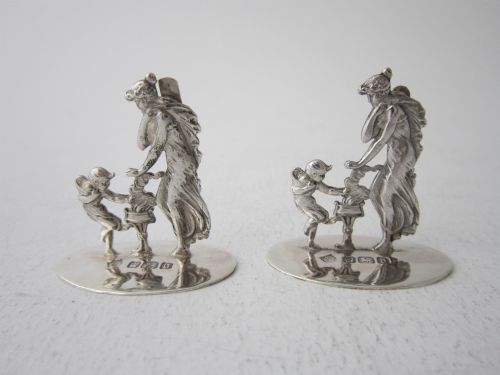
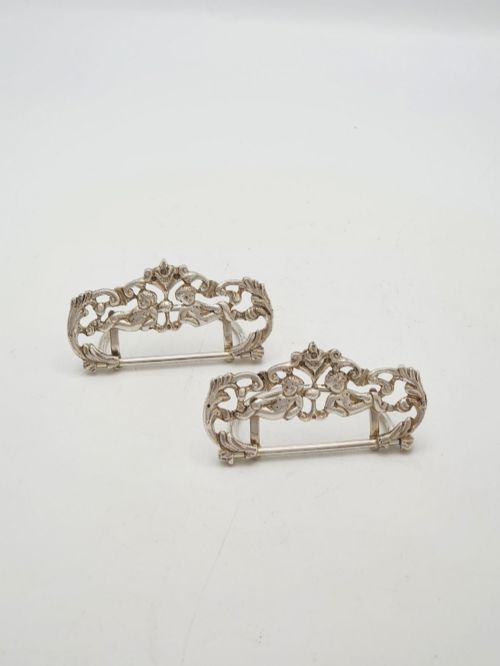
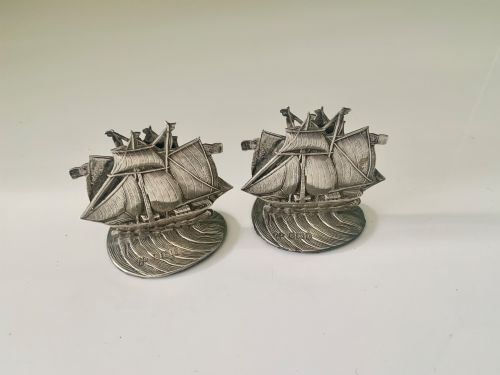
These vintage menu holder pieces sit upon formal dining tables to present cards cleanly, bringing character from the Edwardian, Art Deco, and mid-century periods.
Vintage Menu Holder
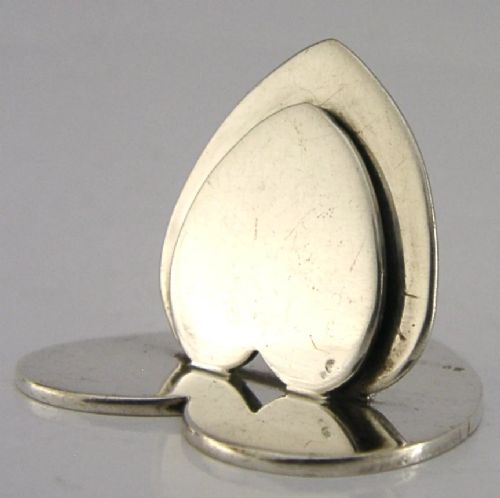
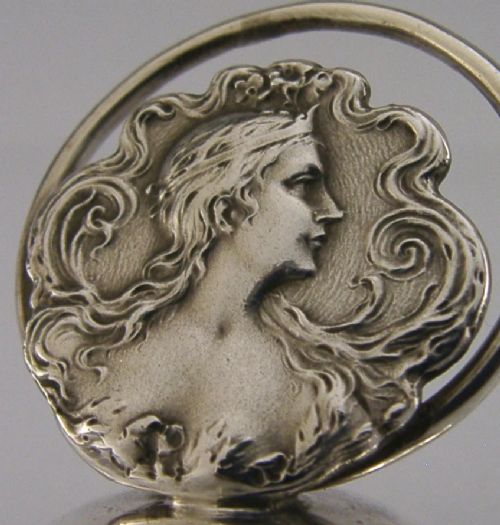
A vintage menu holder serves to display dinner menus or place cards upright during formal meals, keeping details visible for guests. When you search for this phrase, you encounter small ornamental fittings designed to anchor paper cards securely without obscuring text.
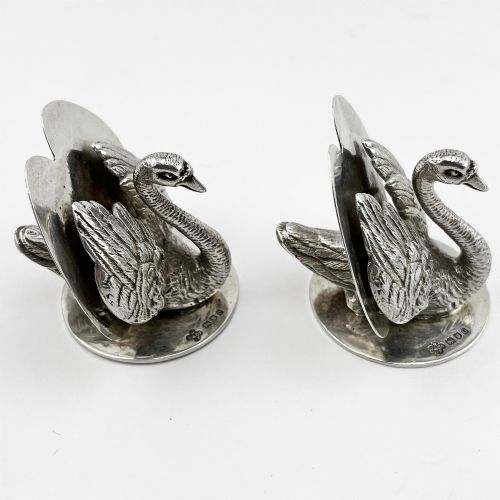
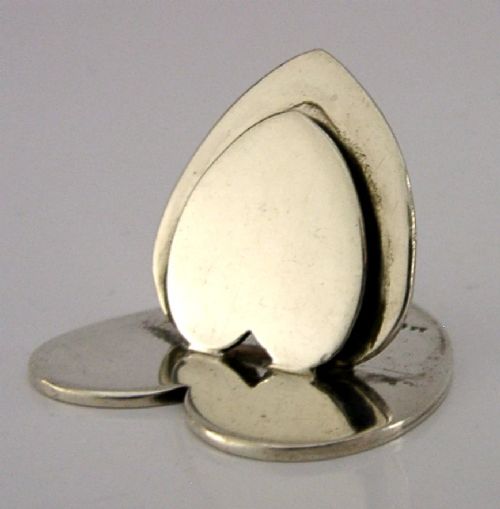
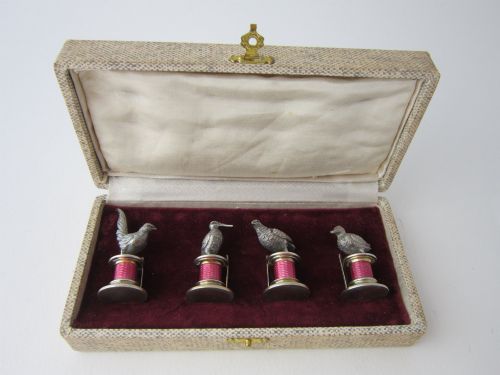
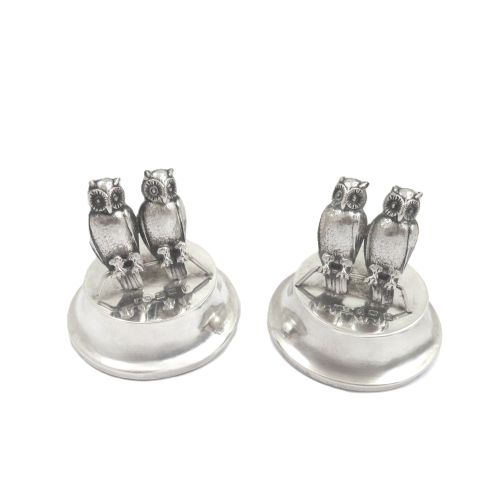
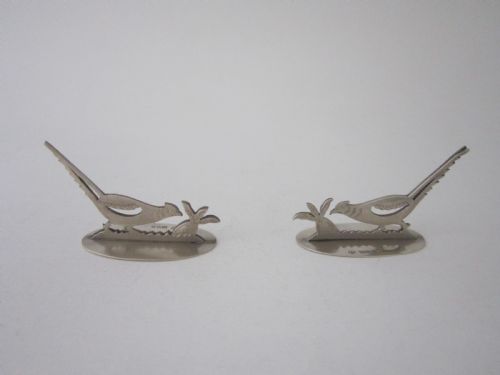
The selections span various eras from the Edwardian period through the 1930s and 1950s, capturing shifts in domestic dining habits. Animal figures, military insignia, and geometric shapes dominate the forms available on this page.
Most examples appear as pairs or larger sets intended to coordinate across a long dining table. Collectors often find matching sets designed for themed dinner parties or specific regiments.
Materials and construction methods
Silversmiths employed sterling silver and silver plate to shape sturdy bases and intricate animal or figural motifs. Many items incorporate hinged slots or weighted feet to maintain balance when holding cards.
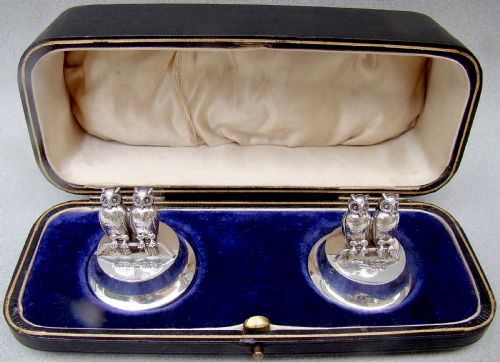
Enamel work frequently adds colour to flags, crests, and decorative surfaces, contrasting against polished metal. Velvet, silk, and leather line fitted presentation cases that protect these small objects when not in use.
Vintage Menu Holder Retail Price Guide 2026
Typical asking prices for vintage menu holder among the pieces listed under this phrase on Sellingantiques today, from the lower quarter to the upper quarter. They describe what is for sale here now, not the wider market.
Dinners in the past apparently required miniature silver owls, pheasants, and frogs to tell guests what they were about to eat.
Distinctions in craftsmanship
The definition and depth of the casting separate simpler utilitarian pieces from finely modelled sculptural examples. Artisans who invested time in feather textures, facial expressions, and anatomical proportions produced more convincing animal and figural forms.
Makers' marks and clear hallmarks indicate the silversmith and assay office, adding certainty regarding date and origin. The survival of original fitted boxes and intact enamel surfaces also influences the standing of individual sets.
Levi & Salaman·A. Wilcox·Sampson Mordan·Asprey·Liberty
The Vintage Menu Holder Glossary
- Sterling silver
- A silver alloy containing 92.5 percent pure silver by mass, providing durability for detailed decorative metalwork. This standard appears frequently across Edwardian and later tableware accessories.
- Silver plate
- A layer of silver applied to a base metal core, such as copper or white metal, offering a bright finish at a different cost. Plated items were common for larger dining services.
- Assay office
- A body that tests the purity of precious metals and stamps items with official hallmarks. Marks from cities like London, Birmingham, and Chester help determine the origin of silver pieces.
- Place card holder
- A small table accessory designed to hold a guest name card rather than a menu. These often match the design of larger menu stands in a dining set.
Vintage Menu Holder: Frequently Asked Questions
What is a vintage menu holder used for?
These pieces hold paper menus upright on dining tables so guests can read the course selections easily.
They also serve as decorative ornaments that coordinate with table settings during formal dinner parties.
How do I date a silver menu holder?
Assay office hallmarks, maker marks, and date letters stamped onto the metal provide the exact year of manufacture.
Stylistic cues such as Edwardian naturalism or Art Deco geometric lines also indicate the period of production.
Are these items sold in matching sets?
Many listings feature pairs, sets of four, or larger collections designed to match across a dining table.
Single pieces also appear, often retained as decorative cabinet objects.
What materials are used in these holders?
Sterling silver and silver plate form the primary structure of most pieces, sometimes combined with enamel for colour.
Original presentation boxes often feature linings of velvet, silk, or leather.