




Vintage Meissen Figurine
These vintage meissen figurine examples bring hard-paste porcelain craftsmanship into a room, offering sculpted human figures and animals from centuries of German ceramic production.
Vintage Meissen Figurine
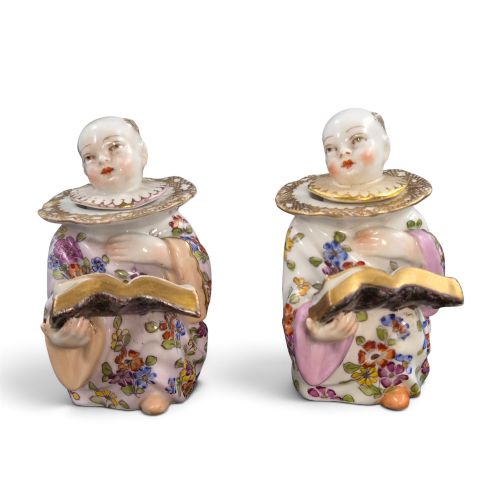
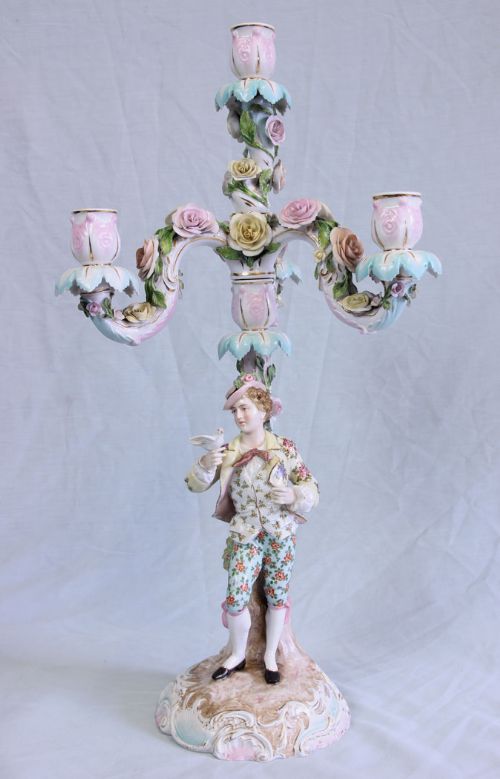
When you search for a vintage meissen figurine, you encounter sculptural ceramics ranging from eighteenth century street traders to twentieth century animal groups. The selections on this page span diverse forms, including pairs of lovers, single ladies, and figurative candelabras.
Many items display historical styles such as Rococo revival and Chinoiserie, alongside naturalist depictions of birds and beasts. Forms stretch from simple decorative objects and inkwells to elaborate multi-figure compositions like The Broken Eggs.
How they were made
Makers utilised hard-paste porcelain as the primary body, shaped through specialised moulding techniques before firing at high temperatures. Enamel pigments and glaze were then applied by hand to achieve the finished surface coloration.
Vintage Meissen Figurine Retail Price Guide 2026
Typical asking prices for vintage meissen figurine among the pieces listed under this phrase on Sellingantiques today, from the lower quarter to the upper quarter. They describe what is for sale here now, not the wider market.
Observed object types range from decorative animal groups and cockatoos to functional inkwells and multi-branch candelabras.
What varies in quality
The degree of refinement in hand painting separates standard production from superior examples, particularly in the delicate rendering of facial expressions and floral motifs. Precision in the moulding process also dictates sharpness, where crisp lines on garments and animal forms indicate superior execution.
Application of gold leaf and gilt work contributes to the overall visual depth, with denser, more skillful gilding elevating the piece. The preservation of original enamel colours without excessive fading maintains the integrity of the object.
Edmé Samson·Meissen
The Vintage Meissen Figurine Glossary
- Hard-Paste Porcelain
- A dense, vitrified ceramic composed of kaolin and petuntse, fired at high temperatures. This material forms the durable foundation for traditional European fine figures.
- Enamel
- Opaque vitreous coatings fused to the ceramic surface during firing to provide colour. Artisans use these mineral pigments for detailed hand painting.
- Gilt
- A thin layer of gold applied to the porcelain surface for decorative accent. This technique highlights specific moulded details such as garment trims or bases.
- Rococo Revival
- A nineteenth century design style referencing the ornate, asymmetrical curves of the earlier eighteenth century movement. Pieces in this aesthetic feature shell motifs and scrolls.
- Marcolini Period
- An era in the late eighteenth century characterised by specific factory marks and neoclassical influences. Items from this time carry distinct historical attribution.
Vintage Meissen Figurine: Frequently Asked Questions
What is a vintage meissen figurine?
A vintage meissen figurine is a porcelain sculptural object produced either by the historic German factory or in the style of its traditional output. These items depict human characters, animals, and allegorical scenes shaped in hard-paste ceramic.
Collectors prize them for their detailed modelling and hand-painted decoration spanning multiple centuries of European ceramic history.
How were these figures used originally?
Historical figures served primarily as decorative table centerpieces and ornaments for wealthy domestic interiors. Some specialised forms, such as figural inkwells, combined sculptural beauty with practical desk utility.
Over time, their function shifted toward cabinet display and dedicated collections of European porcelain.
How do I identify different periods?
Identifying periods relies on examining the modelling style, clothing details, and the complexity of the painted enamel decoration. Eighteenth century items often display Rococo forms, while later nineteenth and twentieth century pieces reflect revivalism or naturalist trends.
Comparing the specific subject matter and sculptural technique helps place an object within its historical production era.
How should I display them at home?
Display these porcelain pieces in stable cabinets away from direct sunlight to protect the hand-painted enamel and gilt surfaces. Ensuring adequate spacing prevents accidental knocks against delicate extremities like fingers or flower petals.
Placement should account for the three-dimensional nature of the objects, allowing clear viewing angles from multiple sides.