


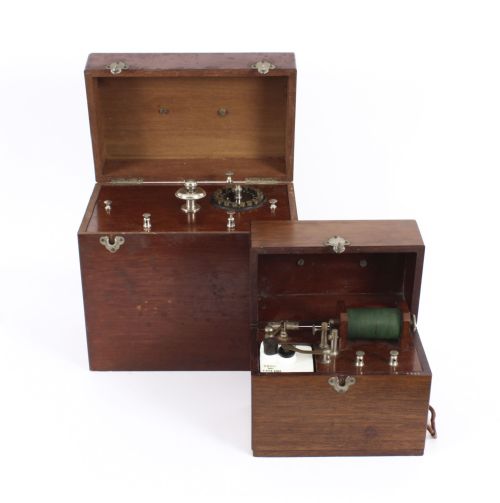


Vintage Medical Display
These vintage medical display pieces bring clinical glass and polished wood into modern rooms for genuine historical utility.
Vintage Medical Display
Vintage medical display items encompass practical containers, storage cabinets, and diagnostic instruments that served practitioners across the nineteenth and twentieth centuries. When searching for vintage medical display, a buyer encounters everything from wall mounted opticians cabinets to etched glass apothecary jars.
The objects stem from periods including the Victorian and Edwardian eras, alongside later pieces from the 1930s and 1940s. Formats range from large chemist jars to complete test glasses lens kits housed in bespoke wooden boxes.
French nineteenth century pieces and early twentieth century scientific curiosities dominate the aesthetic, combining utilitarian function with striking visual presence. Buyers frequently find corner cupboards and wooden display boxes designed to hold delicate instruments securely.
Materials and construction
Metal and steel components appear in scientific instruments, electro therapy devices, and industrial medical cabinets. Brass hardware and painted finishes complement the timber and glass elements, reflecting the manufacturing standards of nineteenth and twentieth century workshops.
Vintage Medical Display Retail Price Guide 2026
Typical asking prices for vintage medical display among the pieces listed under this phrase on Sellingantiques today, from the lower quarter to the upper quarter. They describe what is for sale here now, not the wider market.
Object types range from apothecary jars and wall cabinets to anatomical elbow joint models and pneumothorax instruments.
Factors of quality
Quality rests on the integrity of the original materials, distinguishing pieces with pristine glass and sound timber from those showing heavy degradation. Original components, such as intact lens kits or undamaged jar covers, elevate the standing of a piece.
The precision of manufacture in scientific instruments and cabinetry dictates the overall desirability of the item. Finer items exhibit careful joinery in mahogany or oak cabinets alongside crisp etching on glass apothecary vessels.
The Vintage Medical Display Glossary
- Apothecary Jar
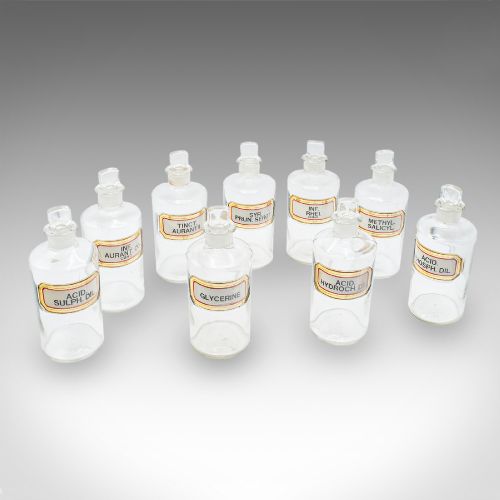
- A vessel utilised by pharmacists to store medicines and dry ingredients. These containers frequently feature glass covers and etched labels.
- Opticians Cabinet
- A specialised wall mounted storage unit designed to hold lenses, frames, and diagnostic tools. They are typically constructed from oak or mahogany.
- Electro Therapy Device
- A nineteenth or early twentieth century apparatus employed for medical treatments utilising electrical currents. Such devices are housed in polished wood boxes.
- Anatomical Model
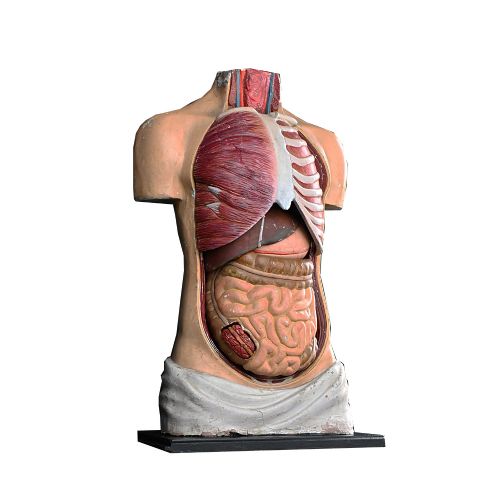
- A three dimensional representation of human bodily structures utilised for educational purposes. Materials often include plastics or painted compositions.
- Pneumothorax Instrument
- A specialised clinical apparatus designed for therapeutic lung procedures. These items showcase intricate metal and steel engineering.
Vintage Medical Display: Frequently Asked Questions
What is a vintage medical cabinet?
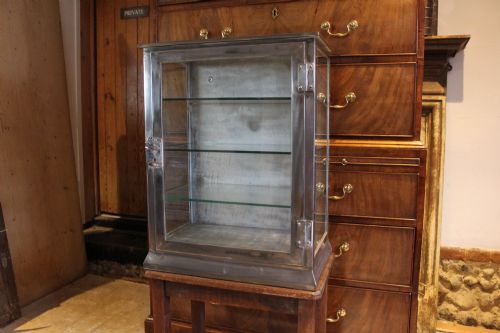
A vintage medical cabinet is a storage unit built to house clinical supplies, instruments, or pharmaceuticals in a surgery or dispensary. These pieces utilise materials like painted metal or polished wood to maintain a clean environment.
Today, buyers repurpose these cabinets in domestic interiors to display collections or store bathroom essentials. Their glazed doors and sturdy shelving offer both visibility and protection for delicate objects.
How do I date an apothecary jar?
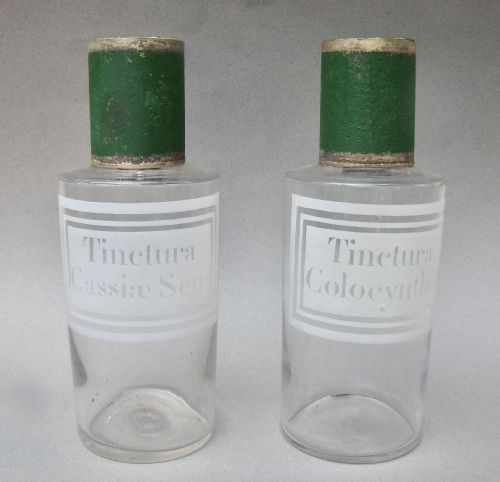
Dating an apothecary jar involves examining the manufacturing techniques used on the glass, the style of the lettering, and the shape of the cover. Nineteenth century examples often display hand-etched decoration and heavy, tactile glass.
Comparing the vessel form to documented pieces from the Victorian or Edwardian periods helps narrow down the decade of production. Maker marks or labels, where present, provide further chronological context.
Are anatomical models made of glass?
Anatomical models are generally not made of glass, instead utilising materials like plaster, painted wood, paper, or moulded plastics. Educational torsos and joint models required durable substances that could withstand handling by students and medical professionals.
Mid-century scientific models often incorporate specialised plastics developed for educational publishers. These materials allowed for realistic colouring and detachable anatomical sections.