


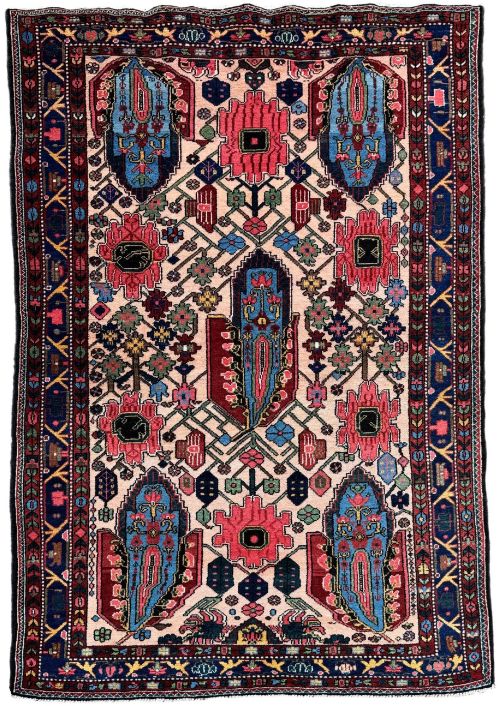
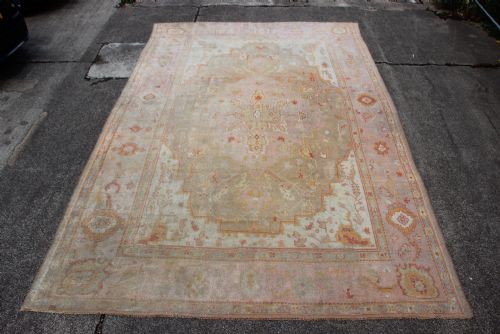
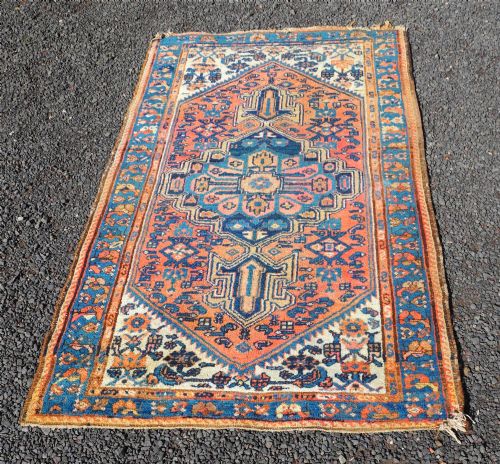
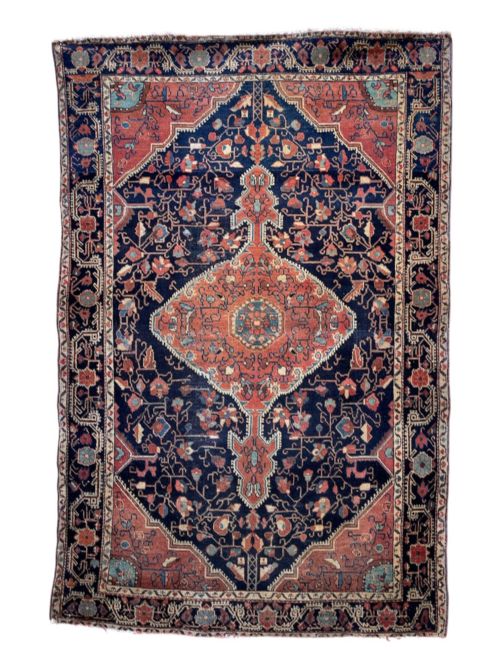
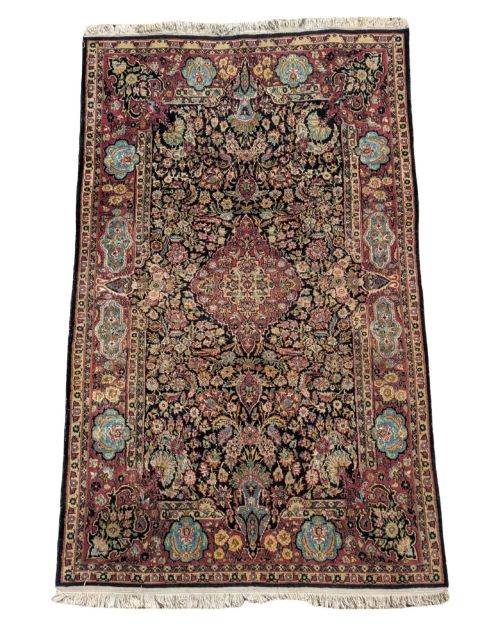
Vintage Medallion Wool Rug
A vintage medallion wool rug anchors a room with centuries of tribal artistry and resilient structure.
Vintage Medallion Wool Rug
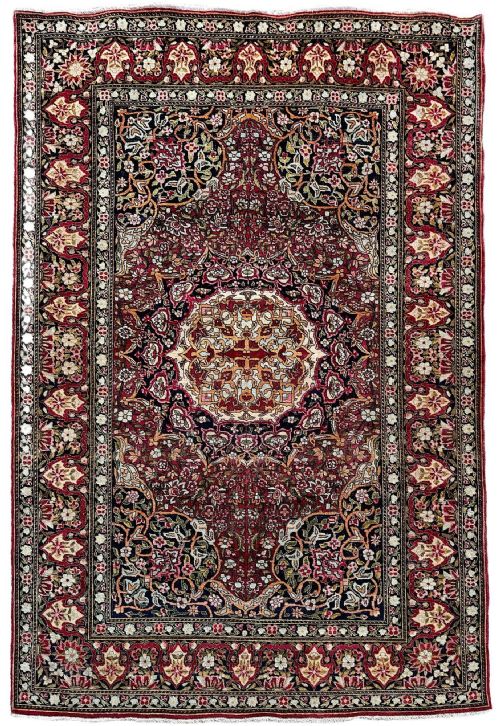
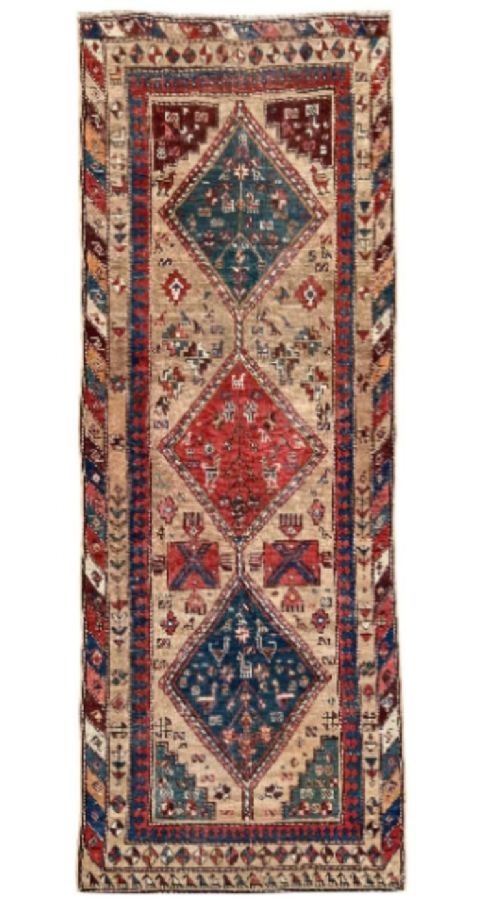
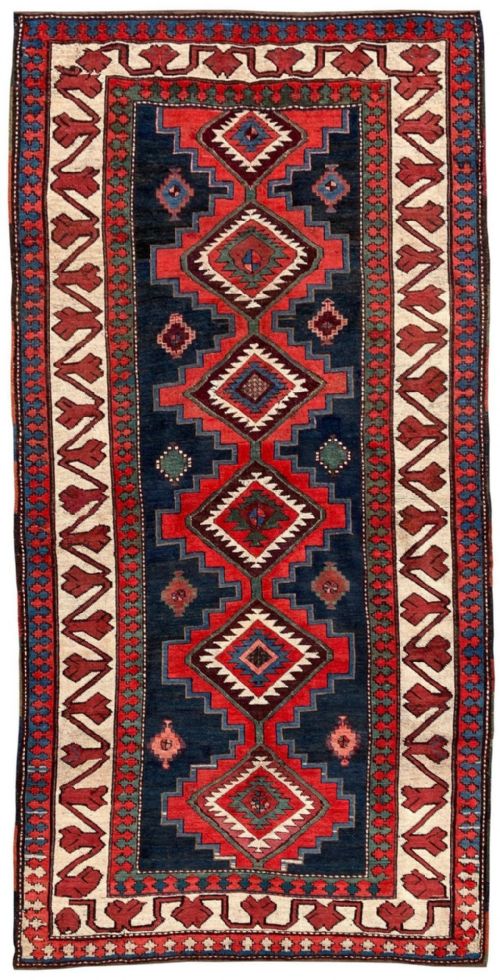
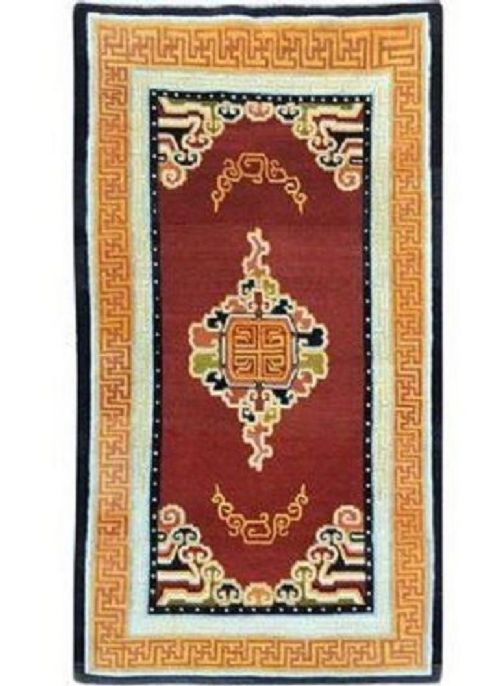
When you search for a vintage medallion wool rug, you encounter hand-knotted floor coverings hailing predominantly from Persian, Caucasian, and Anatolian weaving traditions. These pieces date from the nineteenth century through the mid twentieth century, encompassing formats such as large carpets, area rugs, and narrow runners.
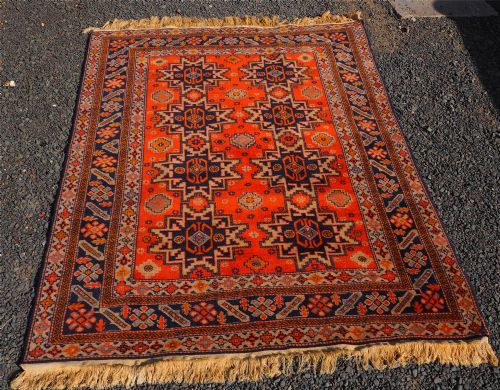
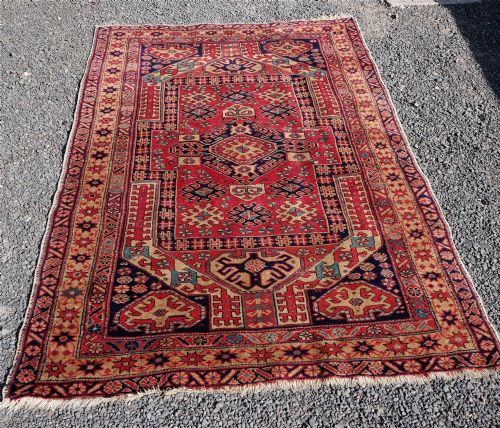
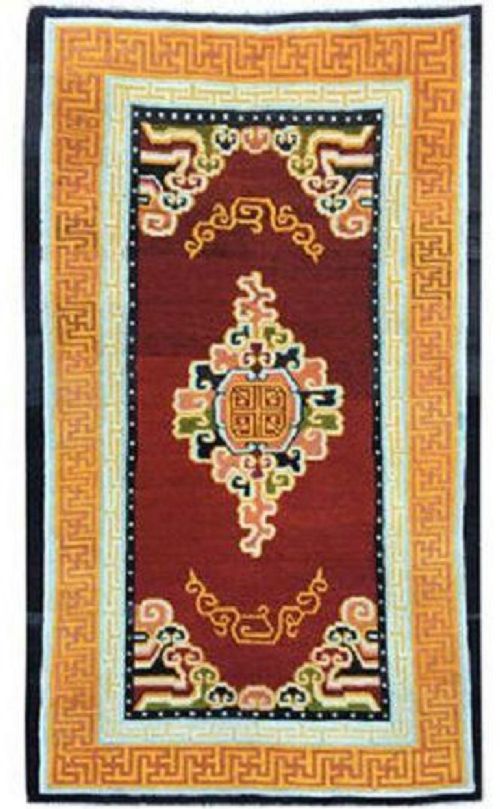
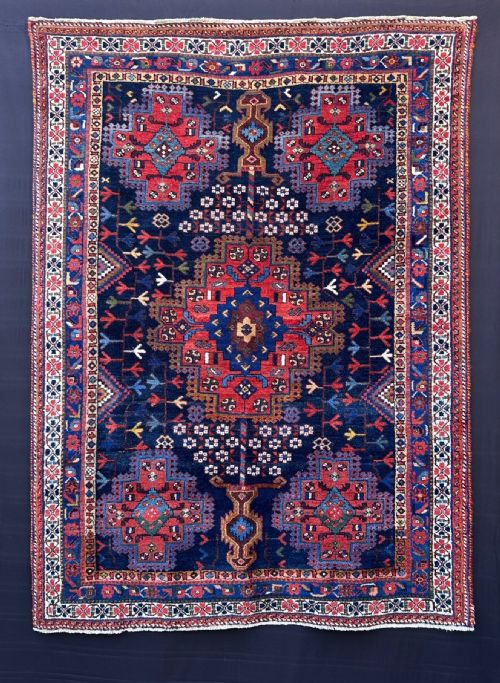
The defining characteristic of these textiles is the central motif, which typically takes a geometric or floral form surrounded by patterned borders. Village workshops and tribal weavers across regions like Heriz, Kazak, Hamadan, and Oushak produced these durable furnishings for domestic utility and ceremonial use.
On this page, you meet examples utilising traditional layouts passed down through generations of weavers. The inventory ranges from hearth-sized mats to expansive room-sized carpets carrying the aesthetic signatures of specific regional cultures.
How They Were Made
Weavers constructed these carpets predominantly from natural wool spun by hand, occasionally incorporating cotton foundations and select silk highlights for textural contrast. Camel wool also appears in specific Anatolian pieces, lending a distinct softness and natural tone to the field.
Artisans knotted the wool yarns manually onto warp and weft threads, securing the structure with tightly packed rows that ensured longevity. Vegetable and natural dyes provided the rich palette of rust, navy blue, and mellow colours seen across the regional types.
Some carpets display intentionally quirky geometric asymmetries where the weaver altered a border motif halfway up just to keep things interesting.
What Varies in Quality
The caliber of a rug rests upon the density of its knotting and the precision with which the central medallion and border geometry are executed. Finer examples display meticulous control over complex curves and intricate motifs.
Material selection also dictates distinction, as superior pieces utilise lustrous wool with resilient pile depth and rich, stable natural dyes that age gracefully. The integrity of the foundational structure and the retention of original edge bindings further separate standard village output from exceptional masterworks.
The Vintage Medallion Wool Rug Glossary
- Medallion
- A symmetrical central design element placed in the middle of the rug field. This focal motif often mirrors the spandrels in the corners.
- Pile
- The upright yarn loops or cut ends that form the soft surface of the rug. Thicker pile provides greater underfoot comfort.
- Warp
- The vertical threads stretched tightly on the loom before knotting begins. The exposed ends of these threads frequently form the fringe.
- Weft
- The horizontal threads passed alternately over and under the warp threads to lock the knots in place. This structure gives the textile its lateral stability.
- Runner
- A long, narrow carpet format designed specifically for corridors, hallways, and staircases. These pieces balance linear space with intricate border patterns.
Vintage Medallion Wool Rug: Frequently Asked Questions
How do I clean a wool rug?
Professional gentle washing is recommended to preserve the natural lanolin in antique wool fibres. Avoid harsh chemical treatments and excessive water immersion.
Regular light vacuuming without a rotating brush helps remove embedded dust without pulling at the hand-knotted pile.
Are these rugs suitable for high traffic?
Traditional wool carpets possess natural resilience and elasticity, making them well-suited for hallways and living spaces. The dense knotting handles daily movement while maintaining structural integrity.
Using a quality underlay prevents slipping and cushions the foundation against premature wear on hard floors.
How do I identify regional rug styles?
Regional attribution relies on observing specific colour palettes, motif geometry, and weaving structures unique to areas like Kazak or Heriz. Distinct border arrangements often point directly to the specific village or tribe of origin.
Examining the back of the textile reveals knot density and warp characteristics that clarify the geographic source.
Do antique rugs fade over time?
Natural dyes mellow gracefully through decades of exposure to light and air, developing a harmonious patina valued by collectors. This gradual softening differs from harsh chemical fading.
Rotating the rug periodically ensures even exposure to ambient light across the field and borders.