



Vintage Measuring Vessels
These vintage measuring vessels span centuries of practical trade, bringing weight and honest metalwork straight into the modern home.
Vintage Measuring Vessels
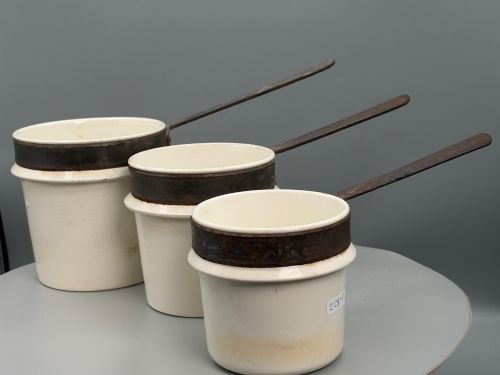
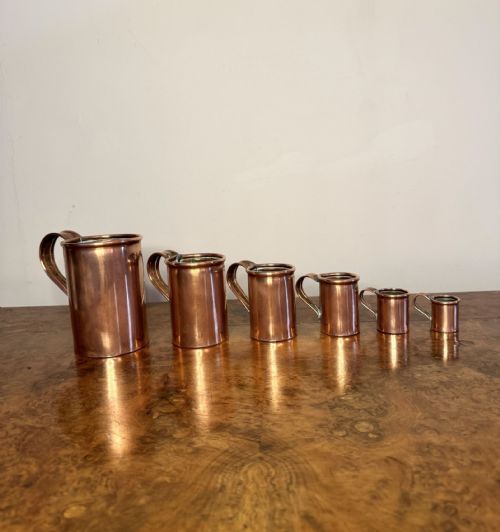
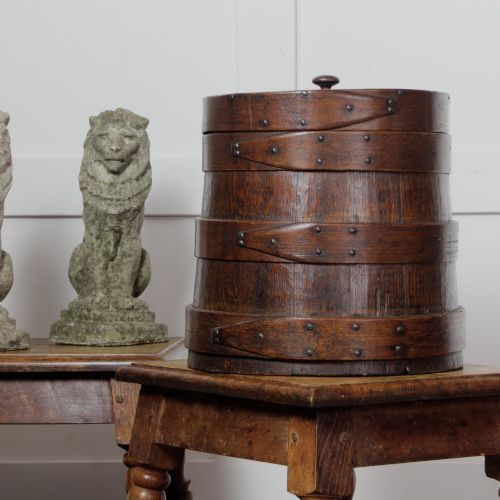
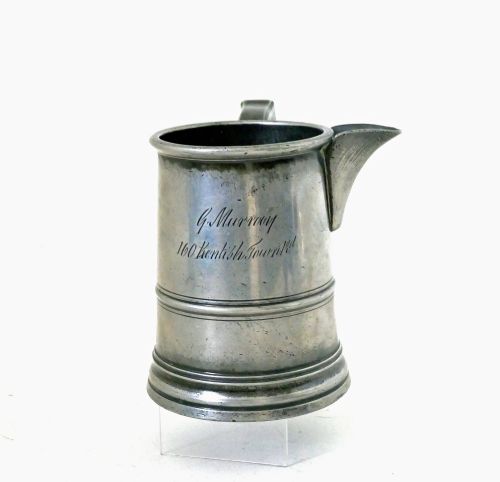
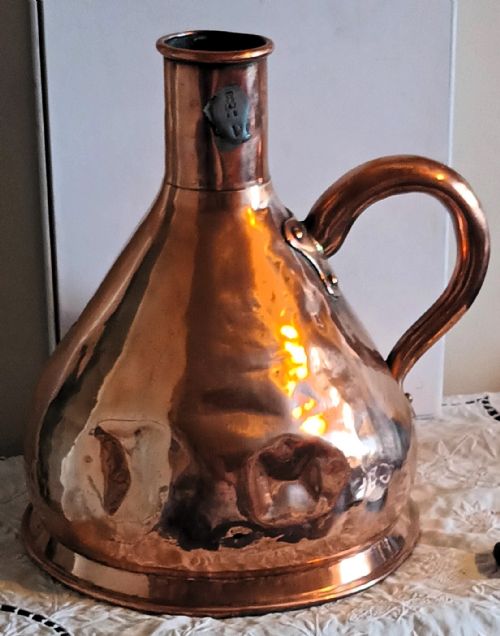
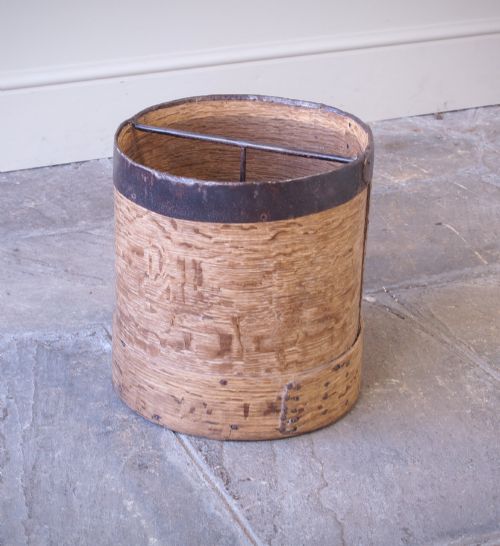
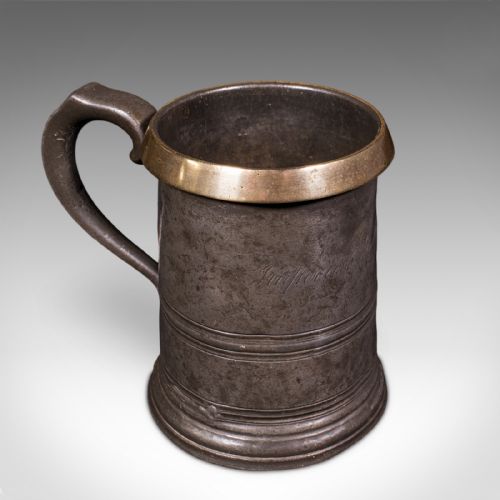
When you search for vintage measuring vessels, you are looking at utilitarian objects once used to portion out liquids, grain, and dry goods in public houses, markets, and domestic kitchens. The examples gathered here range from heavy copper liquid measures and brass haystack jugs to timber grain bins and pewter ale flagons.
You are most likely to meet 19th-century copper and pewter pieces, particularly standard English and Scottish measures stamped for capacity and local verification. Forms vary from simple conical flagons and graduated sets to robust wooden barrels and carved vessels reflecting rural trade.
Materials and construction
Makers relied heavily on copper, brass, and pewter, shaping sheets and casting thick walls to withstand daily commercial use. Many copper jugs feature soldered seams, riveted handles, and brass rims, while pewter flagons display crisp touchmarks and hammered bodies.
Wooden vessels utilise traditional coopering and turning techniques, employing staves of oak or pine secured with iron bands or wooden hoops to hold flour, grain, and liquids.
Vintage Measuring Vessels Retail Price Guide 2026
Typical asking prices for vintage measuring vessels among the pieces listed under this phrase on Sellingantiques today, from the lower quarter to the upper quarter. They describe what is for sale here now, not the wider market.
Several measures still bear the ghosts of old tavern brawls and bustling market days, carrying engraved names of long-gone Kentish Town landlords.
Judging quality in domestic measures
The distinction between ordinary utility items and superior examples lies in the integrity of the metalwork, the clarity of period touchmarks, and the preservation of original surface patination. Heavily polished or stripped surfaces diminish historical character, whereas untouched metal with natural oxidation commands greater interest.
Proportion and weight also dictate worth, as thicker gauge copper and crisply turned wooden staves indicate a higher grade of manufacture intended for official standardisation rather than rough rural work.
Joseph Sankey·J Bower·Loftus of Oxford Street London
The Vintage Measuring Vessels Glossary
- Flagons
- A large drinking vessel or measuring pot with a handle, spout, and often a lid, used primarily for ale and spirits. Pewter and copper examples frequently bear capacity stamps.
- Haystack measure
- A distinctively shaped British liquid measure with a tapered body resembling a traditional stack of hay. These were produced in various sizes from pints to gallons.
- Touchmark
- An official stamp or hallmark impressed into pewter by a maker or guild to guarantee the purity and standard of the metal. These marks help historians trace origin and date.
- Imperial measures
- Official volume standards established by British legislation in the early nineteenth century to regulate trade. Sets of these graduated brass and copper jugs ensured fair commerce in markets.
- Breweriana
- Collectable items associated with the brewing and serving of beer, including public house tankards and ale jugs. These pieces often feature engraved tavern names or verification stamps.
Vintage Measuring Vessels: Frequently Asked Questions
What were vintage measuring vessels used for?
These vessels served a strictly practical role in measuring liquids like ale, wine, and milk, as well as dry goods such as grain and flour. Merchants and publicans relied on them to ensure accurate trade and adherence to legal standards.
Over time, many of these functional tools migrated from taverns and marketplaces into domestic kitchens and pantries before becoming decorative objects for modern interiors.
How do I identify a pewter flagon's age?
Age is best determined by examining the shape of the lid, the thickness of the metal, and any touchmarks stamped into the surface. Earlier pieces often feature flat lids and sturdy handle attachments typical of the eighteenth century.
Maker marks and ownership engravings provide further clues, helping to link a specific piece to a region, tavern, or verification office.
Can copper measures still hold liquids safely?
While many antique copper jugs and flagons remain structurally sound, original linings may have worn thin or contained lead solder used in older manufacturing processes. It is generally wise to treat them as decorative display pieces rather than for daily food and drink consumption.
Displaying them on shelves or using them to hold dried botanicals preserves the metal without risking chemical exposure from historical solders.
How should I clean antique brass and copper?
The consensus among collectors is to leave natural patination untouched, as heavy cleaning strips away the aged surface that gives these metals their character. Dusting with a soft dry cloth is usually sufficient for routine maintenance.
Avoid abrasive polishes and harsh chemical dips, which permanently damage the historical finish and lower the visual appeal of the piece.