






Vintage Marquetry Seat
A vintage marquetry seat combines intricate wood-inlay work with functional seating, offering period craftsmanship that anchors a room with subtle pattern and historical character.
Vintage Marquetry Seat
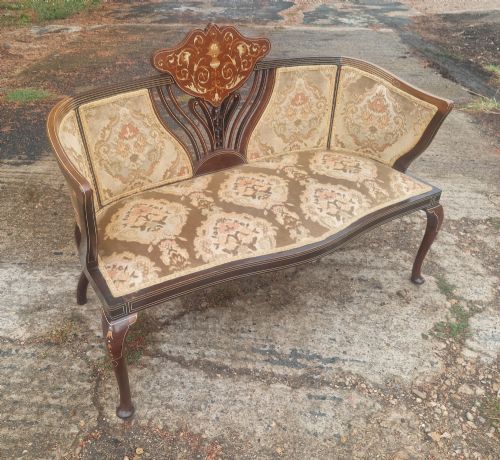
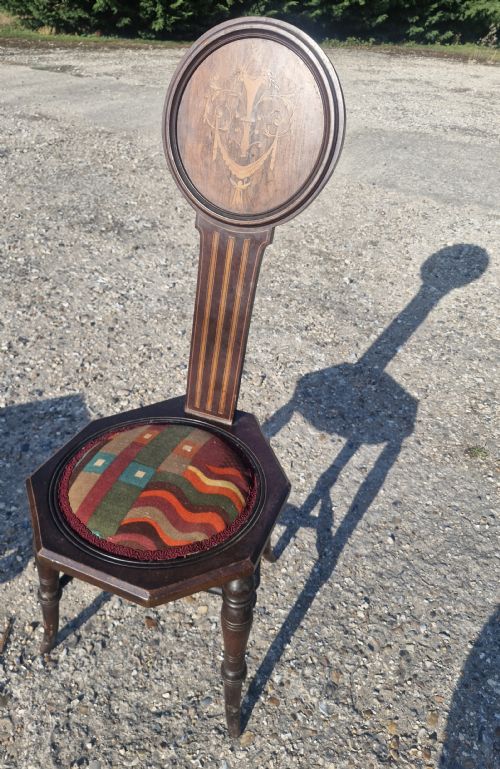
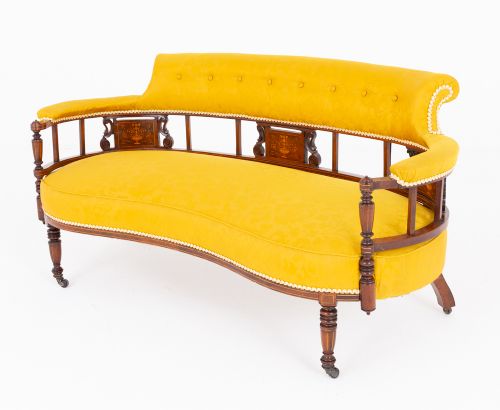
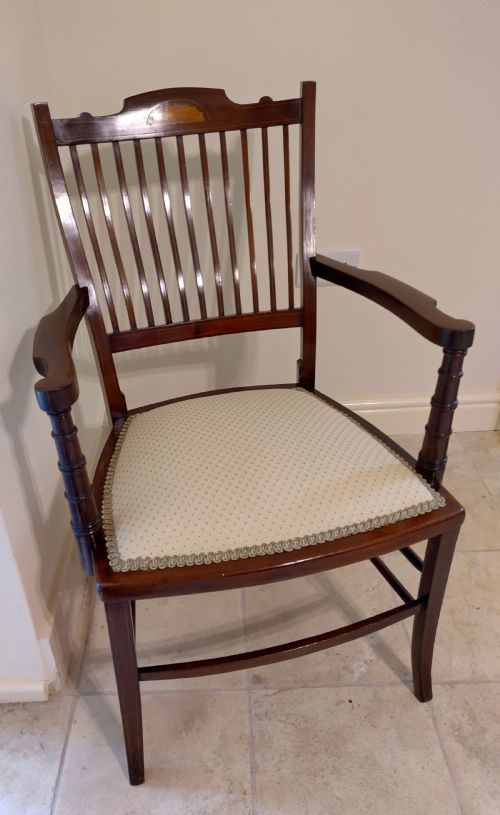
A vintage marquetry seat covers a diverse range of chairs and settees embellished with decorative wood veneers. When searching for a vintage marquetry seat, buyers encounter dining chairs, armchairs, and various settees dating from the nineteenth and early twentieth centuries.
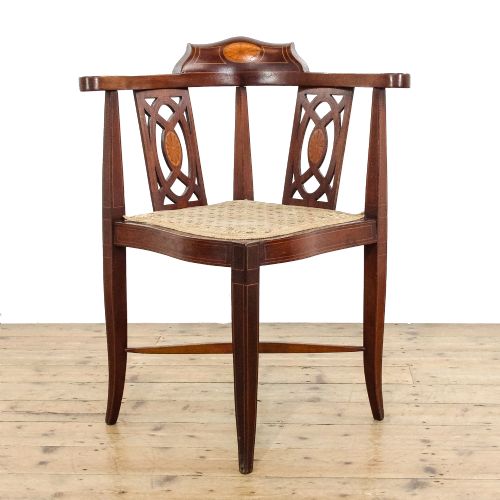
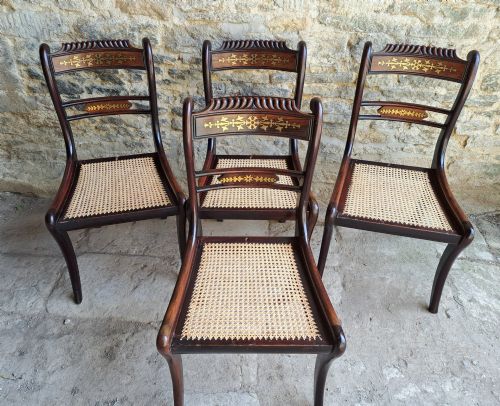
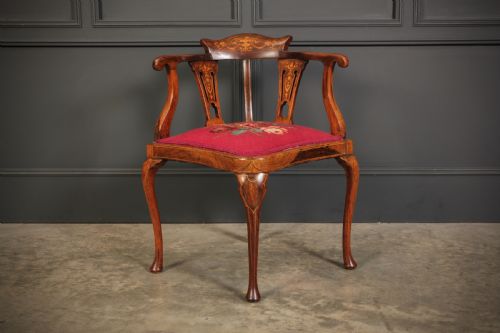
Edwardian mahogany examples form the core of what appears on this page, often featuring delicate inlay work on salon suites, corner chairs, and low armchairs. Alongside these domestic pieces, earlier Regency designs introduce brass inlays on faux rosewood or mahogany frames.
The selection extends to specialised forms such as rocking chairs, library chairs, and revolving ships chairs. Walnut, satinwood, and rosewood serve as primary timber frames for these varied seating arrangements.
How they were made
Cabinet makers constructed these frames predominantly from mahogany, walnut, rosewood, and satinwood. Solid timbers formed the structural legs and rails, while polished veneers provided smooth surfaces for decorative embellishment.
Inlay techniques combined contrasting timbers like boxwood with brass wire or sheet to create geometric and floral motifs. Artisans cut thin veneer pieces by hand and fitted them meticulously into recesses carved directly into the wooden frames.
Vintage Marquetry Seat Retail Price Guide 2026
Typical asking prices for vintage marquetry seat among the pieces listed under this phrase on Sellingantiques today, from the lower quarter to the upper quarter. They describe what is for sale here now, not the wider market.
Listings feature Edwardian mahogany chairs alongside earlier Regency brass-inlaid dining sets and Victorian walnut library seats.
What varies in quality
The finesse of the veneer work dictates the standing of each piece, distinguishing simple linear stringing from intricate pictorial marquetry. Precision in fitting the contrasting wood segments determines how cleanly the patterns integrate into the surrounding timber.
Structural integrity of the joints and the preservation of the original polished surface elevate certain examples above standard commercial output. The weight and selection of the underlying hardwood frame also separate utilitarian seating from formal parlour furniture.
Shoolbred
The Vintage Marquetry Seat Glossary
- Marquetry
- Decorative veneer work assembled in geometric or pictorial patterns on a wooden ground. It differs from inlay by covering the entire surface rather than resting within routed channels.
- Satinwood
- A durable hardwood with a natural golden sheen utilised extensively for contrasting details. Craftsmen employed it to brighten mahogany panels and create crisp borders.
- Boxwood
- A dense, pale timber prized for fine stringing lines and delicate floral accents. Its uniform grain allows for precise cutting in intricate marquetry compositions.
- Corner chair
- An armchair designed to fit neatly into room angles, featuring a square seat set diagonally. They frequently incorporate upholstered pads and pierced splats.
- Faux rosewood
- A painted or stained finish mimicking the rich grain of genuine rosewood. Regency makers utilised this technique on beech or mahogany dining chairs.
Vintage Marquetry Seat: Frequently Asked Questions
How do I care for inlaid wood?
Keep wooden seats away from direct heat sources and strong sunlight to prevent the veneers from drying and lifting over time. Regular gentle dusting preserves the polished finish without risking moisture damage to the delicate glued joints.
Apply a microcrystalline wax periodically to nourish the timber and protect the contrasting inlay work from atmospheric humidity changes.
Where were salon settees placed?
Salon settees originated as formal seating for reception rooms and drawing rooms during the late Victorian and Edwardian periods. They provided comfortable conversational seating near the centre of a room rather than pushed against perimeter walls.
Their compact proportions also suited bedrooms and morning rooms, where lighter occasional seating fulfilled social functions.
What defines Edwardian furniture style?
Edwardian design draws heavily on eighteenth-century Sheraton and Chippendale revivals, favouring lighter proportions and refined proportions. Mahogany frames decorated with satinwood inlay dominated domestic interiors during this era.
Craftsmen balanced decorative flourish with functional comfort, producing versatile chairs suited to contemporary domestic spaces.
Can I use these chairs daily?
Most antique seating structures remain robust enough for regular use provided the joints stay tight and secure. Heavier library chairs and dining sets were built for daily utility.
Delicate salon chairs and intricate corner seats require more mindful handling to preserve their fragile veneered surfaces and antique upholstery.