

Vintage Maritime Instruments
Vintage maritime instruments are precision tools of navigation and observation that bring the mechanical genius of historic sea travel directly into your study.
Vintage Maritime Instruments
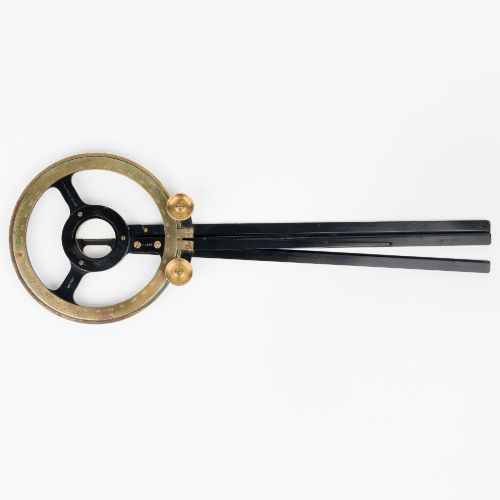
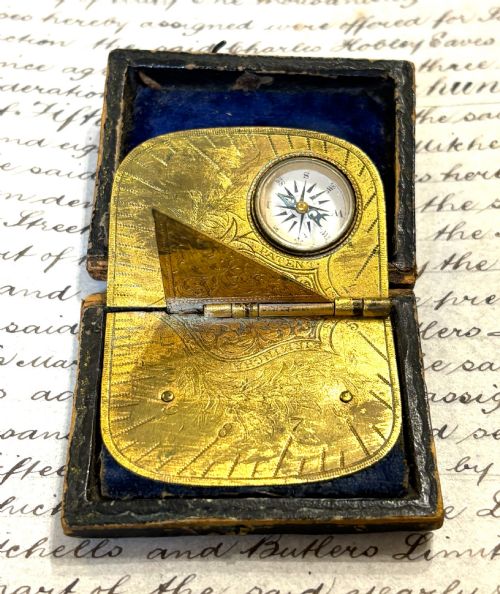
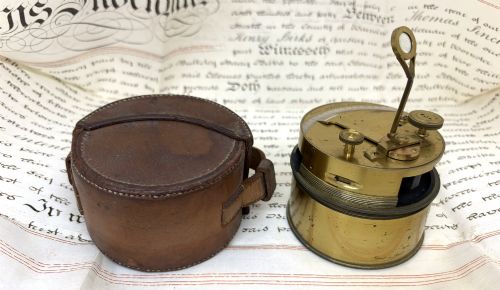
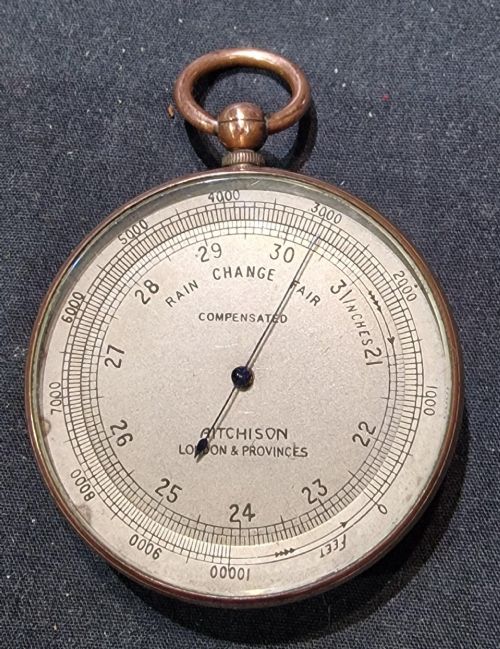
Vintage maritime instruments span a diverse range of functional objects designed for orientation and measurement at sea, from pocket barometers and portable sundials to large ships binnacles and complex marine chronometers. When you search for vintage maritime instruments, you encounter scientific and navigational equipment originating primarily from the Georgian, Victorian, and Edwardian periods.
How they were made
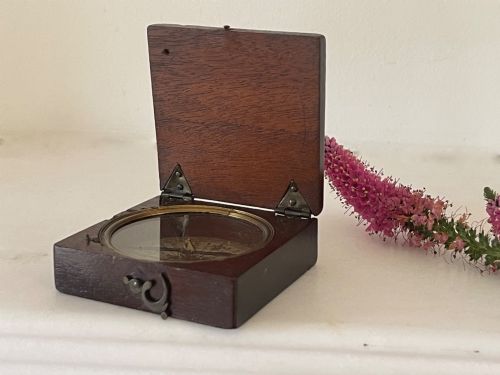
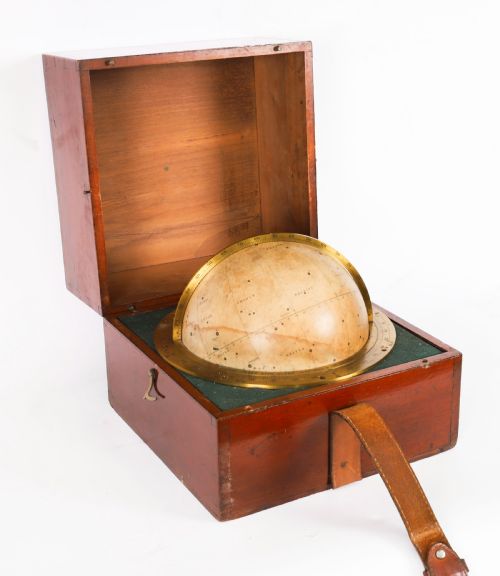
Brass and glass form the core material combination for these instruments, supplemented by seasoned hardwoods such as mahogany and rosewood for protective housings and barometer bodies. Metals receive careful polishing, while dials often feature silvered surfaces with finely engraved graduations for accurate reading.
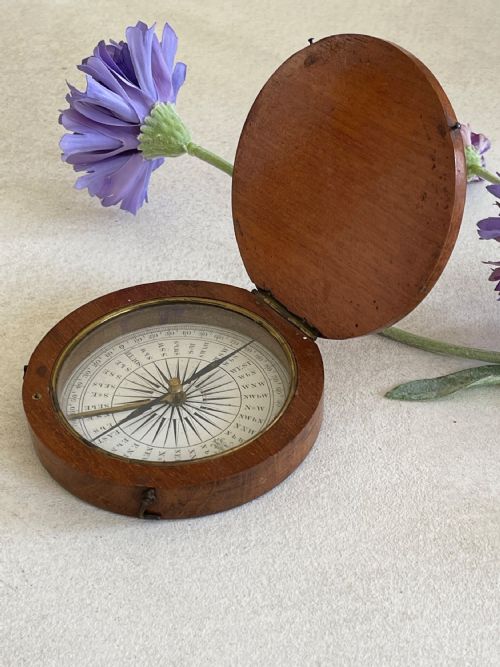
Leather dressing appears frequently on portable spyglasses and explorer telescopes to provide a durable grip during field use. Makers utilised traditional joining and housing techniques, fitting delicate glass lenses and paper compass cards securely within robust brass or wooden frames.
Listings feature scientific instruments spanning the Georgian era through the twentieth century, constructed in brass, mahogany, and glass.
What varies in quality
Quality in these instruments depends upon the precision of the mechanical engineering and the clarity of the optical or dial components. Master makers invested greater labour into smooth draw actions on telescopes, precise gear movements in chronometers, and crisp, legible engravings on compass cards and barometer faces.
The integrity of the original housing also determines the standing of a piece, with fitted mahogany cases, complete interior labels, and retained accessories such as original keys or instruction booklets elevating the historical completeness of the object.
Negretti and Zambra·Thomas Mercer·W and T Gilbert·Newton and Co·Stanley London
The Vintage Maritime Instruments Glossary
- Binnacle
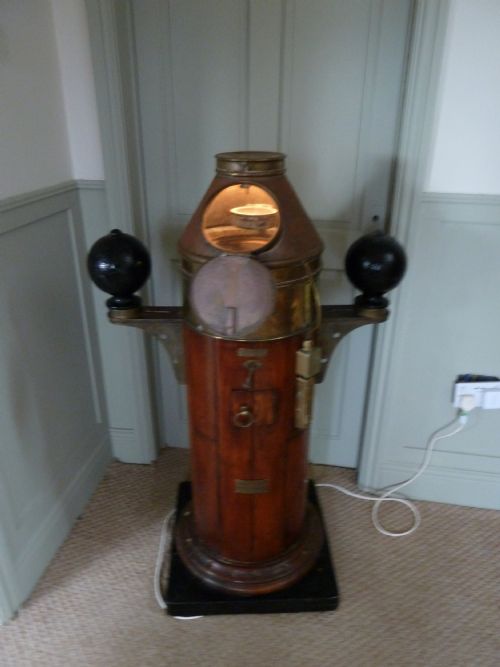
- A stand or housing on the deck of a ship that holds the ship's compass. It kept the compass secure and visible to the helmsman during rough weather.
- Chronometer
- A highly accurate marine timekeeper used to determine longitude at sea. These precision clocks maintained exact time despite the rolling motion of a vessel.
- Octant
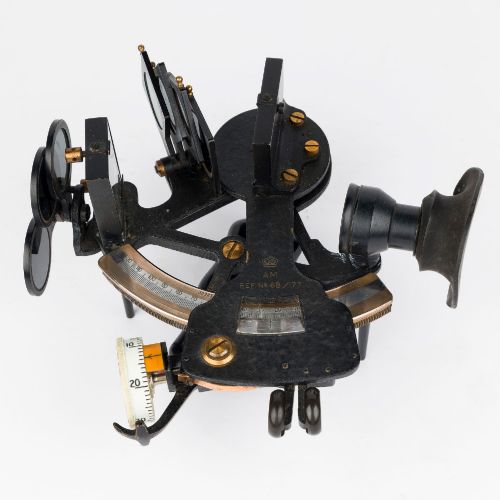
- An early reflecting instrument used to measure angles for navigation before the sextant became standard. It uses a mirror system to align celestial bodies with the horizon.
- Spyglass
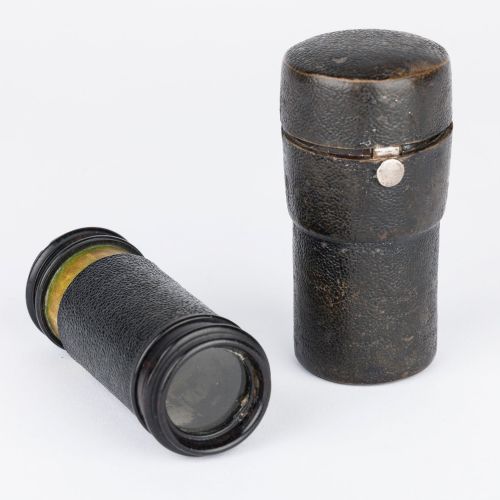
- A small, portable refracting telescope with multiple draws. Officers and explorers relied on these compact instruments for distant observations.
- Barograph
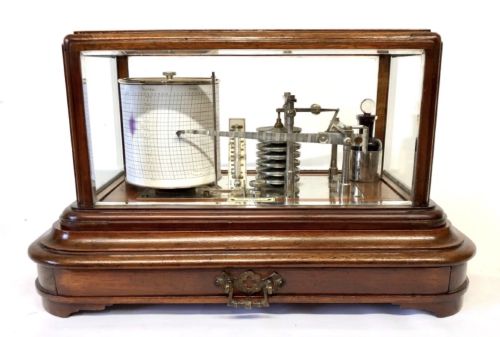
- A recording barometer that plots barometric pressure over time on a rotating drum. These instruments provide a continuous graphical record of atmospheric changes.
Vintage Maritime Instruments: Frequently Asked Questions
How do I read a marine barometer?
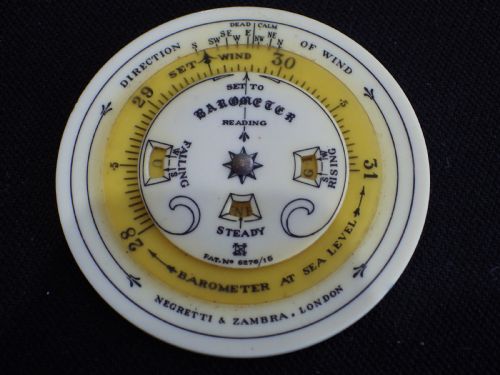
Marine barometers measure atmospheric pressure to help predict changing weather conditions at sea. The sliding indicator needle is set manually over the current pressure to track whether readings rise or fall over subsequent hours.
Changes in the silvered dial indicate approaching storms or fair weather. Historic barometers often include companion thermometers or weather forecasting instructions printed on paper inside the case lids.
How should I clean brass instruments?
Historic brass instruments require minimal intervention to preserve their natural age and patina. Dusting with a dry microfiber cloth prevents particle accumulation on exposed metal surfaces.
Avoid chemical polishes that strip away the mellowing of centuries. Leather-dressed components benefit from occasional neutral leather balms to prevent drying and cracking.
What is the difference between a spyglass and a telescope?
Spyglasses generally refer to compact, multi-draw pocket telescopes designed for portability and quick deployment by travellers and officers. They collapse into small lengths suitable for carrying in a pocket or belt holster.
Telescopes often describe larger, more powerful optical instruments requiring larger brass barrels and dedicated wooden cases. Both utilise glass lenses to magnify distant terrestrial or celestial targets.
How do portable sundials work?
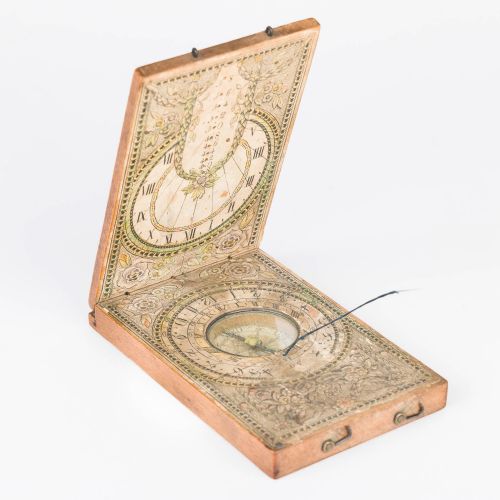
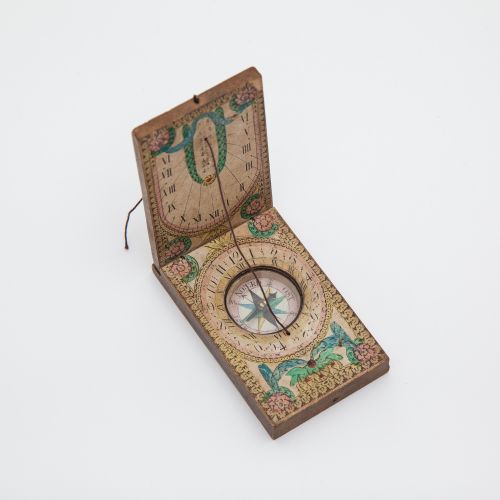
Portable sundials rely on an integrated compass to orient the device toward magnetic north. Once aligned, a hinged gnomon or string casts a shadow across a graduated scale to indicate local apparent time.
Diptych models fold flat into wooden or treen pocket cases secured with brass hooks. Travellers adjusted these instruments according to their latitude when moving between different regions.