

Vintage Marble Lighting
Vintage marble lighting brings heavy stone bases and slender metal columns together to illuminate a room with architectural weight.
Vintage Marble Lighting
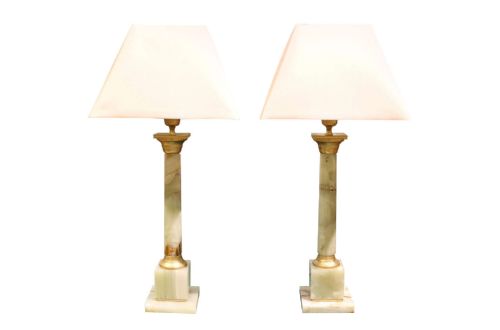
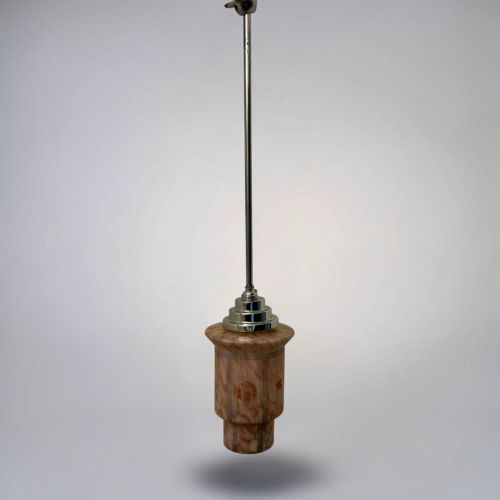
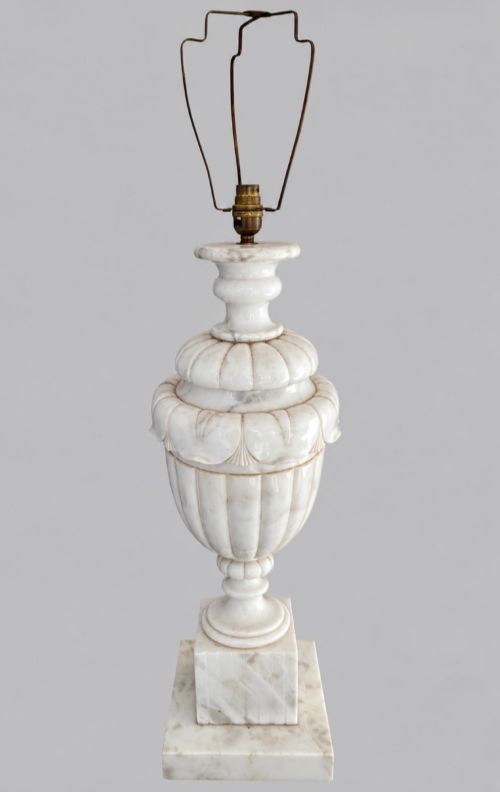
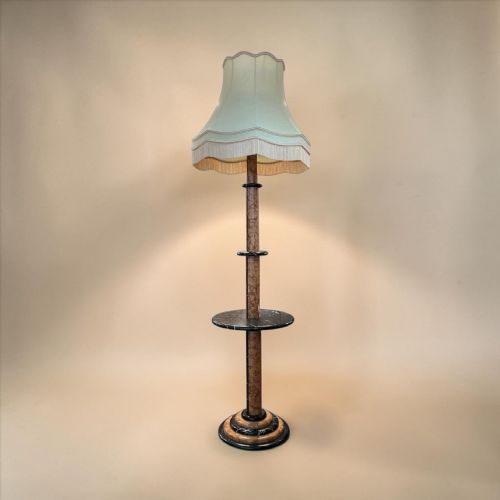
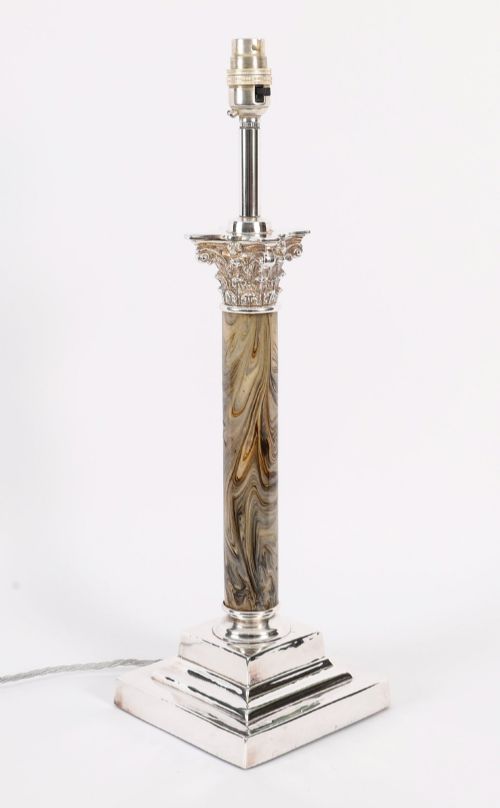
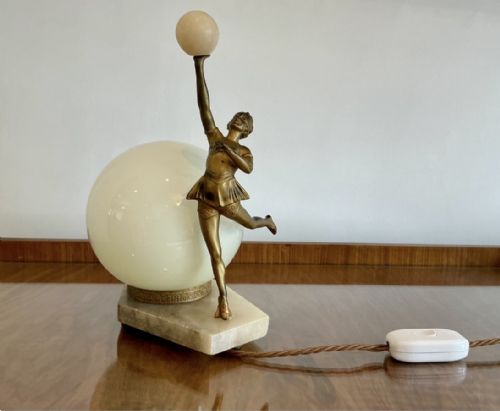
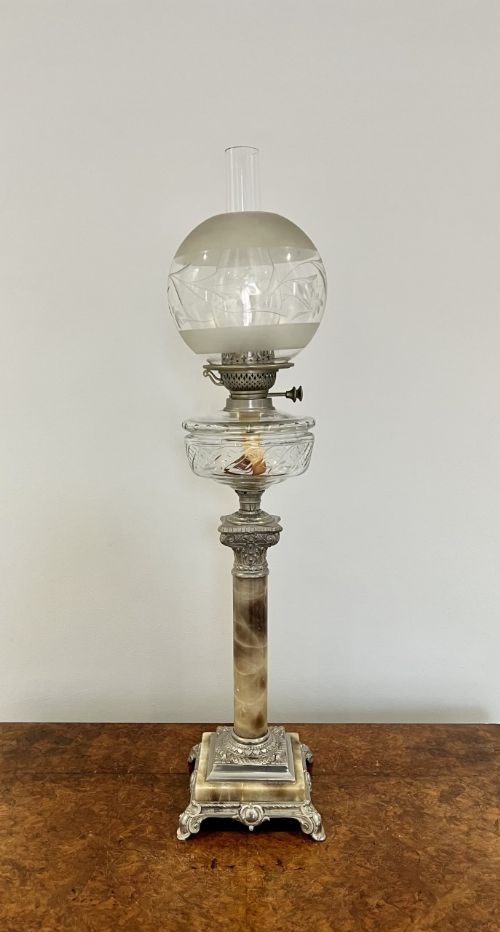
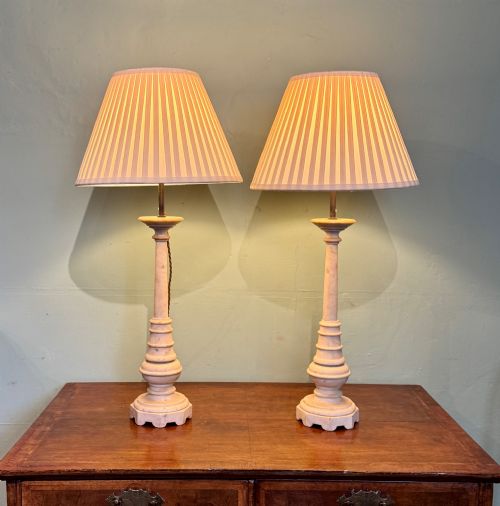
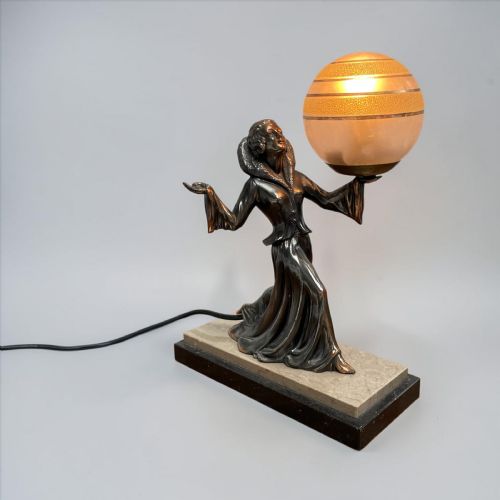
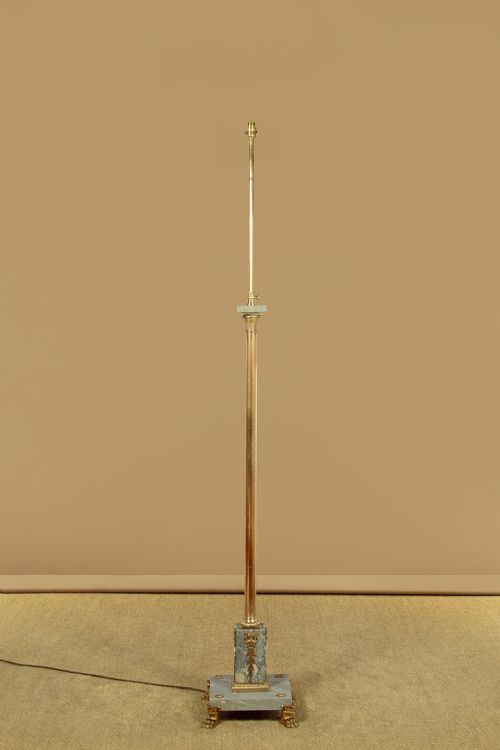
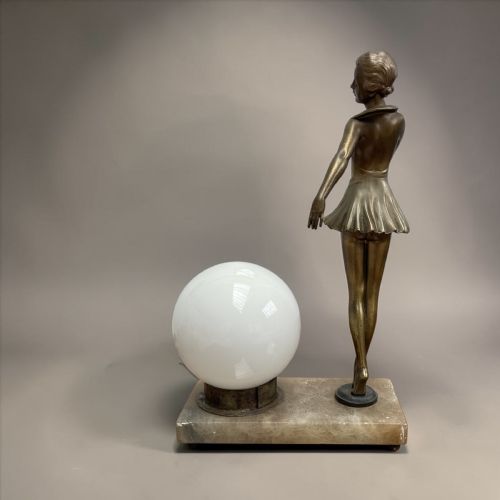
Vintage marble lighting encompasses table lamps, floor lamps, candelabras and ceiling lights built from natural stone combined with metal fittings. Pieces bearing the vintage marble lighting description range from heavy 19th-century Victorian columns to streamlined Art Deco designs.
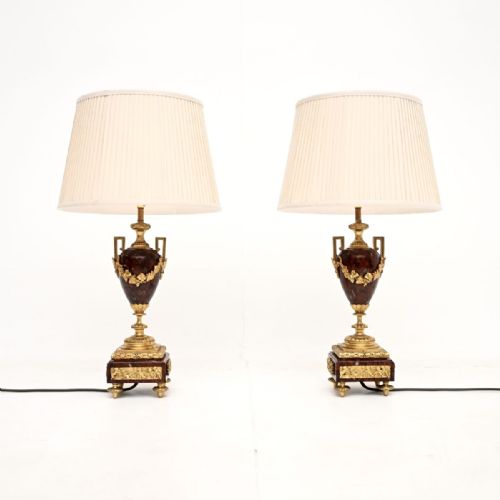
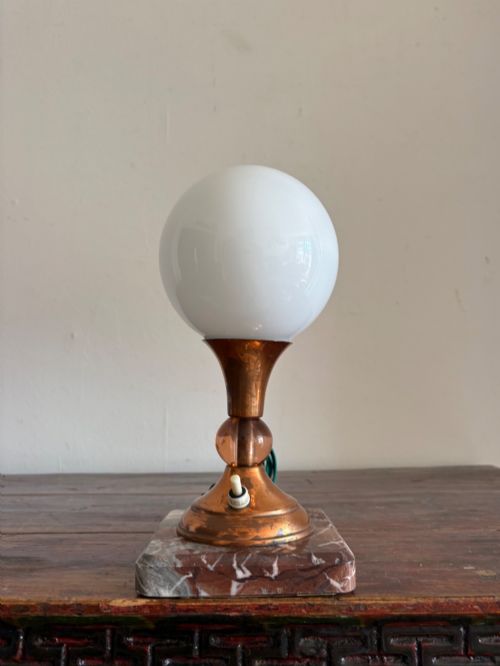
The most common form encountered in vintage marble lighting is the table lamp, frequently paired with brass, gilt bronze or opaline glass shades. These functional objects transition from period oil lamps and candlesticks into electrified lighting fixtures.
Origins span across French, Italian and British workshops, showing stylistic influences from the Victorian, Edwardian and Art Deco periods. Solid marble bases provide the substantial weight necessary to anchor tall standards and multi-branched candelabras securely.
Materials and construction methods
Makers combine carved marble, onyx or alabaster with cast brass, bronze, copper and ormolu mounts to build structural support. Metal components are cast and chased before being assembled onto heavy stone plinths.
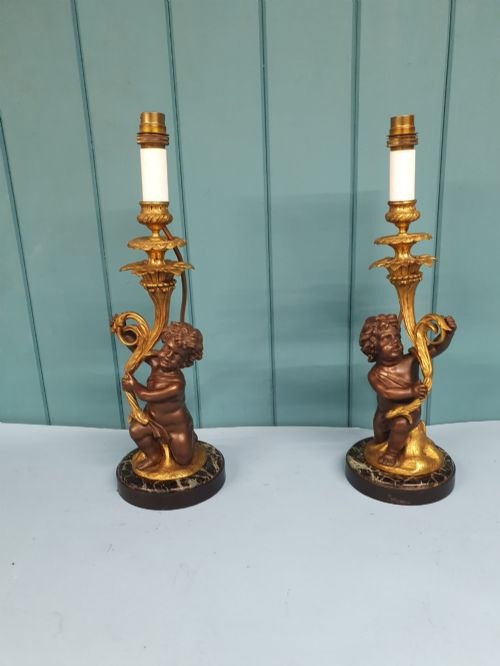
Surfaces utilise contrasting textures, pairing polished white or rouge marble with gilt bronze trim, spelter figures and fabric or glass shades. Wiring adaptations integrate modern electrical cords through previously solid oil lamp reservoirs and columns.
Vintage Marble Lighting Retail Price Guide 2026
Typical asking prices for vintage marble lighting among the pieces listed under this phrase on Sellingantiques today, from the lower quarter to the upper quarter. They describe what is for sale here now, not the wider market.
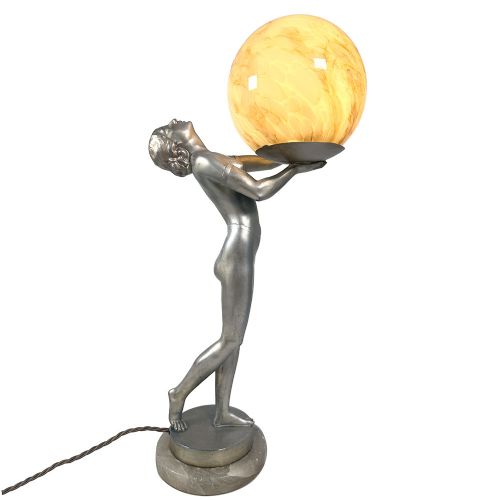
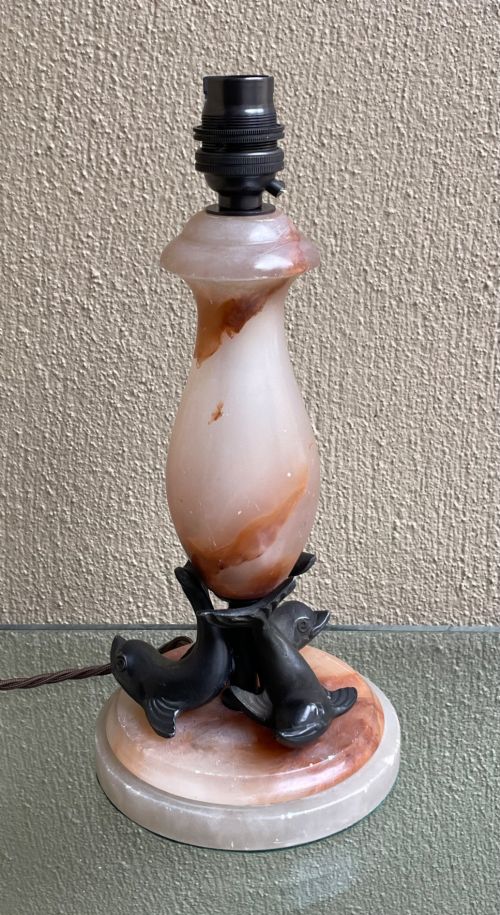
Art Deco selections include novelty animal designs featuring dogs, parrots and dolphins perched beside the lamp column.
Assessing quality in stone and metal
Quality rests upon the purity of the stone and the crispness of the metal casting. Superior pieces feature finely grained solid marble or alabaster paired with hand-chased gilt bronze rather than basic brass plating.
Proportion and balance determine the architectural success of a lamp. Finer examples maintain symmetrical harmony between the heavy stone base and the upper shade or candelabra arms.
The Vintage Marble Lighting Glossary
- Alabaster
- A fine-grained translucent stone used for carved bowls and lamp bodies. This material diffuses light softly when illuminated from within.
- Ormolu
- Gilded bronze mounts applied to furniture and lighting bases. This decorative technique creates a bright gold finish against dark stone.
- Caryatid
- A sculpted female figure serving as an architectural support. These figures often form the stem of classical revival lamps.
- Spelter
- A zinc alloy cast into decorative figures and lamp bases. This metal is frequently painted or bronzed to imitate richer materials.
- Onyx
- A banded variety of chalcedony used for decorative lamp bases. Its natural veining provides distinctive patterning.
Vintage Marble Lighting: Frequently Asked Questions
How do I clean a marble lamp base?
Dust the stone regularly with a soft, dry cloth to prevent dirt settling into the natural pores of the marble. Avoid acidic household cleaners that etch polished stone surfaces.
Use a damp cloth with mild soap for stubborn marks, then dry the surface completely. Keep moisture away from any electrical components or metal mounts.
Are these lamps converted from old oil lamps?
Many period lighting pieces began life as oil lamps, candlesticks or decorative urns before receiving electrical wiring later. Conversions retain the original brass burners or reservoirs while routing cords safely through the centre.
Inspect the base and stem construction to identify how the original hardware was adapted. Such conversions preserve historical metalwork while adding modern utility.
How do I date a marble lamp?
Examine the stylistic markers, such as Neoclassical columns, Victorian brass details or geometric Art Deco silhouettes. The construction methods of the metal mounts and wiring access points also indicate the manufacturing era.
Compare the stone type and turning techniques against documented period examples. French Empire and Louis XVI revival pieces often display distinct cast bronze ornament styles.
Can I replace the lampshade safely?
Replacement shades require careful attention to the original proportions and fitting types of the lamp standard. Match the shade fitter style to the harp or gallery currently installed on the fixture.
Consider the weight and opacity of fabric or glass shades to ensure the lit lamp remains balanced. Neutral or opaline glass options maintain the historical character of Art Deco and Victorian designs.