





Vintage Mantle Ornament
These vintage mantle ornament selections bring character and history directly to the hearth, offering everything from Art Deco figures to Victorian ceramics.
Vintage Mantle Ornament
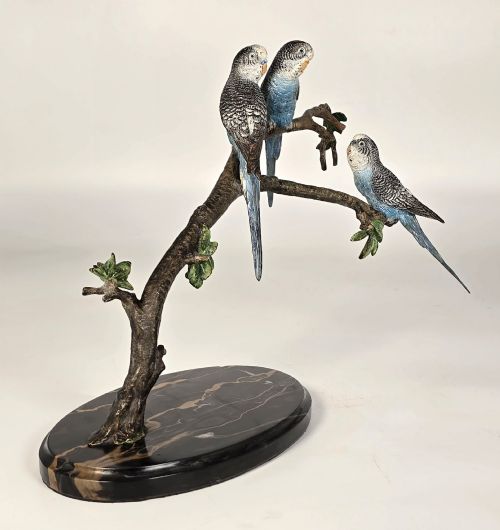
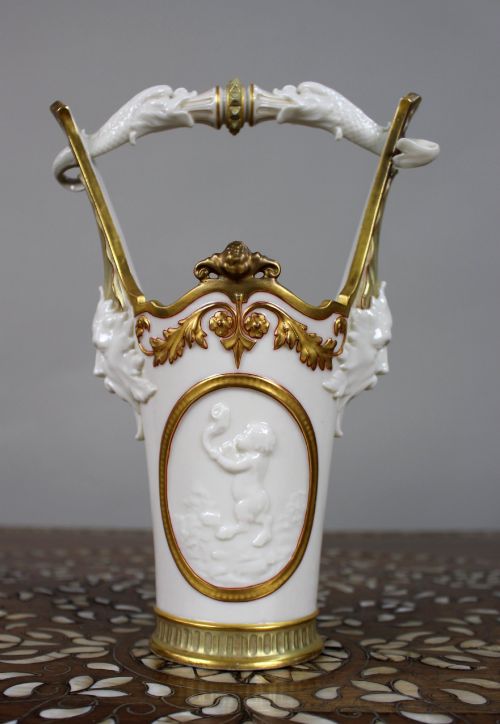
A vintage mantle ornament functions as a decorative display piece specifically chosen to sit atop a fireplace mantel. The selection on this page ranges widely across decorative categories, encompassing items described as vintage mantle ornament pieces alongside diverse sculptures, figurines, vases, and model ships.
Buyers will encounter objects spanning several distinct periods, most notably the nineteenth century through the Art Deco era of the 1920s and 1930s. Forms vary from single figures and matched pairs to elaborate figural groups mounted on marble or pottery bases.
How they were made
Maker workshops utilised a substantial variety of materials, combining cast metals such as bronze, spelter, and silver plate with ceramics including porcelain, earthenware, bisque, and glazed pottery. Alabaster, marble, and glass also appear frequently among the physical construction of these objects.
Techniques range from cold painting on metal and intricate hand-painting on porcelain to detailed casting of figures and animals. Many pieces incorporate specialised finishes like enamel glazing or incorporate distinct bases made from contrasting materials.
Vintage Mantle Ornament Retail Price Guide 2026
Typical asking prices for vintage mantle ornament among the pieces listed under this phrase on Sellingantiques today, from the lower quarter to the upper quarter. They describe what is for sale here now, not the wider market.
Listings feature periods spanning from the Victorian era through the Art Deco movement, utilising bronze, porcelain, and marble.
What varies in quality
Quality differences often hinge upon the fineness of the modelling and the precision of the surface decoration, particularly in hand-painted ceramics and cast metal sculptures. Details in facial expressions, plumage, and drapery reveal the skill of the original maker or foundry.
The choice of base materials also distinguishes pieces, with heavy stones like marble or alabaster and solid cast bronzes representing a different tier of production compared to lighter alloys or basic earthenware.
Royal Worcester·Ernst Whaliss·Charles Anfrie·Le Manceau
The Vintage Mantle Ornament Glossary
- Spelter
- A zinc alloy frequently utilised as a cost-effective substitute for bronze in decorative figures. It is often painted or bronze-finished to resemble more expensive metalwork.
- Bisque porcelain
- Unglazed porcelain that has been fired once, yielding a matte, marble-like texture. This finish is particularly common on Victorian figures and detailed sculptural groups.
- Cold painted
- A method where metal sculptures are painted with non-heat-set paints after the casting process. Careful handling is required to preserve the remaining pigment over time.
- Flatback
- A style of ceramic figure moulded with a flat, undecorated rear side designed to sit flush against a wall or mantelpiece. These pieces were traditionally produced in large quantities by Staffordshire potteries.
- Lustre
- A type of ceramic or glass glaze that produces an iridescent metallic sheen when fired. It catches the firelight effectively in a domestic hearth setting.
Vintage Mantle Ornament: Frequently Asked Questions
How do I clean a ceramic mantle ornament?
Dust these decorative items gently with a dry, soft brush to avoid disturbing any delicate hand-painted details or cold-painted finishes. Avoid using liquid cleaners unless you are certain the glaze or paint layer is entirely stable.
Keep ceramic and porcelain pieces away from damp areas to protect the fabric of the piece over time. Regular, gentle maintenance preserves the surface integrity without risking abrasion.
Were these ornaments strictly meant for fireplaces?
While many items are termed fireplace ornaments or specifically proportioned for hearth display, they were equally placed on sideboards, tables, and ledges throughout the home. Their compact sizes made them versatile additions to nineteenth-century and early twentieth-century domestic interiors.
Owners frequently rearranged them alongside clocks and candlesticks to create balanced decorative arrangements. Today, they adapt easily to various display surfaces beyond the traditional mantel.
How do I identify an Art Deco piece?
Art Deco items typically feature stylised geometric forms, streamlined silhouettes, and motifs inspired by speed, dance, and modernism. Common subjects include dancers, hunting dogs, and abstract figural groups often mounted on contrasting marble bases.
Materials from this period frequently include spelter with silver plating, glazed ceramics, and carved alabaster. These stylistic markers help distinguish 1920s and 1930s works from earlier Victorian designs.
Can I display metal figures near direct heat?
Bronze, spelter, and silver-plated items tolerate ambient room warmth, but placing them directly above an active, open fire can subject them to damaging temperature fluctuations. Excessive heat may dry out underlying materials or affect applied surface finishes like cold paint.
Consider positioning metal ornaments on cooler sections of the mantelpiece if the fireplace is in regular use. This protects both the metal casting and any associated marble or stone mounts.