
Vintage Mahogany Stool
A vintage mahogany stool brings classic timber and versatile seating into a room, offering everything from piano seats to library steps.
Vintage Mahogany Stool
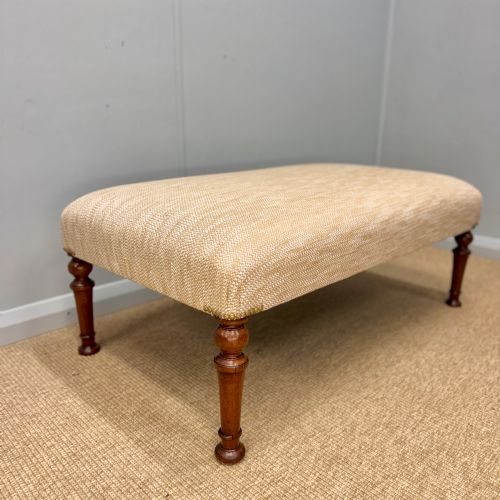
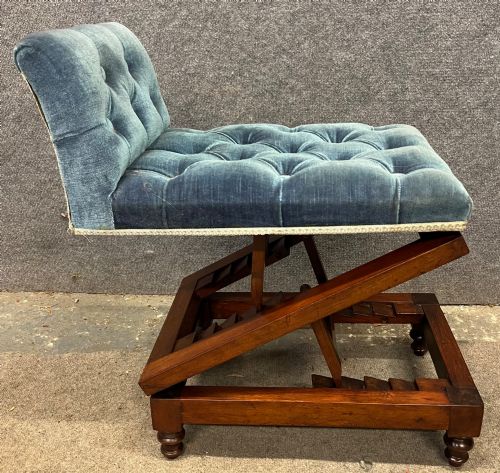
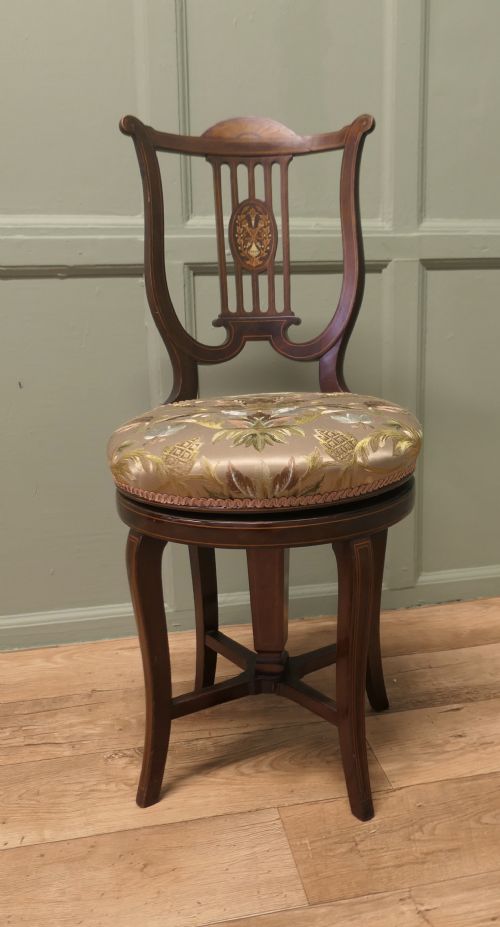
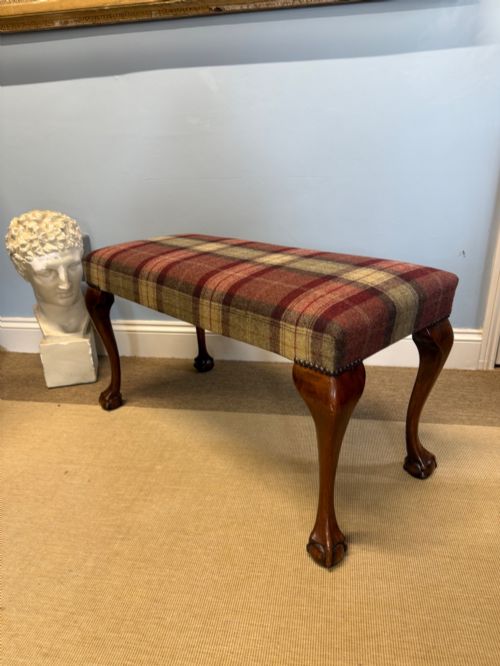
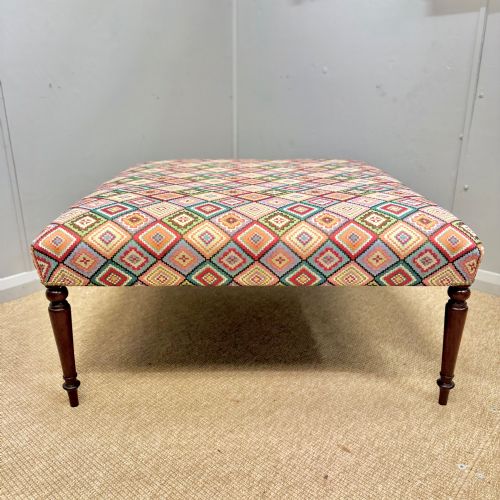
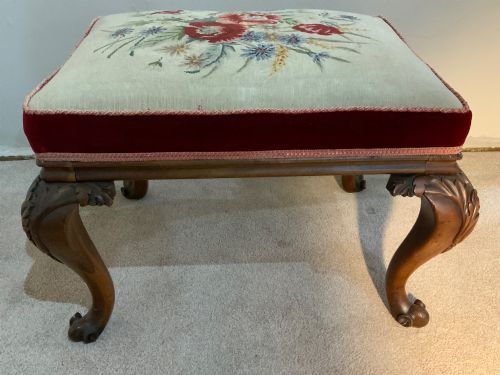
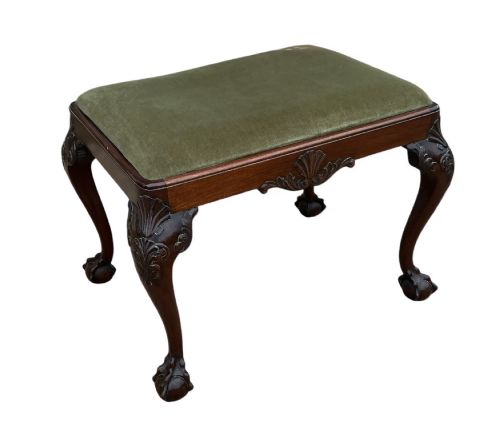
A vintage mahogany stool covers a surprisingly broad selection of low seating, dressing table chairs, and metamorphic library steps found across this page. Buyers seeking a vintage mahogany stool will encounter forms stretching from Victorian cabriole leg designs to Edwardian piano seats and Georgian dressing stools.
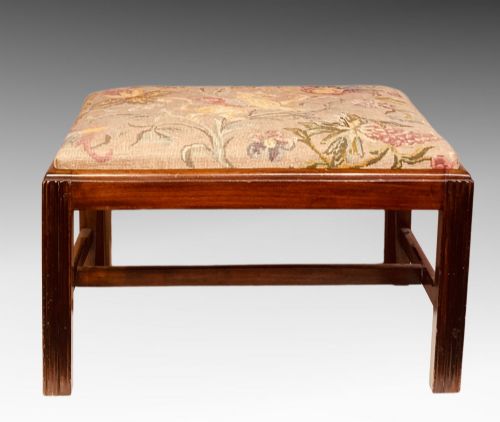
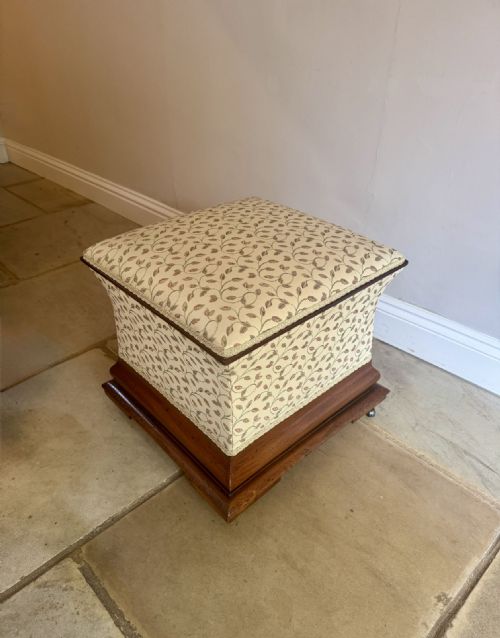
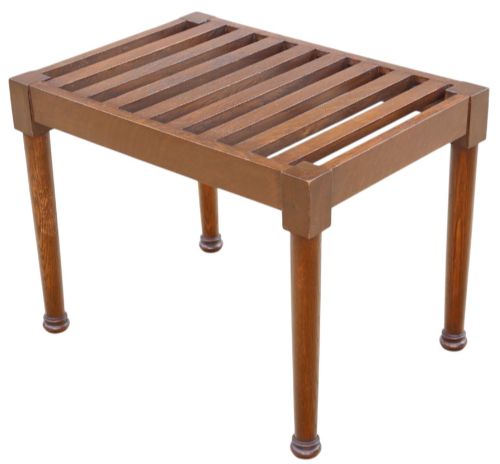
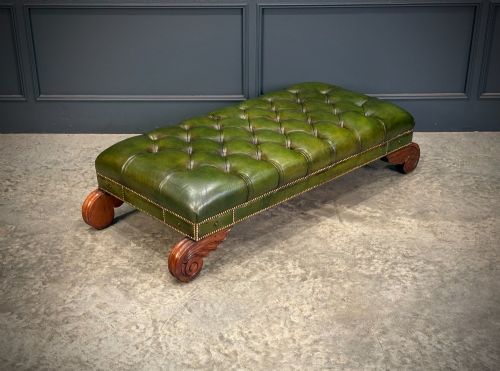
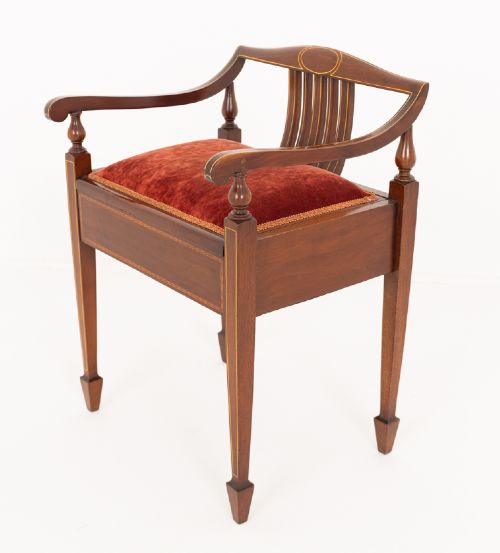
The selection ranges from simple upholstered footstools and ottomans to revolving music chairs and folding luggage stands rendered in rich hardwood. Many pieces incorporate functional elements like cross stretchers, adjustable mechanisms, or leather-topped treads designed for practical domestic use.
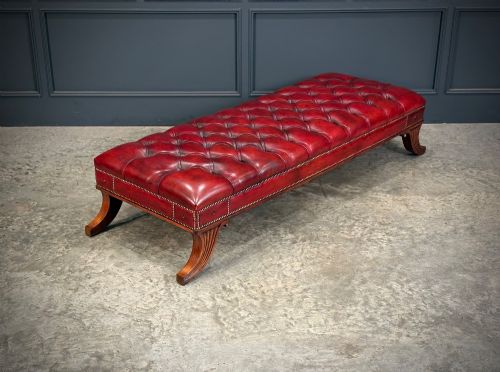
Origins span distinct historical revivals alongside pieces dated securely to the nineteenth and early twentieth centuries. Whether locating a tall leather stool or a low tapestry-covered footrest, the common thread remains the dense grain of mahogany paired with traditional form.
How they were made
Makers relied primarily on solid mahogany and hardwood frames, frequently accented with brass hardware, castors, or hinges on metamorphic library steps and adjustable seats. Construction often utilised traditional joinery methods to support weight while maintaining slender legs, such as cabriole configurations.
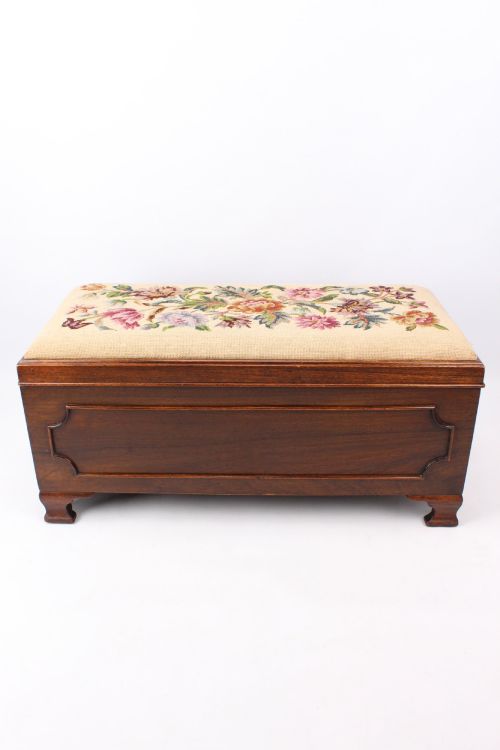
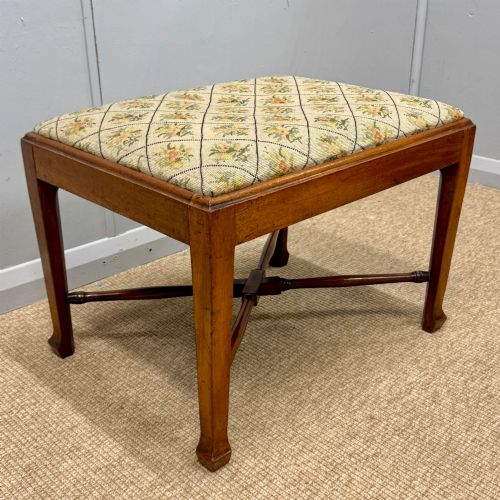
Upholstery materials varied widely according to period tastes, encompassing buttoned leather, woven tapestry, wool, fabric, and velvet. Needlework seats and caned tops also appear, reflecting the specific functional requirements of piano stools, footstools, and dressing benches.
Listings feature mahogany, brass, leather, velvet, and tapestry across Victorian, Edwardian, and Regency periods.
What varies in quality
Distinction in these pieces rests upon the crispness of the mahogany carving, the integrity of the timber's grain, and the fidelity of revival styles to their earlier Georgian or Regency precedents. Superior examples display refined proportions, well-turned stretchers, and robust mechanical components on revolving or adjustable seating.
The standard of upholstery and the preservation of original leather, tapestry, or fabric significantly influence the character of each item. Pieces retaining untouched secondary woods and tight joinery separate standard utility items from finer examples of period craftsmanship.
Howard & Sons·Liberty & Co
The Vintage Mahogany Stool Glossary
- Cabriole leg
- A furniture leg that curves outward at the knee and tapers inward toward the foot, commonly seen on Victorian and Georgian revival seating.
- Metamorphic
- A descriptive term for furniture that transforms from one form to another, such as library steps that fold down into a chair ladder.
- Cross stretcher
- Wooden bracing members connecting the legs beneath a stool to provide structural stability and rigidity.
- Caned top
- A seating surface woven from peeled cane strips, offering a resilient and lightweight platform on square tables or stools.
- Needlework seat
- A textile surface worked by hand in yarn or thread, frequently mounted over upholstery on footstools and ottomans.
Vintage Mahogany Stool: Frequently Asked Questions
How do I date a mahogany stool?
Dating relies on observing secondary woods, construction techniques, and stylistic markers such as cabriole legs or turned stretchers. Comparing these details against known Victorian, Edwardian, or Georgian conventions helps narrow the decade of manufacture.
Changes in upholstery methods and mechanical hardware for adjustable seats also provide reliable clues for establishing the correct period of origin.
Can library steps be used as seating?
Certain metamorphic library steps are specifically designed to convert into chair ladders, serving a dual purpose in studies and libraries. Other standard library steps are purely intended for reaching high shelves.
Carefully inspect the locking mechanisms and structural stability before using any folding step structure as a permanent seat.
How should I care for leather upholstered stools?
Leather tops and buttoned cushions benefit from regular dusting with a soft, dry cloth and occasional treatment with appropriate leather conditioners to prevent cracking. Keeping the timber away from direct heat sources protects the mahogany finish.
Avoid using harsh chemical cleaning agents on either the leather upholstery or the polished hardwood frame.
What is the difference between a piano stool and a footstool?
Piano stools are typically taller and frequently feature revolving mechanisms or adjustable heights to accommodate keyboard players comfortably. Footstools are low to the ground and designed primarily to support the feet while sitting in an armchair.
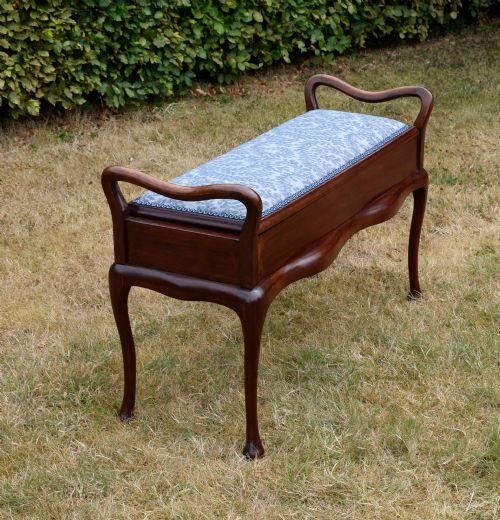
Many piano stools also include internal compartments for sheet music beneath the seat.