
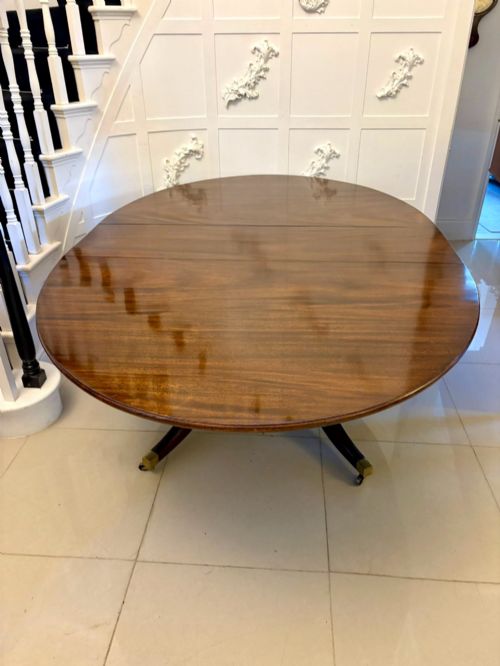
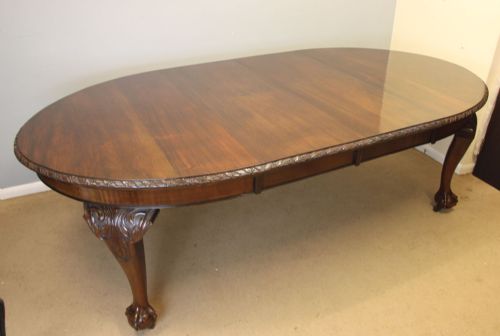
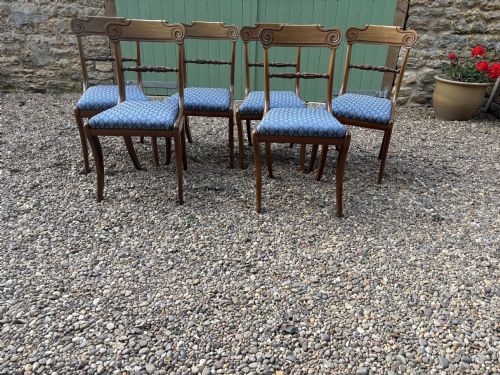
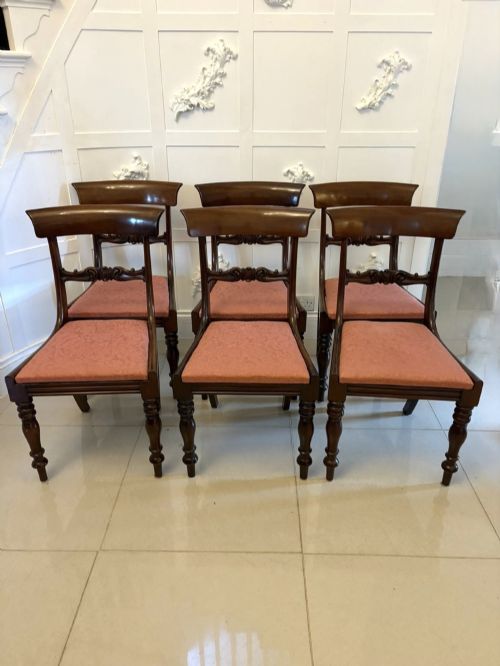
Vintage Mahogany Dining
These vintage mahogany dining pieces bring traditional timber grain and classic proportion to the room.
Vintage Mahogany Dining
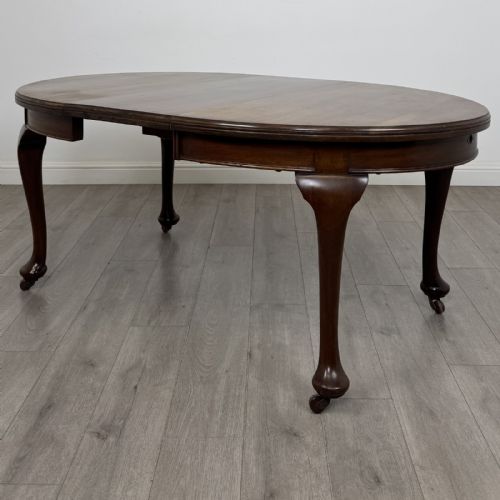
When you search for vintage mahogany dining, you encounter an array of furniture designed for gathering and serving, ranging from large extending tables to sets of chairs and sideboards. These forms bridge the eighteenth, nineteenth, and early twentieth centuries, drawing on Georgian, Regency, and Victorian aesthetics.
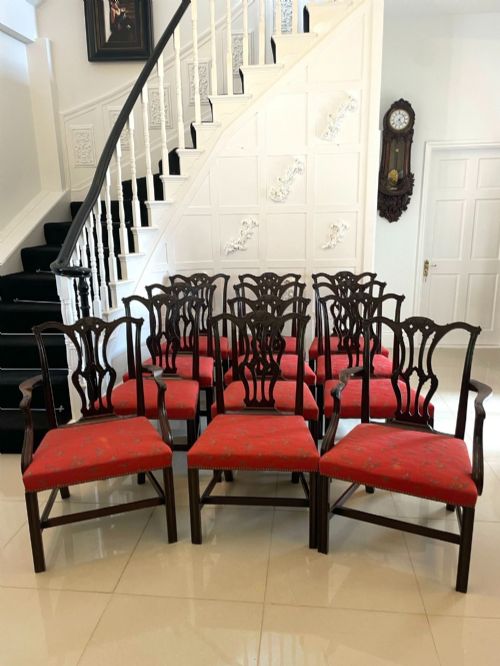
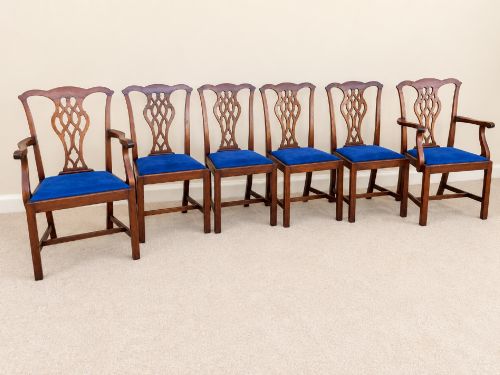
The most common items on this page are dining tables and matching sets of chairs, alongside sideboards and chiffoniers. Pieces span formal George III designs through to Edwardian and revival interpretations, showing how dining rooms evolved over generations.
How they were made
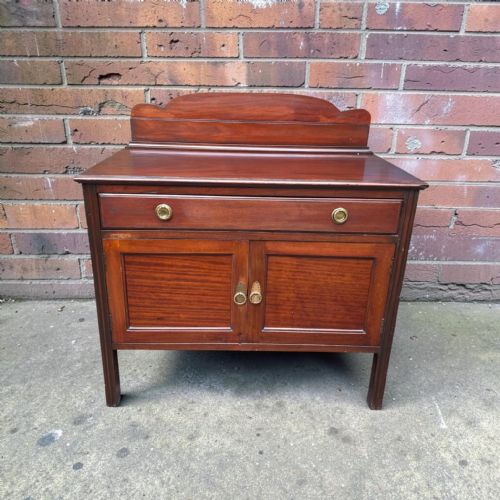
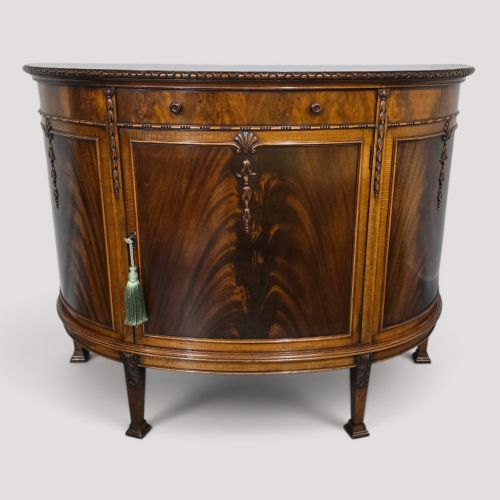
Cabinet makers utilised solid mahogany and flame mahogany veneers, selecting timber for deep red tones and rich figuring. Brass hardware, such as castors and inlay, added functional contrast and decorative detail.
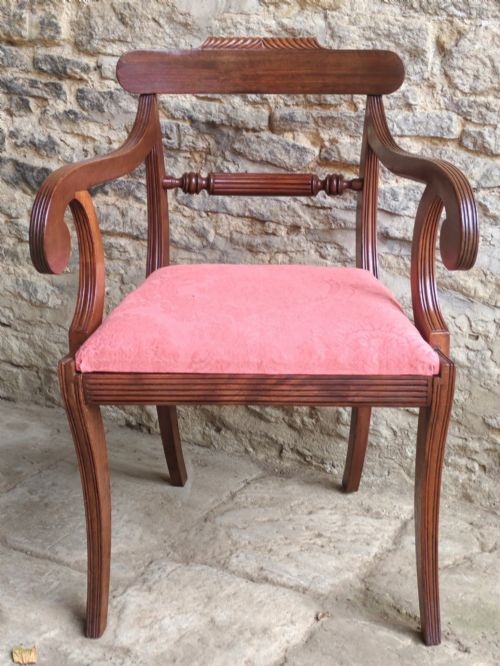
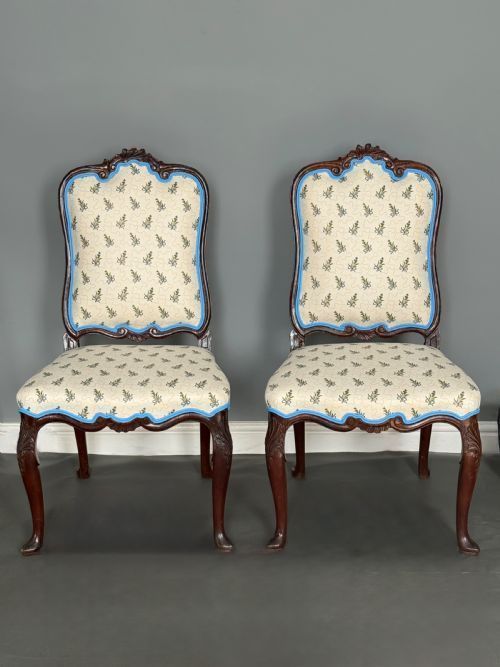
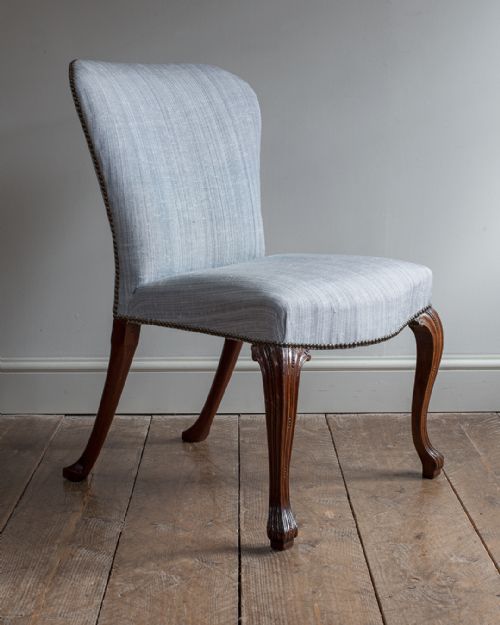
Seating relied on supportive timber frames upholstered in fabric, velvet, or leather. Construction techniques prioritized sturdy joinery to withstand daily use around the dining table.
Materials appearing across the inventory comprise solid mahogany, flame mahogany, brass castors, and various fabric and leather upholsteries.
What varies in quality
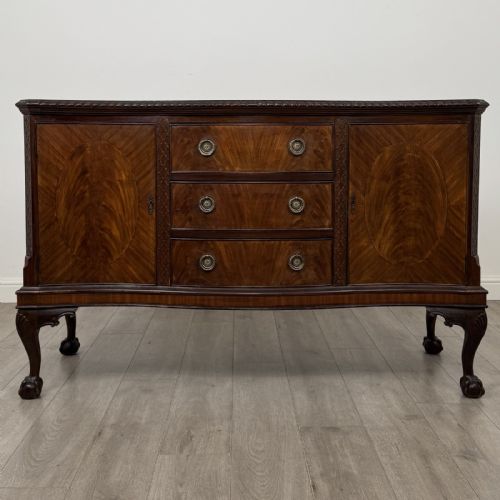
Quality rests in the selection of the timber grain, particularly where figured or flame mahogany veneers show careful matching across large surfaces like table tops and sideboard fronts. Finer pieces demonstrate precision in carved details, such as shield backs or lion paw feet, executed with sharp definition.
Structural integrity also separates standard items from exceptional ones. Well-made tables incorporate smooth winding mechanisms for extending leaves, and chairs retain rigid joinery without excessive movement in the joints.
Howard and Sons
The Vintage Mahogany Dining Glossary
- Mahogany
- A durable hardwood prized for its deep reddish-brown colour and fine grain. It forms the primary structural material for these dining tables and chairs.
- Flame mahogany
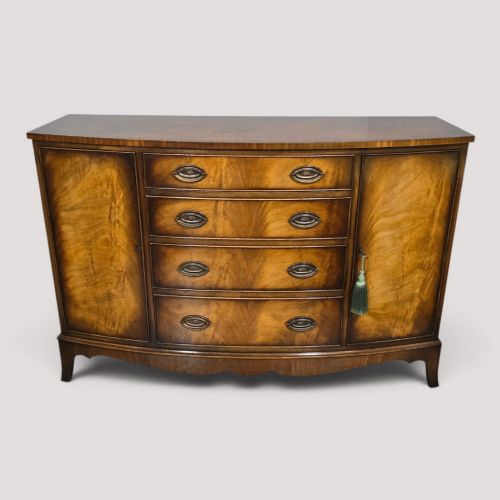
- A veneer showing a distinctive flickering flame pattern cut from the fork of the tree. Cabinet makers reserved this timber for prominent surfaces on sideboards and table tops.
- Extending table
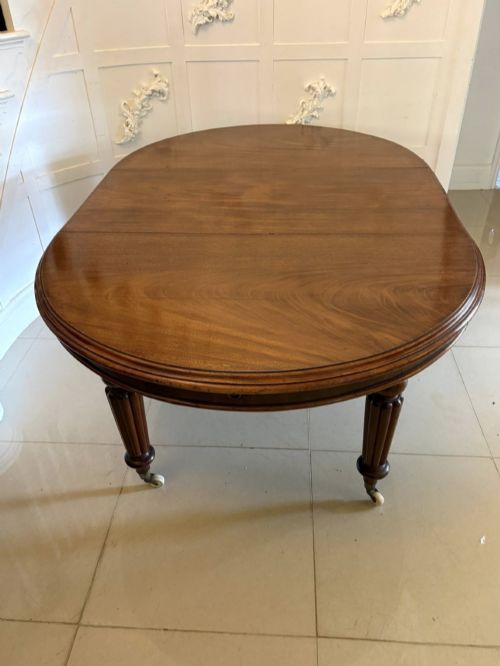
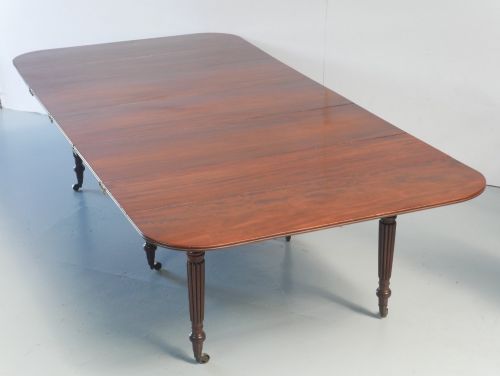
- A dining table designed with a central mechanism and removable leaves to adjust its length. This practical form accommodates varying numbers of guests.
- Carver armchair
- A larger armchair designed to sit at the head of a dining table. These pieces often match a set of smaller side chairs.
- Chiffonier
- A low sideboard or cabinet featuring shelves and cupboards. Victorians utilised these pieces in dining rooms for storing silver and glassware.
Vintage Mahogany Dining: Frequently Asked Questions
How do I date a mahogany dining table?
Dating relies on examining the construction methods, timber selection, and overall style of the piece. Tables from the Georgian and Regency periods often display hand-cut joinery and different timber preparation compared to later revival pieces.
Hardware, leg profiles, and the presence of extension mechanisms also provide clues. Comparing the piece to documented examples from the same era helps narrow down the decade.
Are extending tables practical for daily use?
Extending tables offer significant versatility for modern homes by allowing you to adjust the surface area depending on the occasion. Winding mechanisms permit smooth expansion when hosting guests.
Daily use requires sensible care of the timber surface and the extension mechanism. Regular maintenance ensures the leaves align correctly and operate without catching.
How do I match chairs to a table?
Matching chairs to a table involves looking at the primary wood tone, period style, and decorative motifs such as inlay or carving. Sets often share similar leg shapes or back designs, such as shield backs or balloon backs.
Contrast can also work if the wood species and height proportions complement each other. Mixing carver armchairs at the table ends with side chairs along the flanks creates a balanced arrangement.
What is the difference between Georgian and revival pieces?
Original Georgian pieces date from the eighteenth and early nineteenth centuries, carrying the direct influence of period designers and contemporary craftsmanship. They show distinct wear and construction traits of their era.
Revival pieces date from later periods, such as the late nineteenth or early twentieth centuries, and replicate earlier styles like Chippendale or Sheraton. These items utilise historical aesthetics while employing the manufacturing standards of their own time.