



Vintage Luxury Jewellery
When you search for vintage luxury jewellery, you are seeking pieces of notable design and substance from periods ranging across the nineteenth and twentieth centuries.
Vintage Luxury Jewellery
When you search for vintage luxury jewellery, you encounter a diverse selection of wearable items and associated containers spanning several decades. The pieces range from Edwardian and Art Deco examples through to mid-century modern designs and later high fashion accessories.
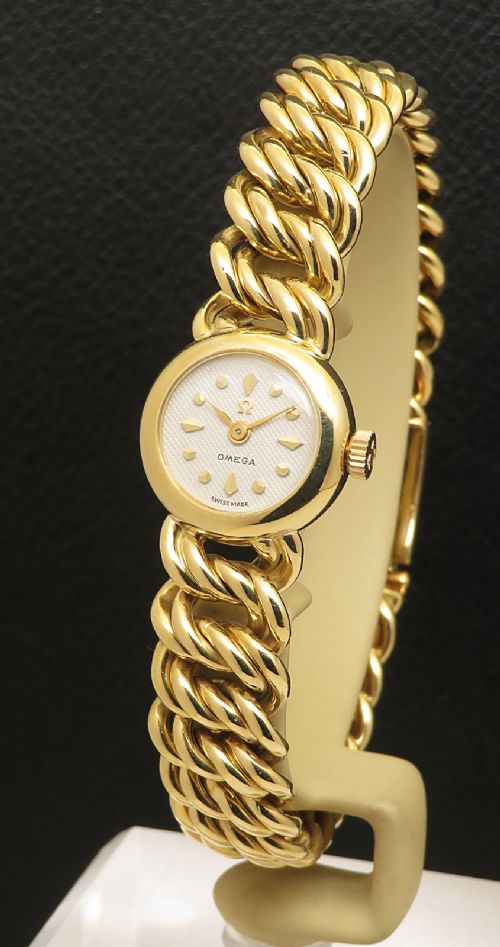
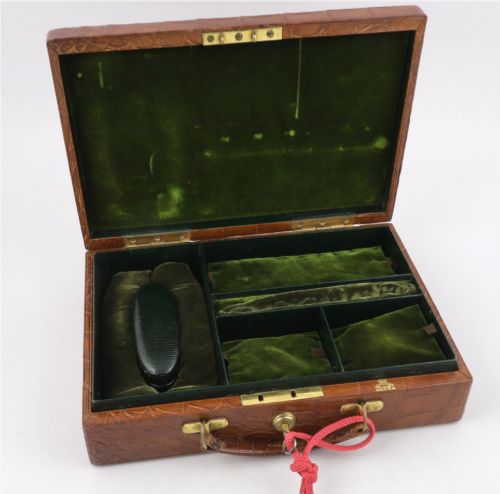
The objects listed under vintage luxury jewellery encompass fine personal adornments such as diamond drop earrings, gemstone rings, diamond-set brooches, and gold wristwatches. Alongside these are functional luxury goods including leather jewellery boxes and silver decorative boxes.
How they were made
The construction of vintage luxury jewellery relies heavily on traditional precious metals such as solid 18ct yellow gold, 9ct gold, and white gold. Makers also utilised gold-tone metal, solid 800 silver, and fitted gemstones including diamonds and Burmese rubies into the designs.
Beyond metalwork, fine items incorporate specialised materials like glass and organic textures including crocodile leather and crocodile skin. Fitted cases often feature interior linings of velvet to protect the contents.
Vintage Luxury Jewellery Retail Price Guide 2026
Typical asking prices for vintage luxury jewellery among the pieces listed under this phrase on Sellingantiques today, from the lower quarter to the upper quarter. They describe what is for sale here now, not the wider market.
Materials across these listings span 18ct yellow gold, 9ct gold, diamonds, Burmese rubies, solid 800 silver, glass, velvet, and crocodile leather.
What varies in quality
Quality in vintage luxury jewellery is distinguished by the weight and purity of the materials employed, such as solid gold versus metal-tone plating. Substantial metal gauge and substantial gemstone carat weights indicate superior execution.
The reputation of the maker or retailer, alongside the presence of original packaging like boxes and papers, elevates a piece. Fine detailing in specialised settings, such as diamond-set brooches or intricate watch movements, marks out the higher tier of production.
Omega·J C Vickery·Chanel·Gucci·E. Wolfe & Co
The Vintage Luxury Jewellery Glossary
- 18ct Yellow Gold
- An alloy containing a high proportion of pure gold, valued for its rich colour and durability in fine rings, watches, and earrings. It provides a warm setting for diamonds and other precious stones.
- Diamond
- A naturally occurring gemstone composed of carbon, prized for its brilliance and hardness. It frequently appears as the primary decorative element in high-end rings, brooches, and drop earrings.
- Crocodile Leather
- An exotic skin utilised for durable and prestigious exterior casings on luxury boxes and travel cases. It offers a distinct textured finish associated with early twentieth-century travel accessories.
- Drop Earrings
- Earrings designed to hang below the earlobe, often incorporating diamonds and substantial gold settings to catch the light during movement.
Vintage Luxury Jewellery: Frequently Asked Questions
What defines vintage luxury jewellery?
Vintage luxury jewellery encompasses high-end decorative pieces and accessories produced in past decades, typically utilising precious metals like gold and silver alongside fine gemstones.
These items reflect the distinct aesthetic movements of their respective periods, ranging from Edwardian refinement to mid-century boldness.
How are these pieces stored?
Many fine items were originally retailed alongside dedicated storage containers, such as crocodile leather jewellery boxes and velvet-lined silver cases.
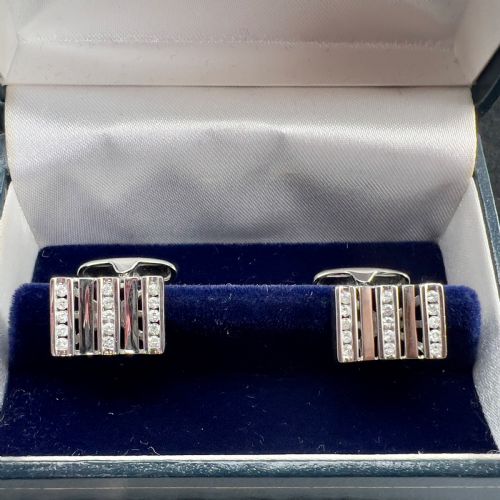
These containers were designed to protect delicate gold watches, cufflinks, and rings from tarnish and physical damage.
Can I wear these items daily?
Solid gold pieces and robust wristwatches are generally suited for regular wear, provided they receive appropriate maintenance and professional servicing when necessary.
More delicate gemstone settings or vintage fashion accessories may require greater care to preserve their original condition.
How do I identify the period?
Dating relies on stylistic markers characteristic of specific eras, such as Edwardian delicacy, Art Deco geometry, or mid-century modernist lines.
Hallmarks, maker signatures, and accompanying documentation can also help establish the precise timeline of manufacture.