


Vintage Luxury Desk Accessory
A vintage luxury desk accessory brings unmistakable heritage to a workspace, combining practical utility with exceptional material craft.
Vintage Luxury Desk Accessory
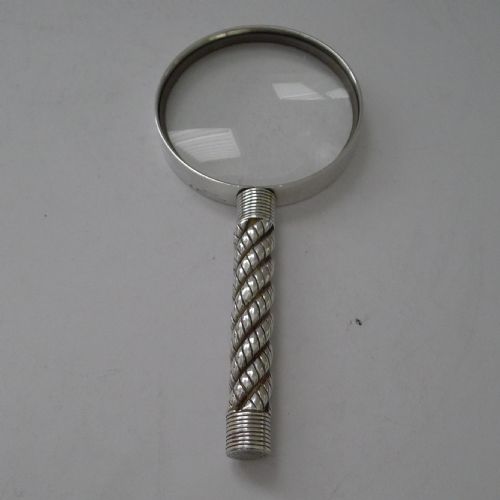
A vintage luxury desk accessory encompasses refined functional objects for the study, ranging from magnifying glasses and fountain pens to perpetual calendars and decorative boxes. These pieces often originate from renowned design houses and historical periods, reflecting a standard of craftsmanship intended for distinguished interiors.
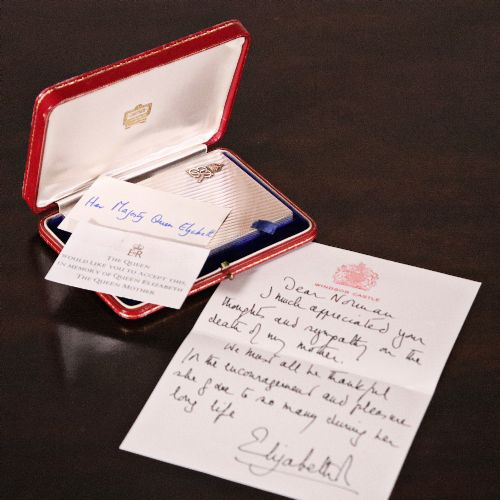
The forms extend to smoking compendiums, trinket dishes, and notelet cases produced in varied stylistic traditions from Mid-Century Modern to Victorian and Qing Dynasty aesthetics. Each object serves to organise or elevate a desktop while retaining the distinct character of its era.
How they were made
Metals form the foundation of many pieces, utilising sterling silver, silver plate, solid 800 silver, and gilt bronze. Artisans shaped these materials through casting, hammering, and detailed mount work.
Precious inserts and decorative elements incorporate jade, glass, silk, and velvet. These substances required specialised lapidary and textile mounting techniques to integrate securely with metal housings.
Writing instruments and horological items integrate fine nibs and mechanical movements housed within precious metals. Construction methods rely on precision engineering combined with manual assembly.
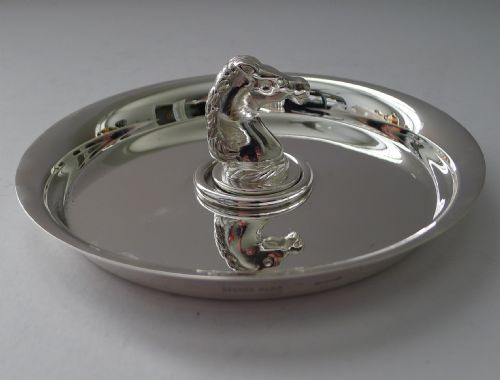
Even a simple horse head dish manages to keep an executive's desk properly horsed.
What varies in quality
The distinction between tiers rests upon the weight of the materials and the prestige of the issuing house. Heavier metal gauges and documented maker attributions elevate a piece significantly above standard commercial production.
Execution of detail defines the upper range, seen in the crispness of casting on bronze mounts or the precise integration of jade panels with silver frames. Lesser examples display simpler finishing and less substantial mountings.
Hermes, Paris·Cartier·Montblanc·Garrards·Gucci, Italy·Asprey Of London
The Vintage Luxury Desk Accessory Glossary
- Vide poche
- A small tray or dish intended for emptying pockets of small items such as coins and keys. These pieces often feature sculptural animal motifs or cast metal borders.
- Boulle
- A form of marquetry using brass and tortoiseshell inlaid into furniture or decorative objects. It was named after a French cabinetmaker and appears on period calendars and boxes.
- Meisterstück
- A prominent fountain pen model line produced by Montblanc. The term translates to masterwork and denotes high-grade writing instruments.
- Sterling silver
- An alloy consisting of silver and other metals to increase durability while maintaining purity. It is frequently hallmarked to indicate standard fineness.
- Perpetual calendar
- A mechanism designed to display the date correctly across years without manual adjustment. These desk devices often combine metalwork with enamel or wood.
Vintage Luxury Desk Accessory: Frequently Asked Questions
What defines a luxury desk accessory?
These items combine high-end materials like sterling silver, gold, and jade with functional design for the workspace. They originate from notable makers and periods.
Such objects were created to elevate ordinary administrative tasks into rituals of refinement, serving as both tools and decorative centerpieces.
How do I care for silver desk items?
Sterling silver and silver plate require gentle cleaning with appropriate cloths to remove tarnish without abrasive scratching. Storing them away from damp environments preserves their finish.
Regular handling naturally maintains the surface lustre of frequently used items, while stored pieces benefit from occasional specialised polishing.
Are vintage pens still functional?
Many vintage fountain pens retain their structural integrity and gold nibs, allowing them to write when properly serviced. Nib flexibility and ink delivery depend on the specific filling system used.
Collectors often test older writing instruments gently, ensuring internal sacs or pistons are restored before daily use.
How are periods identified?
Stylistic cues such as the clean lines of mid-century design or the ornate flourishes of Victorian work point to specific eras. Maker marks and silver hallmarks provide definitive dating evidence.
Comparing construction techniques and material combinations further clarifies whether an item belongs to the Edwardian period or later decades.